1. Inbound Appointment
The container or trailer is scheduled to a specific door and time so labor and outbound capacity are ready before it arrives.
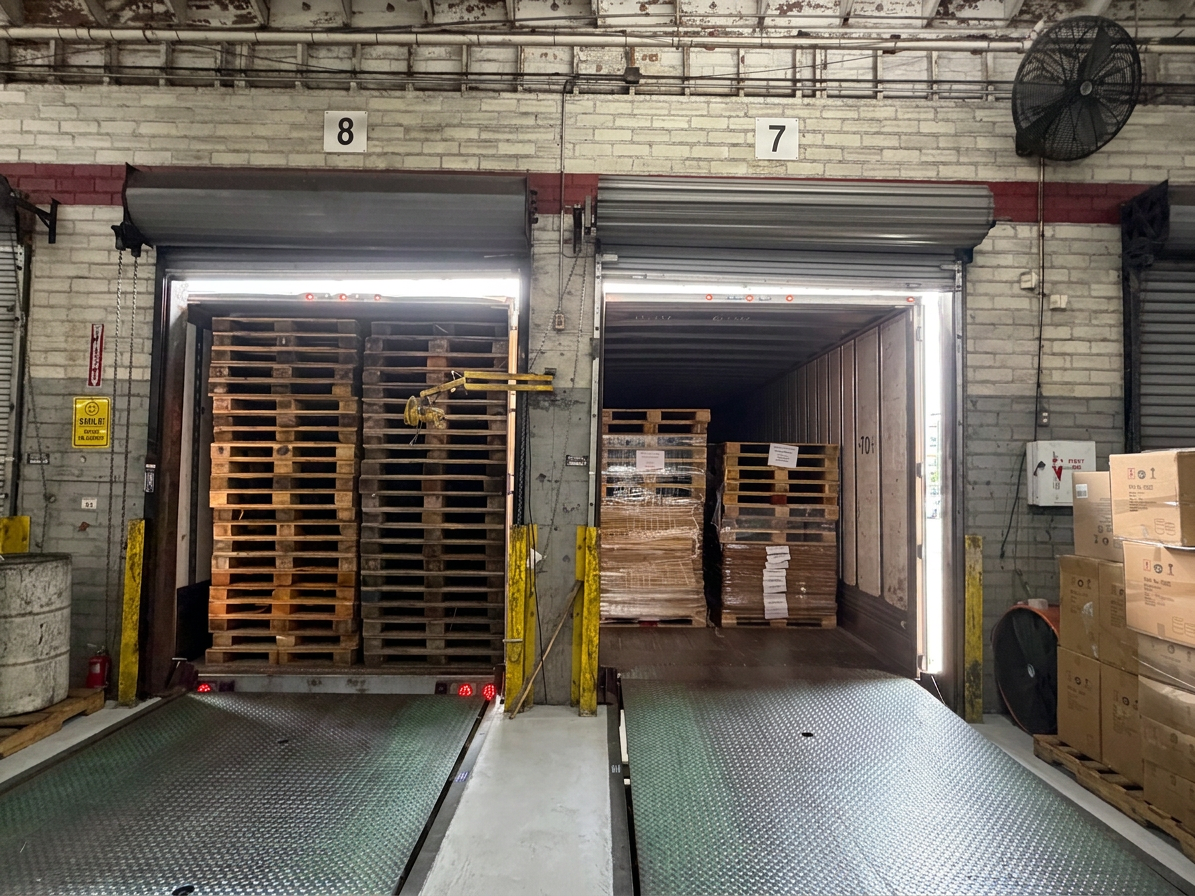
Cross docking moves freight from the inbound truck to the outbound truck without ever putting it away. When the destination is known on arrival, it is the cheapest and fastest way to move volume.
A traditional warehouse flow receives freight, puts it away into a location, holds it, picks it back out, and stages it for shipment. Every one of those steps costs labor and adds a chance to damage or misplace product. Cross docking removes the middle: freight is received at one door, sorted on the dock floor, and loaded out another door, usually within the same shift. The trade-off is that you need to know where the freight is going when it arrives. If you do, cross docking is almost always cheaper and faster than storing it.
Many clients also pair this with Container Unloading LA, Container Unloading Services, and Container Unloading Long Beach Port.
The container or trailer is scheduled to a specific door and time so labor and outbound capacity are ready before it arrives.
Freight is unloaded and counted against the paperwork. Damage and shortages are documented at the door, not discovered later.
Cartons or pallets are sorted on the dock by store, DC, customer, or outbound carrier.
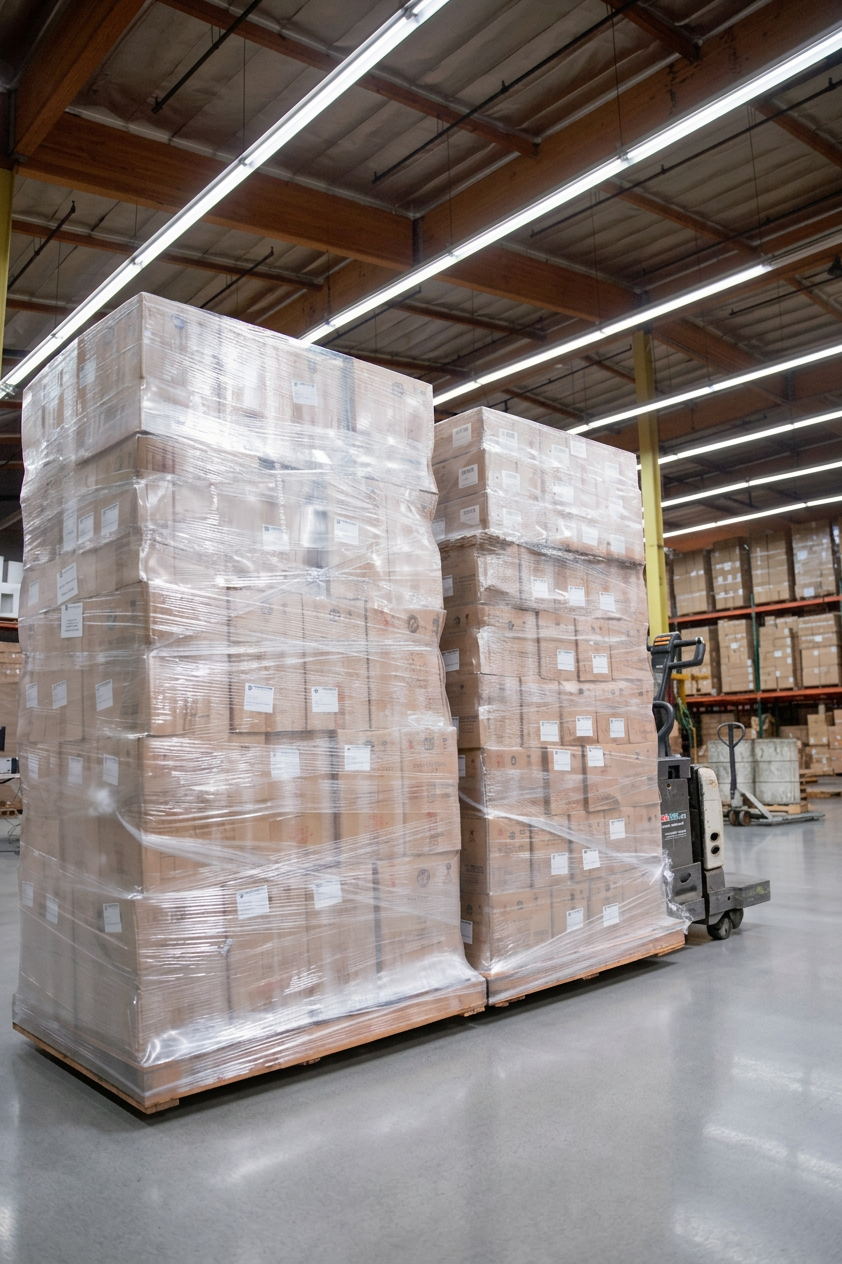
Pallets are restacked to spec, wrapped, and labeled — including UCC-128 carton labels for retail shipments.
Freight is loaded directly onto the outbound trailer for its lane, with ASNs generated from what physically shipped.
BOLs, ASNs, and photos are recorded so the movement is traceable end to end without an inventory record ever opening.
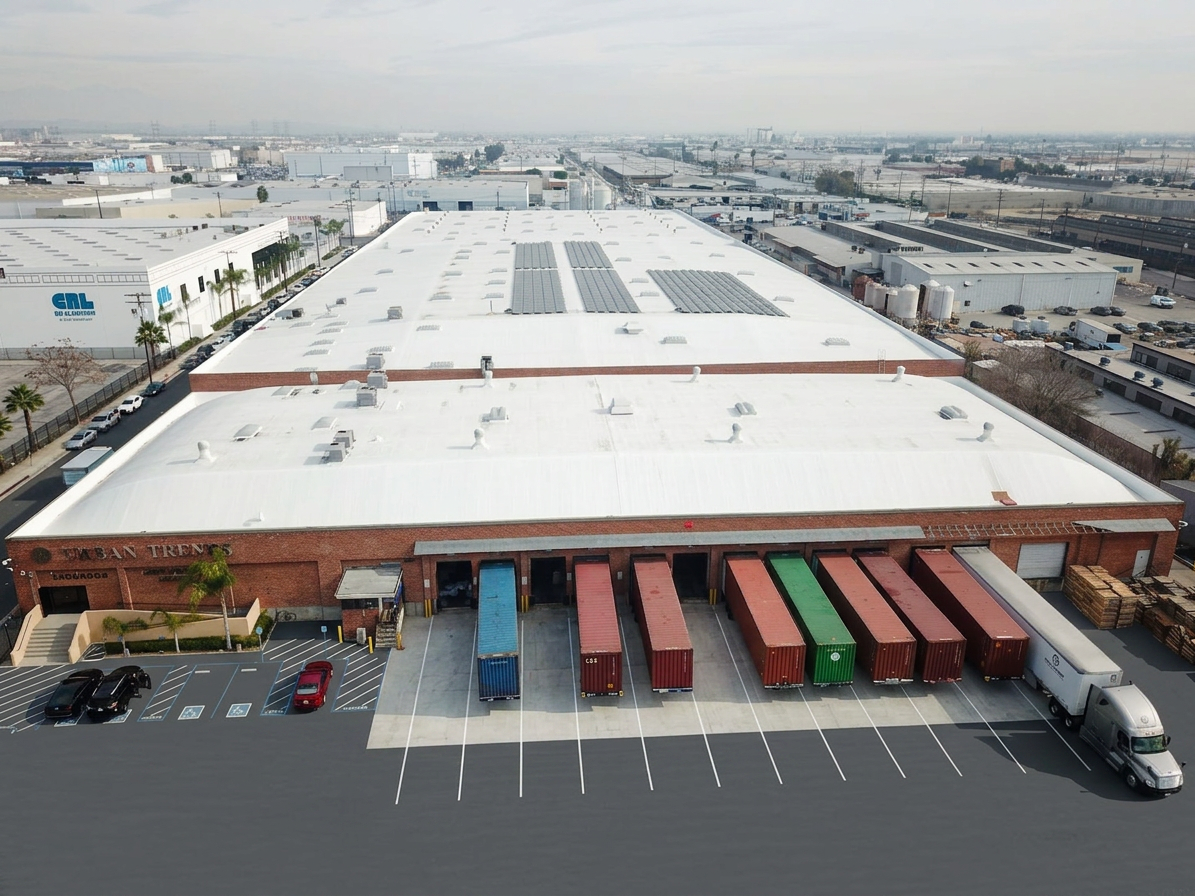
Our Vernon, CA warehouse is just minutes from the Port of Long Beach and Port of Los Angeles — the two busiest container ports in the Western Hemisphere. This location advantage means faster container drayage, lower transportation costs, and quicker time-to-shelf for your products.
Transloading is a mode change: ocean container to domestic trailers, or 40-foot container contents redistributed into 53-foot trailers for a long haul. Cross docking is the broader idea of skipping storage. Warehousing is the opposite — holding inventory so it can be picked by unit over time.
Most brands need all three at different moments. Import volume arrives and transloads. Retail POs cross dock. DTC inventory gets stored and picked. The advantage of doing them in one building is that freight can switch strategies without a second drayage move.
Cross docking is a capacity problem. You need enough dock doors that inbound and outbound can be open at the same time, floor space to sort without blocking traffic, and yard room to stage trailers and containers until their window opens.
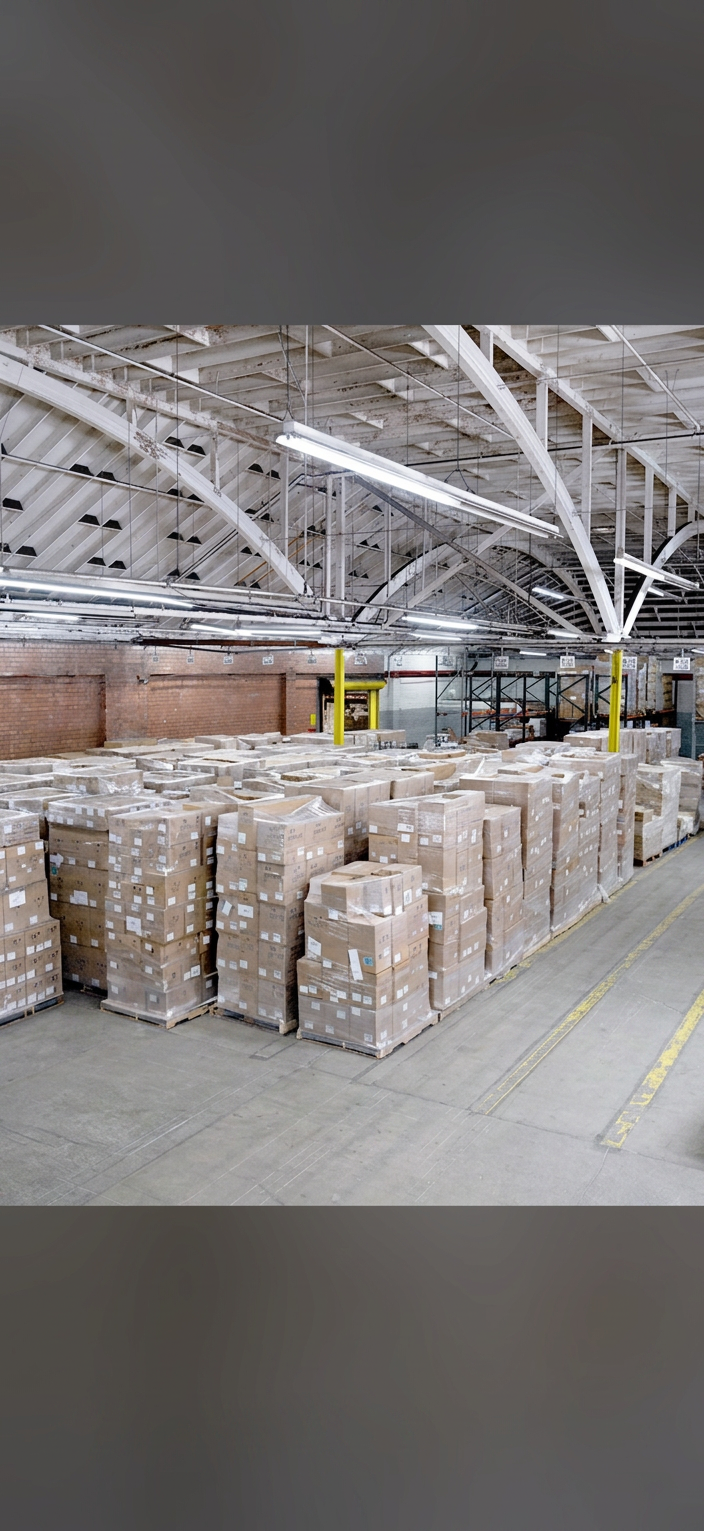
Our Vernon facility runs 21 loading docks, a gated truck yard, and 214,000 square feet of floor, roughly 30 minutes from the Ports of Long Beach and Los Angeles. That combination is what makes a same-day container-to-trailer move realistic rather than aspirational.
If the freight has no confirmed destination, cross docking just turns your dock into expensive storage. The same applies when orders are small and unit-level — you cannot pick a single SKU off a mixed pallet on a busy dock without slowing everything behind it.
The honest answer for most brands is a split: cross dock the known, allocated volume and store the rest. A 3PL that can do both under one roof lets you make that call per shipment instead of per contract.
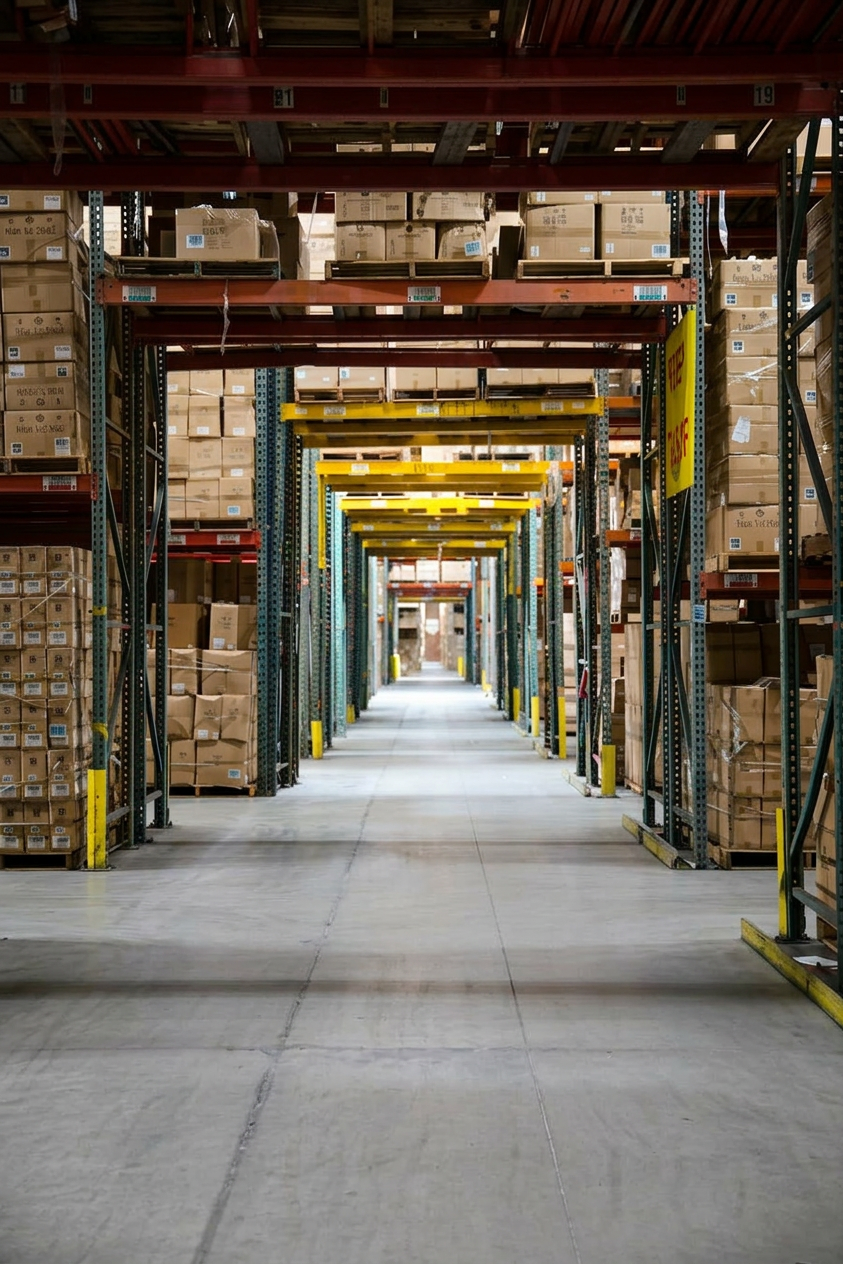
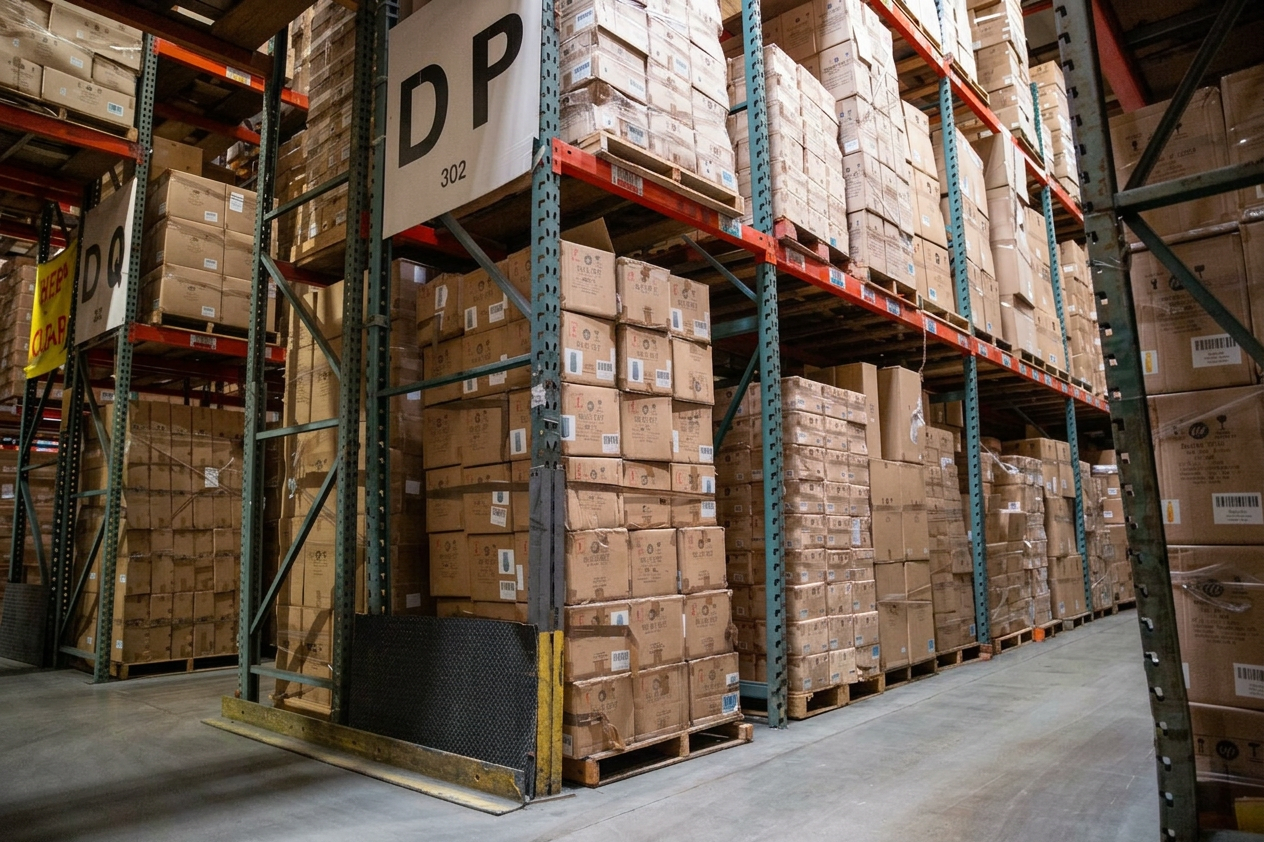
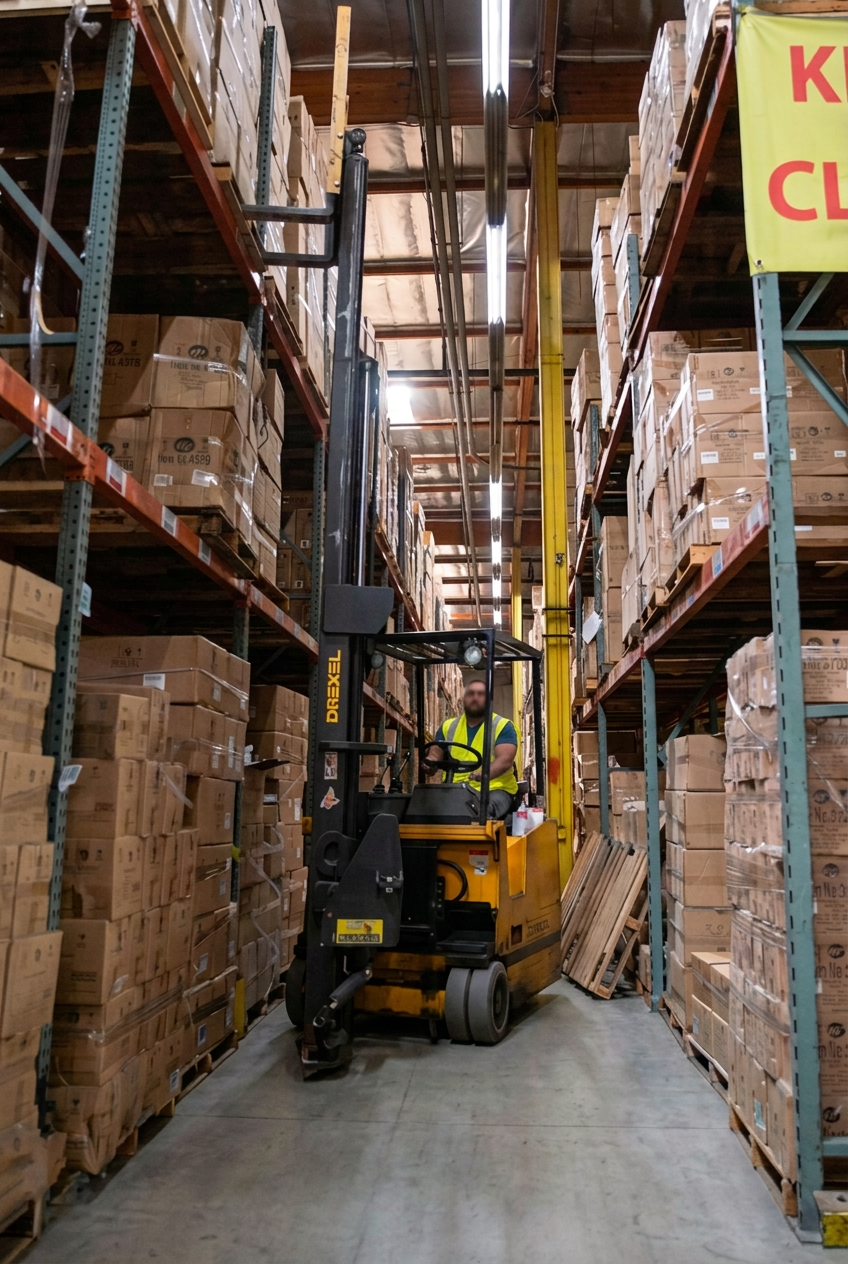
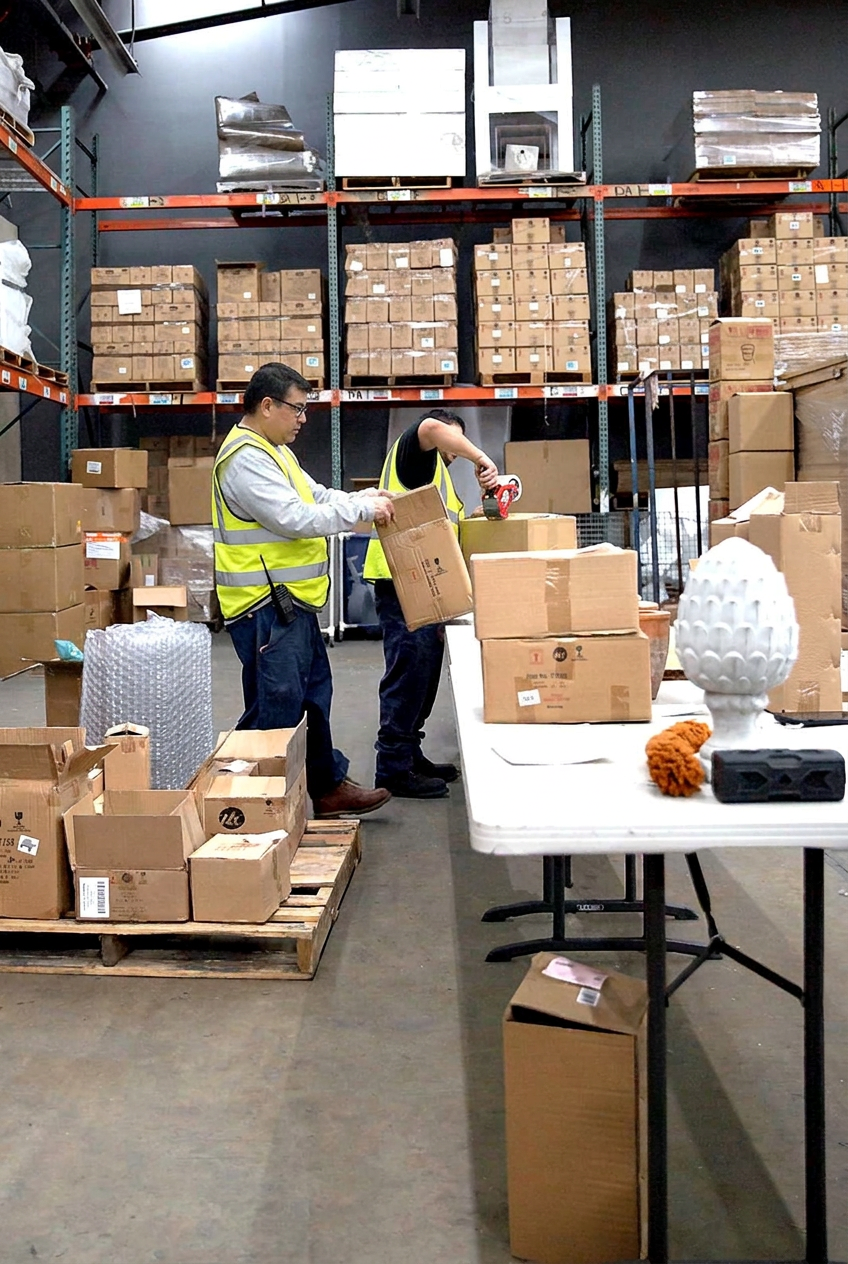
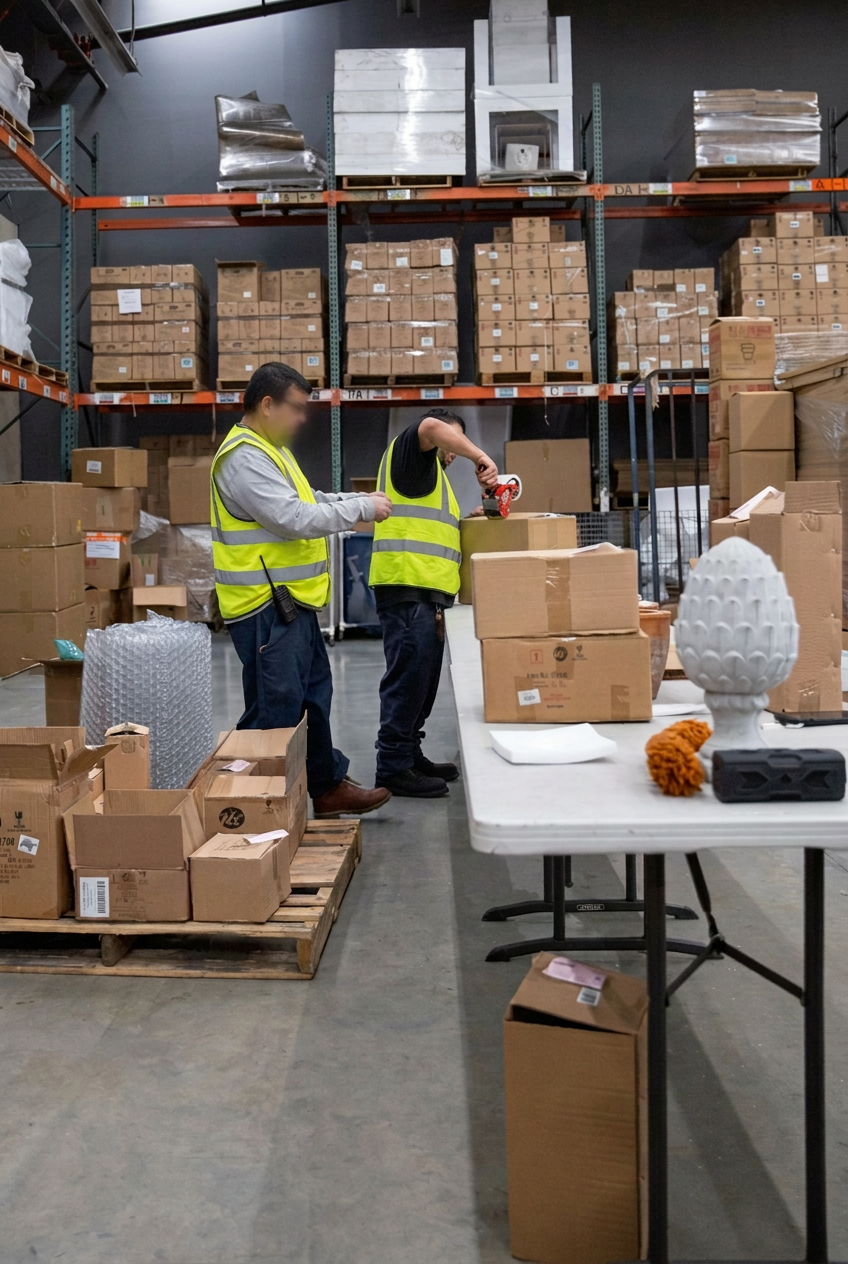
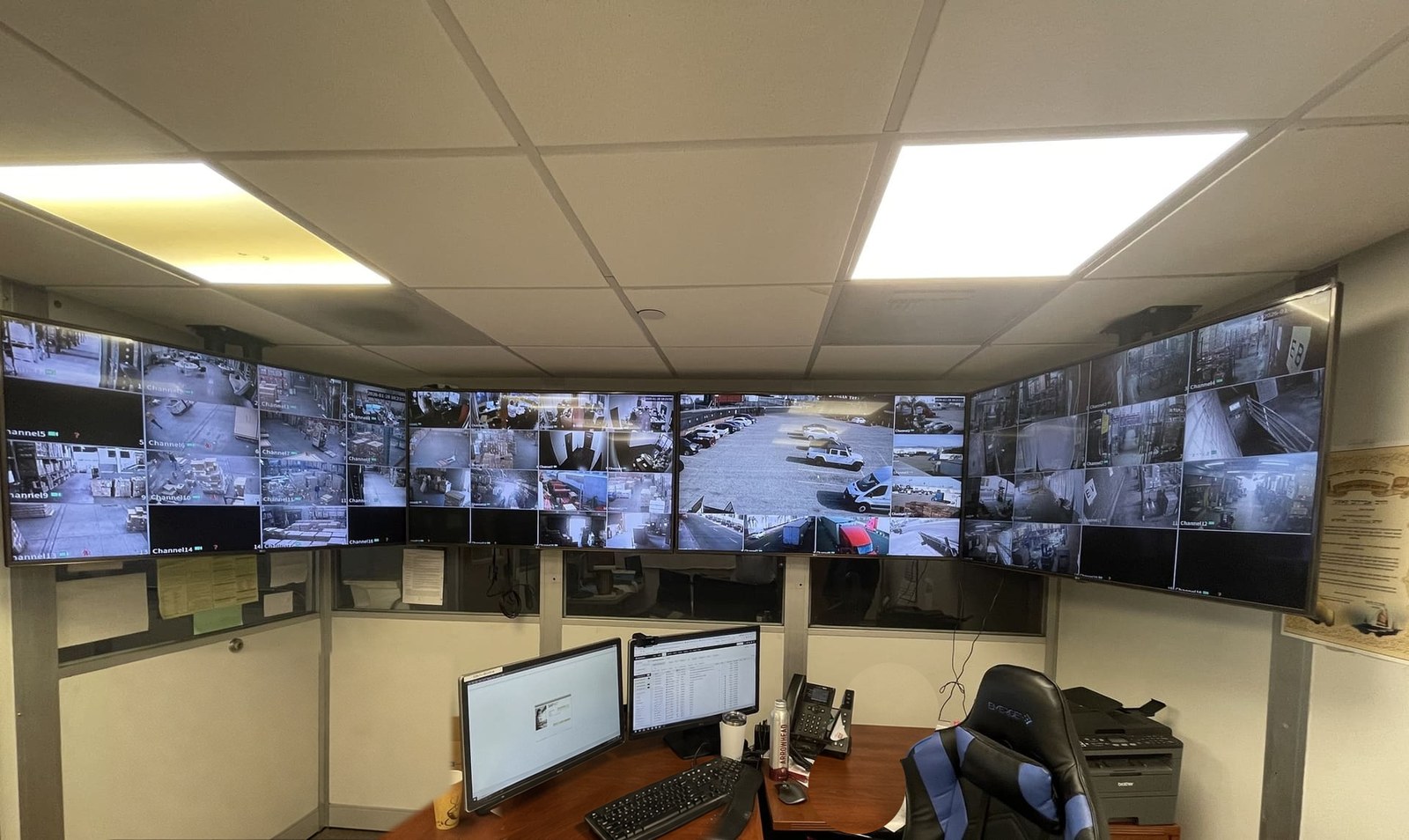
Every photo below is our own building, our own equipment, and our own team — no stock imagery.
Brands that come to Logix for What Is Cross Docking? also explore these high-converting service pages — owner-operated and minutes from the Ports of LA & Long Beach.
Warehousing near Port of LA & LGB — 214,000 sq ft facility.
Vernon, CAShopify, Amazon, Walmart & DTC — pick, pack, ship.
Southern CaliforniaFloor-loaded or palletized — fast turnaround near the ports.
Vernon, CALabeling, carton forwarding, pallet prep & routing compliance.
Los AngelesReduce drayage costs near the Ports of LA & Long Beach.
Vernon, CAStore integration, inventory sync, branded packaging, and returns for DTC brands.
Vernon, CAHand-picked services and locations most relevant to What Is Cross Docking?.
Walk through our 100% owned, solar-powered 3PL facility — pick & pack stations, container bays, racking, and the WMS that runs it all.
One team, one warehouse, every fulfillment need across Los Angeles & Southern California.
Get a custom quote from our team. We'll analyze your fulfillment needs and show you how LOGIX can save you time and money.
Our clients trust us with their fulfillment — and they're not shy about saying so. See what real businesses say about working with LOGIX Fulfillment.