Public / Contract Warehouse
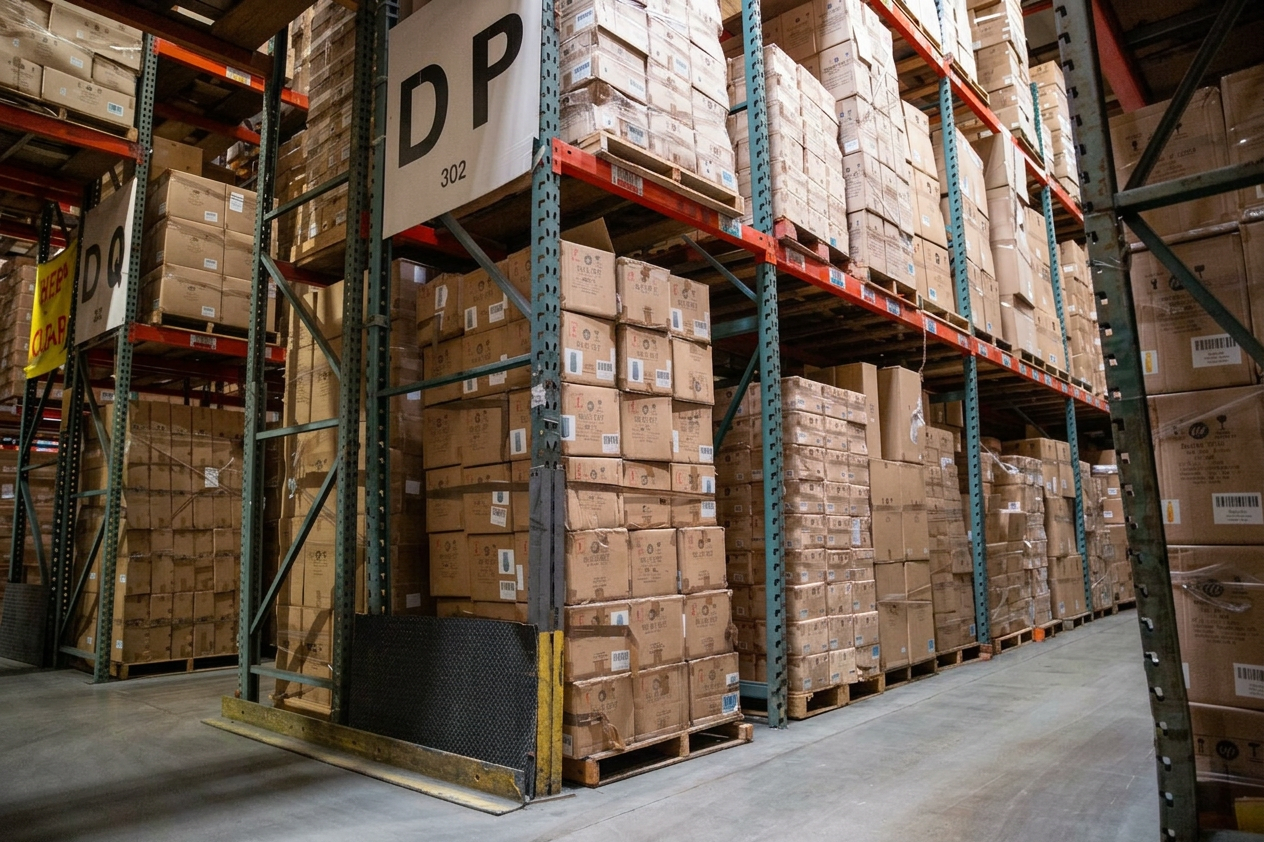
Pallet-in, pallet-out storage billed by space and handling. Good for bulk inventory that moves in full pallets. No order picking, no integrations, no compliance work.
The terms get used interchangeably and they should not be. One rents you space. The other runs the operation that turns that space into shipped orders.
A warehouse sells you square footage or pallet positions. Your goods arrive, sit, and leave on a pallet. Everything else — picking a single unit, packing it, buying a label, labeling cartons for a retailer, generating an ASN, processing a return, telling you what you have left — is yours to solve. A 3PL sells you the operation. The building is included, but what you are actually buying is the receiving team, the pickers, the WMS, the carrier relationships, and someone accountable when a retailer's routing guide changes. Brands that pick the wrong one usually discover it when their first retail PO arrives.
Many clients also pair this with 3PL Los Angeles, Third Party Logistics LA, and Fulfillment Center Los Angeles.
Pallet-in, pallet-out storage billed by space and handling. Good for bulk inventory that moves in full pallets. No order picking, no integrations, no compliance work.
Storage plus execution: receiving, putaway, pick and pack, kitting, retail and marketplace compliance, carrier management, returns, and inventory reporting.
A manager of providers rather than an operator. Coordinates 3PLs and carriers on your behalf, adding oversight and a layer of cost but no facility of its own.
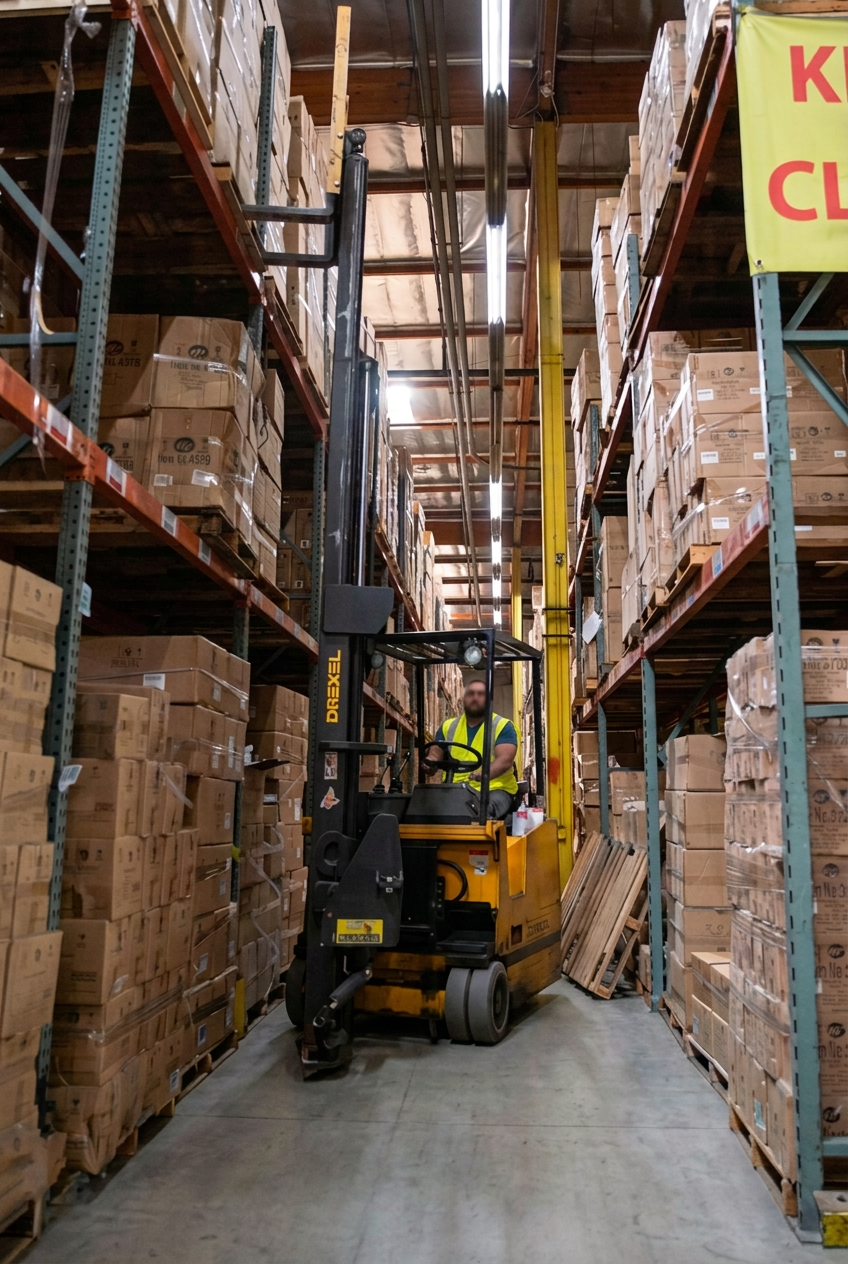
Owns or directly controls the building, racking, forklifts, and team. One accountable party, no hidden subcontracting, and you can walk the floor your goods sit on.
Brokers your fulfillment to partner warehouses. Flexible on geography, but your inventory sits in a building the company you signed with does not operate.
You run your own space and team. Full control, and full responsibility for labor, equipment, software, and carrier negotiation.
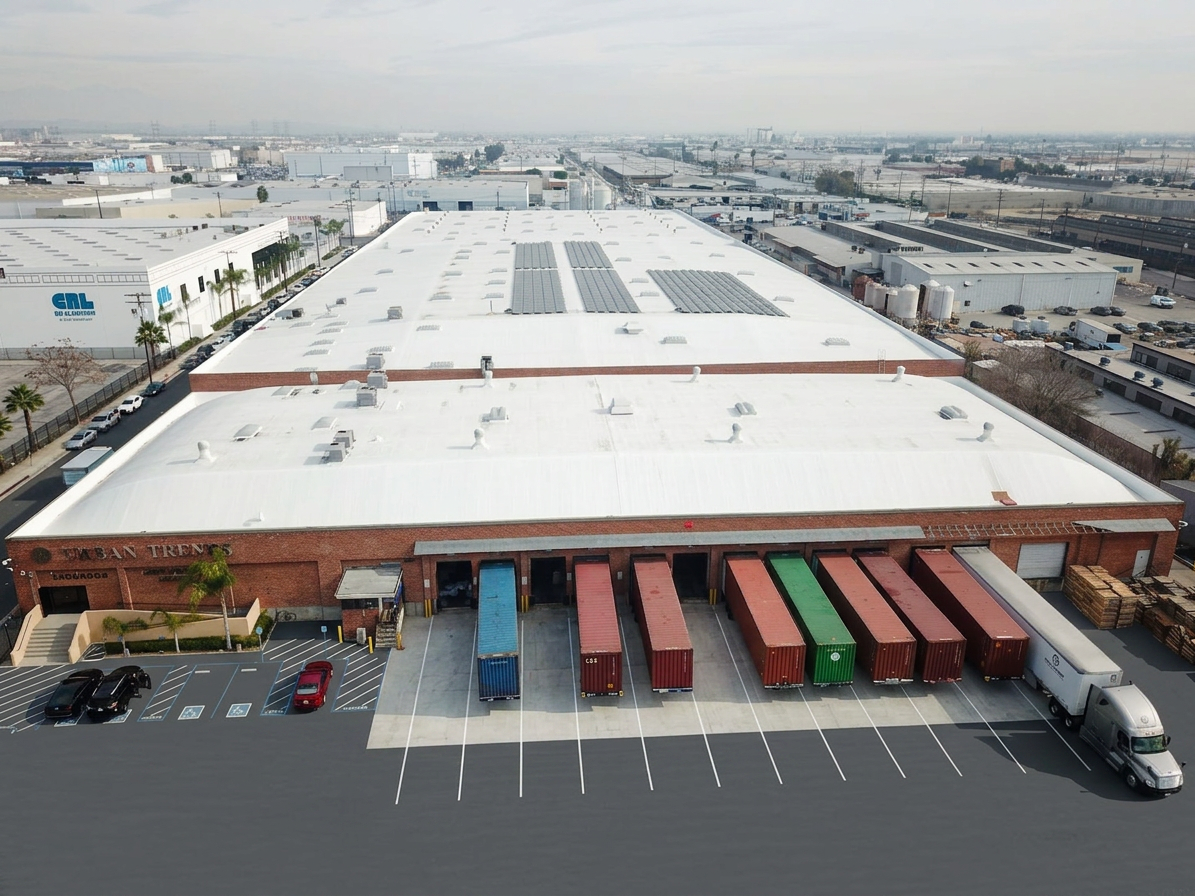
Our Vernon, CA warehouse is just minutes from the Port of Long Beach and Port of Los Angeles — the two busiest container ports in the Western Hemisphere. This location advantage means faster container drayage, lower transportation costs, and quicker time-to-shelf for your products.
Ask what unit of work leaves the building. If it is a pallet going to a known destination, a warehouse can serve you. If it is an order — a box to a consumer, an FBA shipment, a retail PO with a routing guide — you need a 3PL, because everything between the pallet and the box is labor and software you would otherwise buy yourself.
The second test is integrations. If you need your store, marketplace, or ERP to push orders and receive tracking automatically, that is 3PL territory. Warehouses generally exchange spreadsheets.
Plenty of companies call themselves 3PLs while subcontracting the physical work. That is not automatically bad, but it means the people touching your product do not work for the company you signed with, and escalations travel through a middle layer.
Ask directly: do you own or lease this building, does my inventory stay here, and can I tour the floor where it will sit? Clear answers to those three questions tell you more than a capabilities deck.
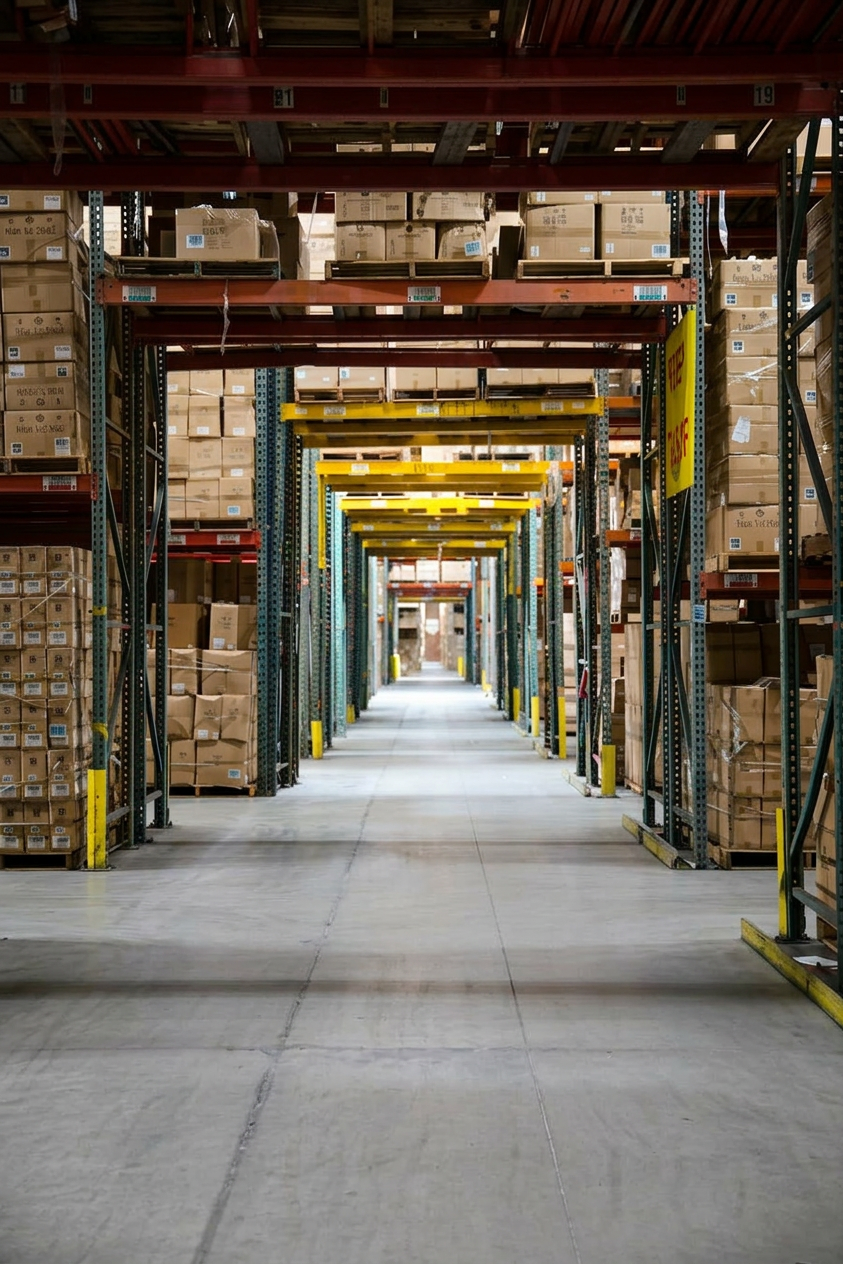
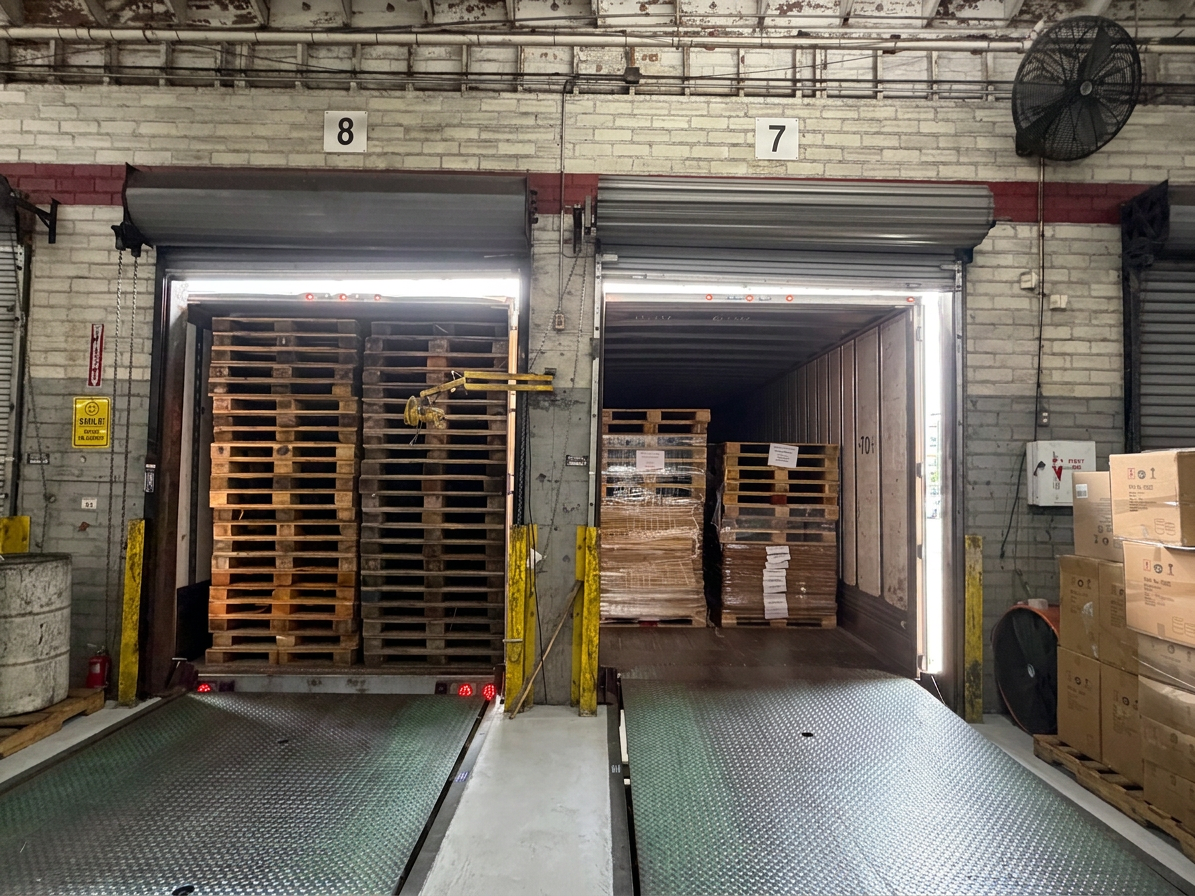
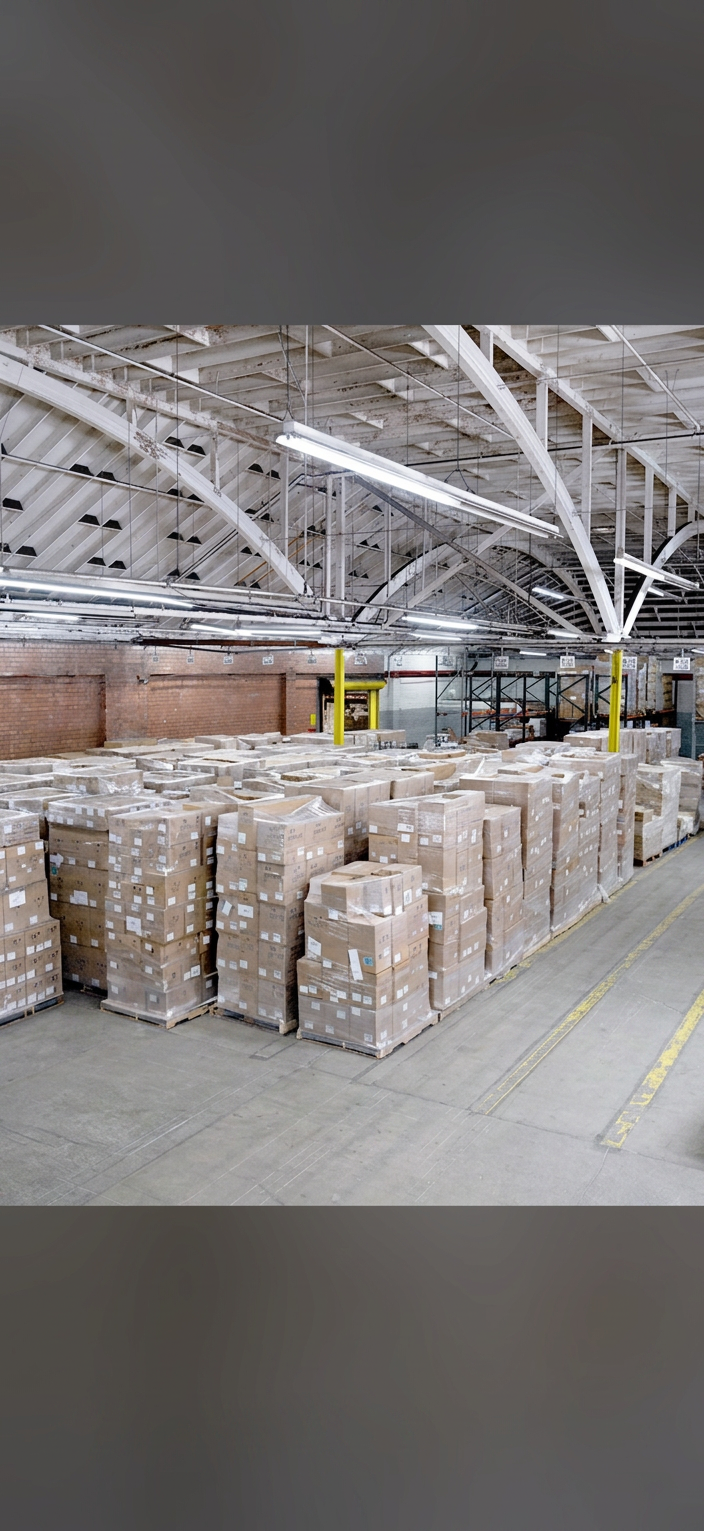
We are an owner-operated, asset-based 3PL in a 214,000 sq ft facility at 2652 E. 45th Street in Vernon, CA — 21 loading docks, 11,000 pallet positions, a gated truck yard, and roughly 30 minutes from the Ports of Long Beach and Los Angeles.
That means bulk pallet storage and order-level fulfillment share the same roof and the same inventory pool, so freight never has to move between vendors as your mix shifts between retail, marketplace, and DTC.
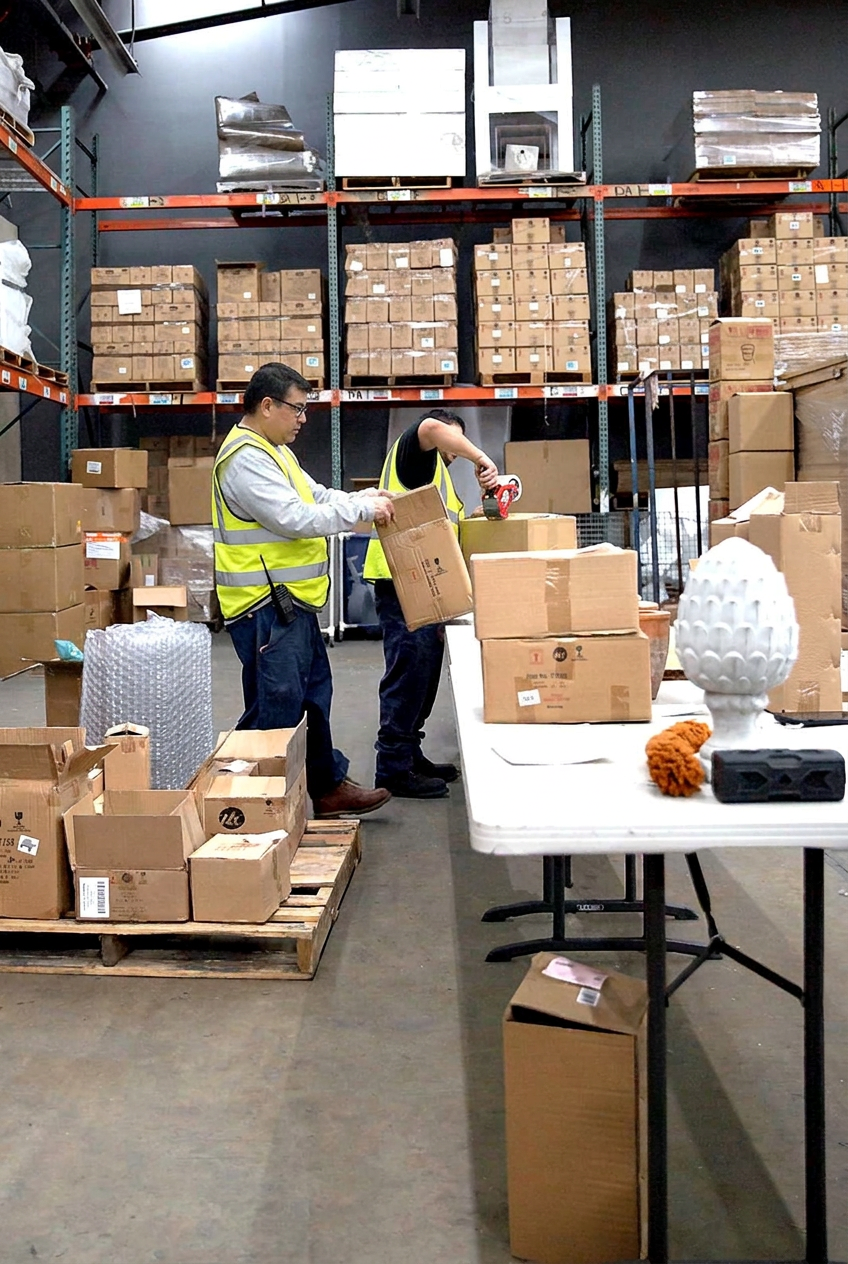
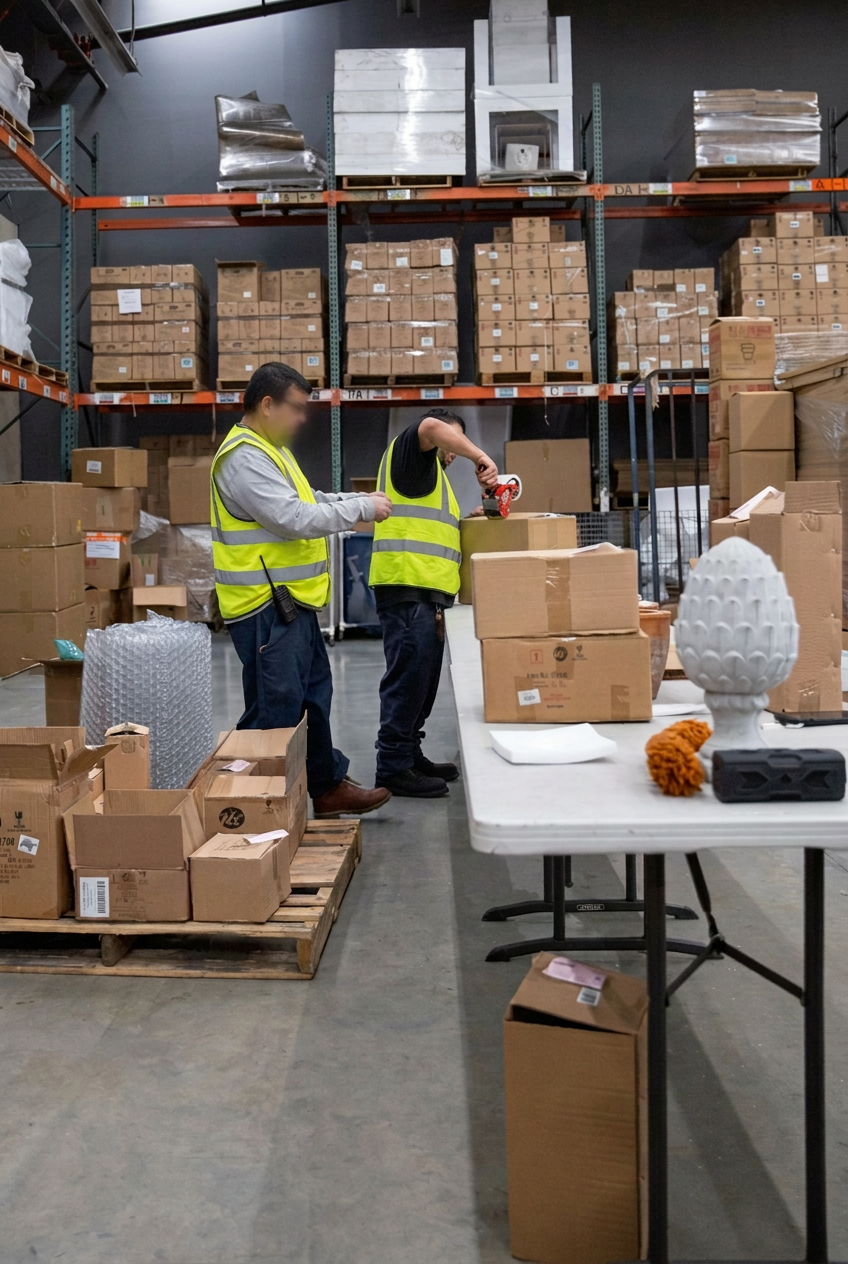
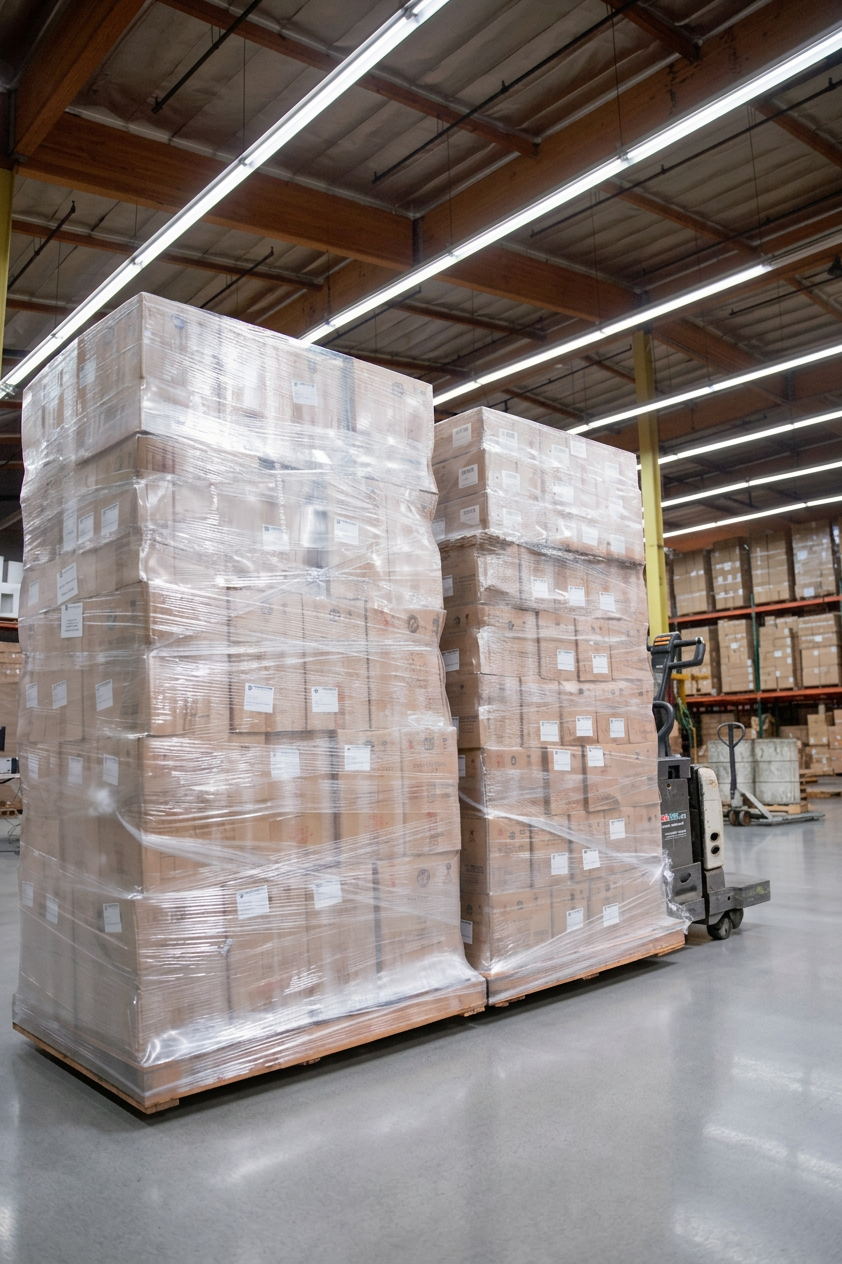
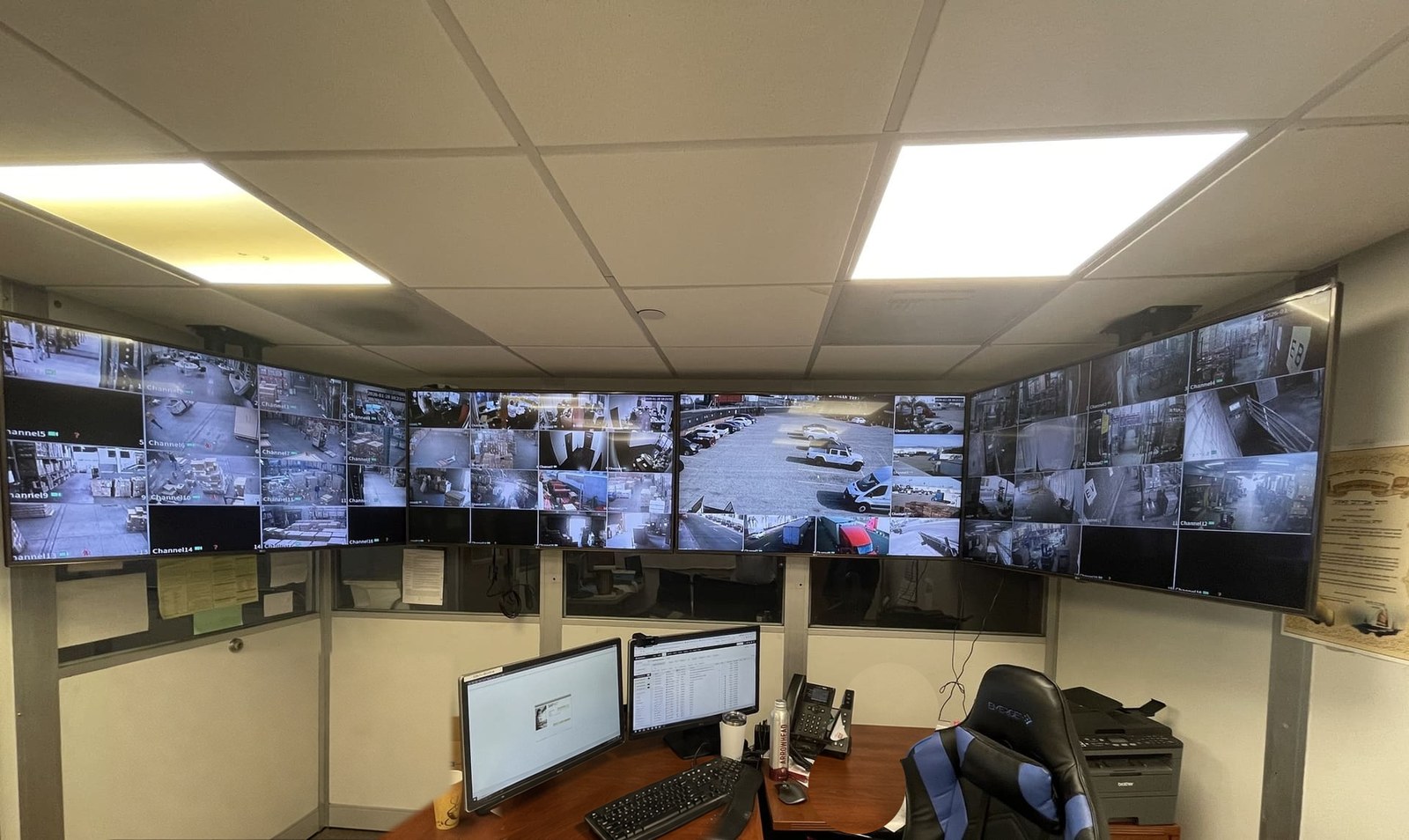
Every photo below is our own building, our own equipment, and our own team — no stock imagery.
Brands that come to Logix for 3PL vs Warehouse also explore these high-converting service pages — owner-operated and minutes from the Ports of LA & Long Beach.
Warehousing near Port of LA & LGB — 214,000 sq ft facility.
Vernon, CAShopify, Amazon, Walmart & DTC — pick, pack, ship.
Southern CaliforniaFloor-loaded or palletized — fast turnaround near the ports.
Vernon, CALabeling, carton forwarding, pallet prep & routing compliance.
Los AngelesReduce drayage costs near the Ports of LA & Long Beach.
Vernon, CAStore integration, inventory sync, branded packaging, and returns for DTC brands.
Vernon, CAHand-picked services and locations most relevant to 3PL vs Warehouse.
Walk through our 100% owned, solar-powered 3PL facility — pick & pack stations, container bays, racking, and the WMS that runs it all.
One team, one warehouse, every fulfillment need across Los Angeles & Southern California.
Get a custom quote from our team. We'll analyze your fulfillment needs and show you how LOGIX can save you time and money.
Our clients trust us with their fulfillment — and they're not shy about saying so. See what real businesses say about working with LOGIX Fulfillment.