Shipping fragile items is one of the biggest challenges in ecommerce fulfillment. Glass, ceramics, electronics, and delicate products require specialized packaging to survive the rigors of carrier handling — drops, stacking, vibration, and temperature changes. A single broken item costs you the product, shipping both ways, a replacement shipment, and often a negative review. This guide covers proven packaging strategies that minimize damage rates to under 1%.
The Six-Sided Protection Rule
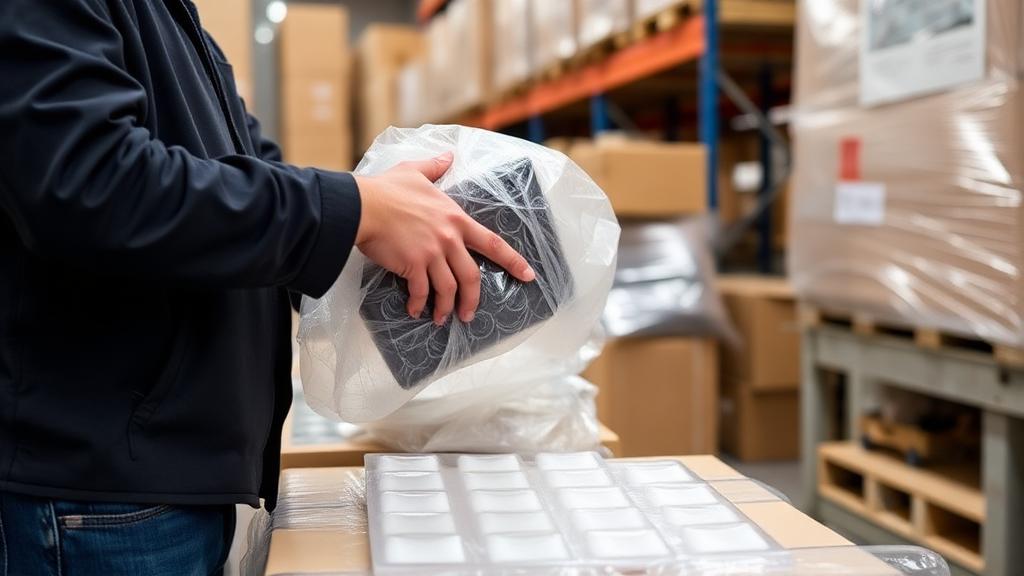
Every fragile item needs protection on all six sides — top, bottom, front, back, left, and right. This means a minimum of 2 inches of cushioning material between the product and every wall of the shipping box. Common cushioning materials include: bubble wrap (best for irregularly shaped items), foam sheets (excellent for flat items like framed art), air pillows (lightweight, good void fill), molded pulp inserts (eco-friendly, custom-fit), and packing peanuts (effective but messy — biodegradable versions available).
Box Selection Matters
The box itself is your first line of defense. Use new, rigid corrugated boxes — never reused boxes with weakened walls. The box should be appropriately sized: large enough for adequate cushioning but not so large that items shift during transit. Double-walled corrugated boxes provide significantly more crush resistance for heavy or extremely fragile items. For high-value fragile products, consider box-in-box packaging — placing the cushioned inner box inside a larger outer box with additional void fill.
Carrier-Specific Considerations
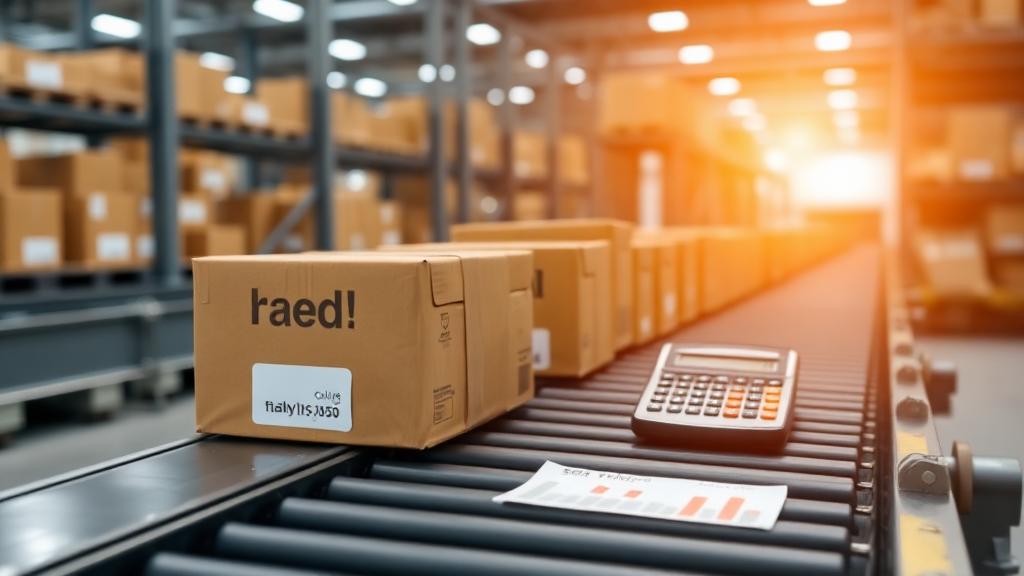
Each carrier handles packages differently. UPS and FedEx use automated sorting with conveyor belts and drops of 3-4 feet. USPS packages may be handled more roughly in some facilities. Mark packages 'FRAGILE' — while not guaranteed to change handling, it can help. More importantly, design your packaging to survive a 4-foot drop test on all sides and corners. At Logix, our pick-and-pack team is trained on fragile item packaging protocols specific to each carrier's handling characteristics.
Damage Prevention for Specific Product Types
Glass & Ceramics: Individual wrap each piece, separate pieces with dividers, use rigid box with corner protection. **Electronics
When Damage Happens: Claims & Recovery
Despite best practices, some damage is inevitable. Prepare by: documenting your packaging process with photos, purchasing carrier-declared value or third-party shipping insurance for higher-value items, filing damage claims promptly with full documentation, and analyzing damage patterns to identify packaging improvements. A professional 3PL in Los Angeles handles claims on your behalf and continuously refines packaging to reduce damage rates. Contact Logix to discuss your fragile product fulfillment needs.