When most brands shop for a 3PL in Los Angeles, they assume the company they're talking to actually owns and operates the warehouse their inventory will live in. In 2026, that assumption is wrong more often than it's right. The 3PL industry has quietly bifurcated into two very different business models — true 3PLs that own real estate and employ their own labor, and asset-light 3PLs that broker space and labor from someone else. The pricing looks similar on a quote. The service experience is not.
This guide breaks down the difference, why it matters for accuracy, pricing, and accountability, and what questions to ask before you sign a contract. We'll also explain why Logix is a 100% owner-operated 3PL and what that means for the brands and importers we serve.
What Is a True 3PL?
A true 3PL owns or holds a long-term lease on the warehouse, employs the warehouse team directly, runs its own WMS, and is the legal operator of record for the building. When you call your account manager, the forklift driver picking your order is a W-2 employee of the same company. The dock door, the racking, the scanners, and the labor all sit under one roof of accountability. There is one phone number, one invoice, one SLA, and one company that owns every step of the inbound-to-outbound chain.
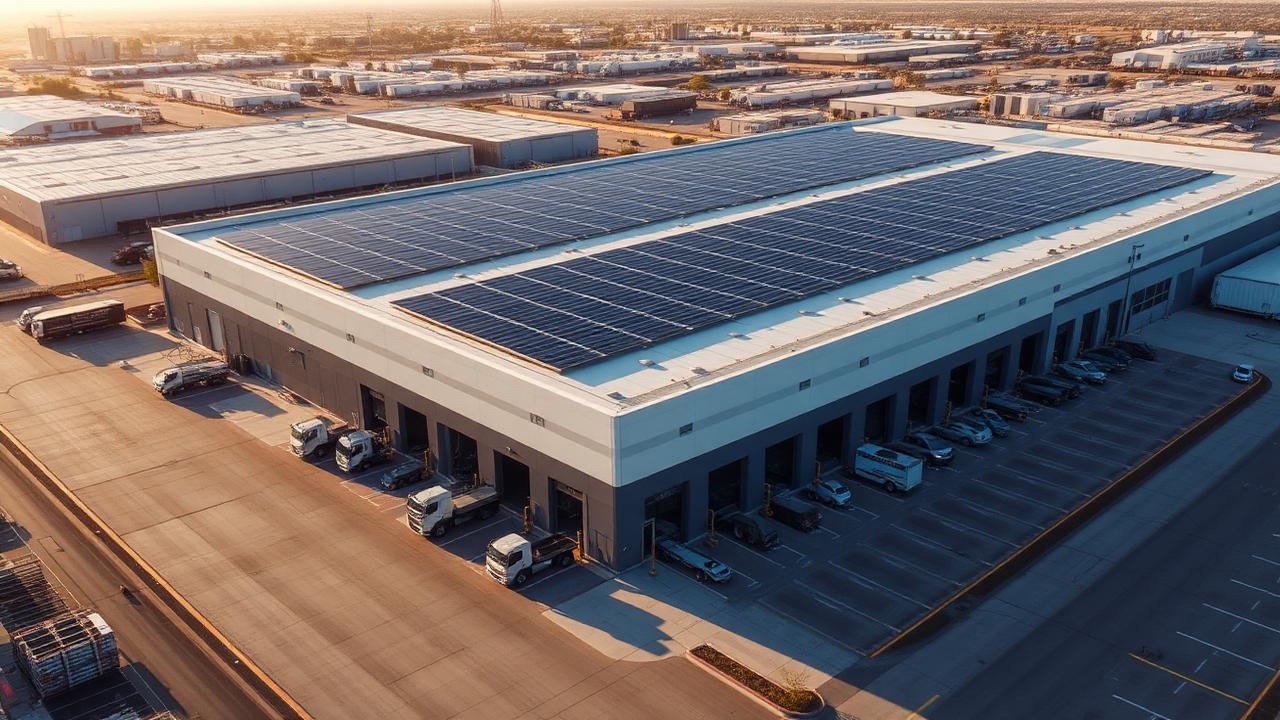
Logix runs this model. Our 214,000 sq ft Vernon, CA warehouse is owner-operated. We employ our pickers, packers, receivers, and account managers directly. Our WMS, dock scheduling, and customer support are all in-house. There is no broker between you and the people touching your inventory.
What Is an Asset-Light 3PL?
An asset-light 3PL is, at its core, a sales and software layer over someone else's warehouse and someone else's labor. The company that signs your contract typically does not own the building, does not employ the warehouse team, and in many cases is not even physically on site. Inventory is placed in a partner facility (often a sublease, a shared multi-tenant warehouse, or a network of third-party operators), and the asset-light 3PL coordinates orders through a software portal.
This model has real advantages — geographic flexibility, fast network expansion, and a lower capital base. But it also introduces structural problems that show up in your accuracy reports, your invoices, and your peak-season experience.
Why Warehouse Ownership Matters
**1. One accountable phone number.** When something goes wrong — a missed cutoff, a damaged pallet, a shorted SKU — a true 3PL owns the problem end-to-end. With an asset-light model, your account manager has to escalate to the partner facility, which has its own priorities, its own staffing, and its own SLAs. The handoff is where accountability dies.
**2. Consistent labor and accuracy.** A directly employed warehouse team that's been trained on your SKUs, your packing standards, and your retailer compliance rules consistently outperforms a rotating crew at a partner site. Pick accuracy, packing quality, and retailer chargeback rates all correlate strongly with labor stability — and labor stability requires that the 3PL actually employs the people doing the work.
**3. Transparent pricing.** A true 3PL bills you for what it actually costs to run the building. An asset-light 3PL bills you for what it costs them to buy the service from a partner facility, plus a margin on top. The math is rarely in your favor at scale.
**4. Capacity guarantees in peak.** When Q4 hits and capacity tightens across the LA basin, a true 3PL controls its own building and can prioritize its own customers. An asset-light 3PL is competing with every other client of the partner facility for the same dock doors and the same labor pool — and they're not the partner's customer of record. Brands routinely get bumped during peak under this model.
**5. Real WMS, not a portal layer.** A true 3PL runs its WMS as the single source of truth for the building. An asset-light 3PL often runs a customer-facing portal that pulls data from the partner's WMS via integration. That extra layer is where inventory discrepancies, order routing errors, and reporting delays come from.
How to Tell the Difference Before You Sign
Asset-light 3PLs are not always upfront about their model. Here are the questions that surface it quickly:
**1. Do you own or lease the warehouse — and is the lease in your company's name?** If the answer involves a partner, network, or affiliate, you're talking to an asset-light 3PL.
**2. Are the warehouse workers W-2 employees of your company?** Temp labor, staffing agencies, or partner-employed crews are red flags for accuracy and stability.
**3. Whose WMS will my inventory live in?** If the WMS belongs to a partner facility and you're seeing data through a portal, you've added a layer between you and your inventory.
**4. Can I tour the actual facility my inventory will be stored in?** A true 3PL will book the tour for the same week. An asset-light 3PL often has scheduling friction here because the building isn't theirs.
**5. Who is on the contract if something goes wrong — you, or the partner facility?** The legal operator of record is the only entity you can actually hold accountable.
Where Asset-Light Models Make Sense
To be fair: asset-light 3PLs aren't always the wrong answer. If you need fast multi-node distribution across 5–10 US regions and you're early enough that volume per node is small, an asset-light network can be a reasonable bridge. The problems show up when you scale, when peak season hits, when retailer compliance gets strict, or when accuracy starts mattering more than network reach. At that point, most brands consolidate into a true 3PL in a strategic location like LA — and accept slightly longer transit to gain accuracy, pricing, and accountability.
Why Importers and Freight Forwarders Especially Care
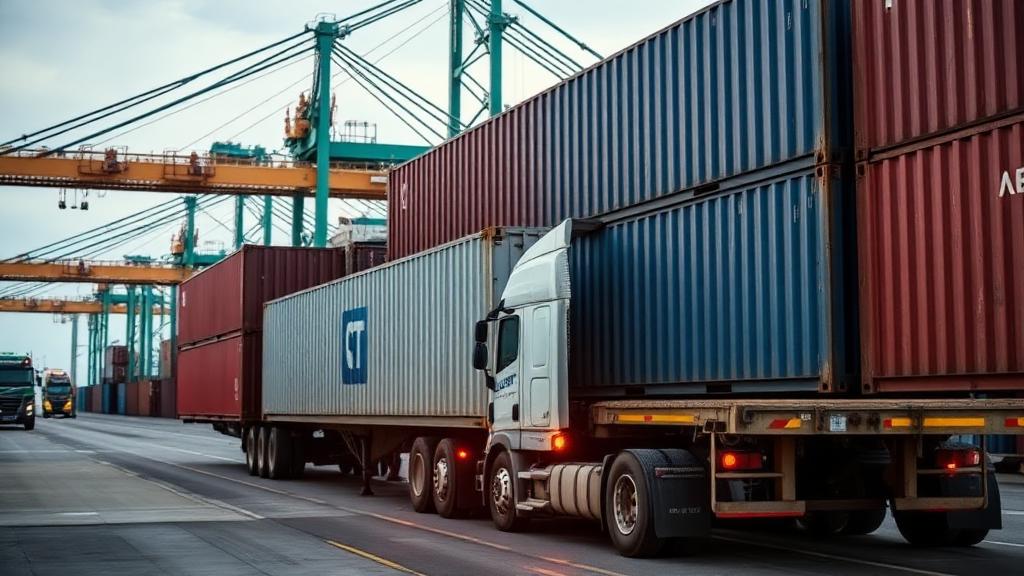
If you import containers through the Port of Long Beach or Port of LA, the true vs asset-light distinction is even sharper. Container devanning, transloading, and same-day cross-docking require dock doors, trained labor, and dispatch coordination that all sit under one roof. An asset-light 3PL coordinating drayage, devanning, and outbound across multiple partner facilities can't compress those steps into a 24-hour pipeline. A true 3PL with a building under 10 miles from POLB can. Freight forwarders route to Logix specifically for this reason.
What Logix's True 3PL Model Looks Like in Practice
We own and operate a 214,000 sq ft solar-powered warehouse in Vernon, CA — 30 minutes from POLB, 30 minutes from POLA, and inside the densest distribution corridor on the West Coast. Our pickers, packers, receivers, and account managers are W-2 employees. Our WMS is the single source of truth for the building. Pricing is itemized and transparent. There is one phone number, one invoice, and one accountable team across receiving, storage, pick-and-pack, retail compliance, and outbound. Brands get a dedicated account manager who sits in the same building as their inventory. That's what owning the warehouse makes possible.
The Bottom Line
Asset-light 3PLs sell network. True 3PLs sell accountability. Both have a place in the market, but if accuracy, pricing transparency, retailer compliance, and peak-season capacity matter to your brand, the question of whether your 3PL actually owns the warehouse is the most important question on the RFP. Get a free quote from a warehouse owner, not a broker and we'll show you exactly what owner-operated 3PL service looks like at our Vernon, CA facility.