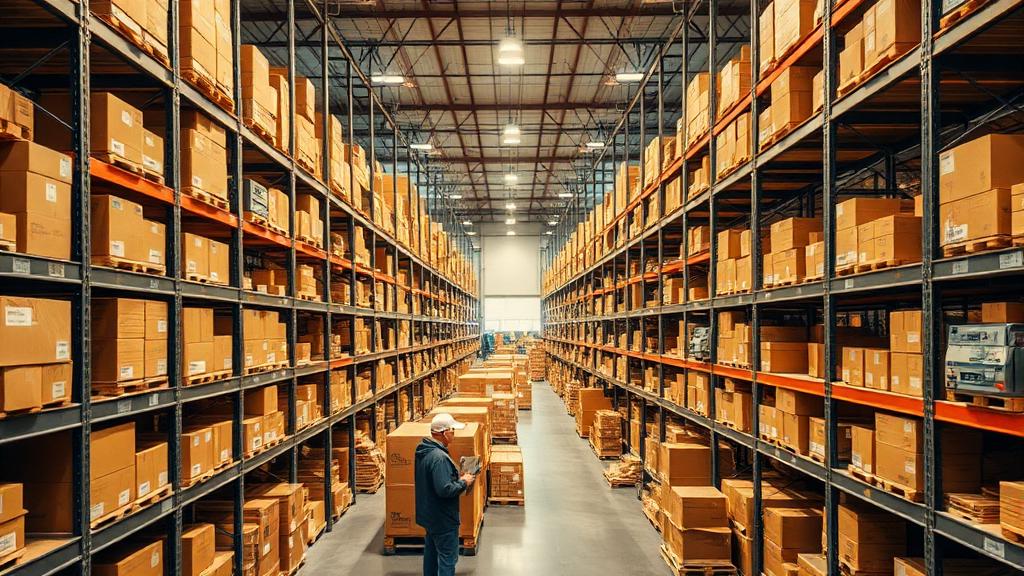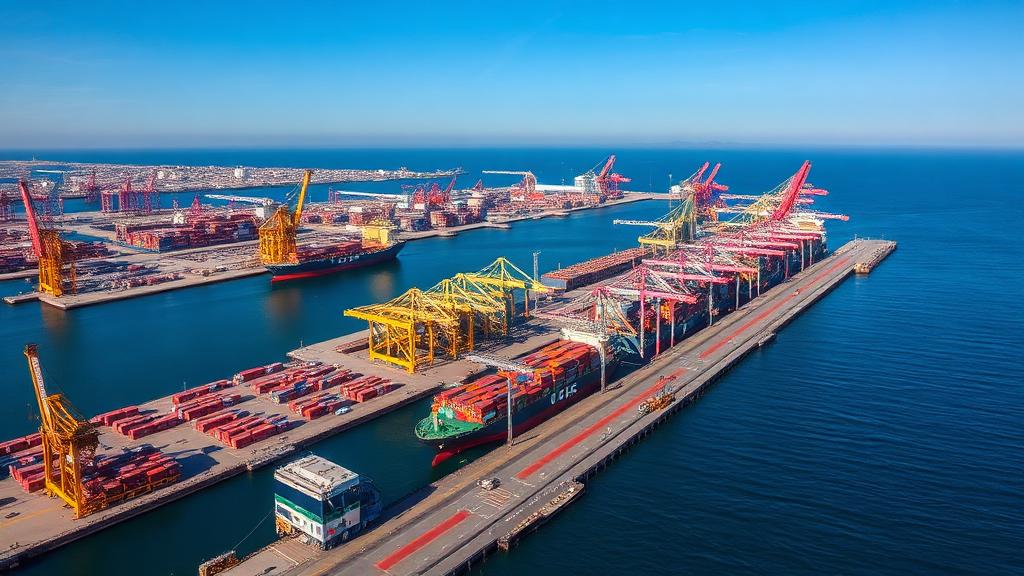
The San Pedro Bay port complex — Los Angeles and Long Beach combined — handles the largest share of US containerized imports. For West Coast importers, port fluidity is not an abstract macro topic: it is the difference between a container clearing to your warehouse inside free time and a four-figure demurrage invoice you did not budget.
The Four Metrics That Actually Predict Your Cost
Ignore headline TEU volume. The metrics that determine whether your container costs you money are:
- **Vessel dwell at anchor:** how long a ship waits before berthing.
- **Container dwell on terminal:** how long your box sits after discharge before pickup.
- **Appointment availability:** whether your drayage carrier can actually book a slot in the window before free time expires.
- **Chassis availability and street dwell:** whether there is equipment under the box when the appointment comes up.
Any one of these can be fine while another quietly kills your schedule. Chassis scarcity in particular has repeatedly caused demurrage even in periods with no vessel queue at all.
Free Time, Demurrage, and Per Diem — Know Which Clock Is Running
Importers routinely conflate three different charges:
Demurrage: charged by the terminal for a container that stays on terminal past the allotted free days.
Detention (per diem): charged by the ocean carrier for keeping their container out in the street past the allowed days after pickup.
Chassis rental: charged by the chassis provider for equipment days, separate from both of the above.
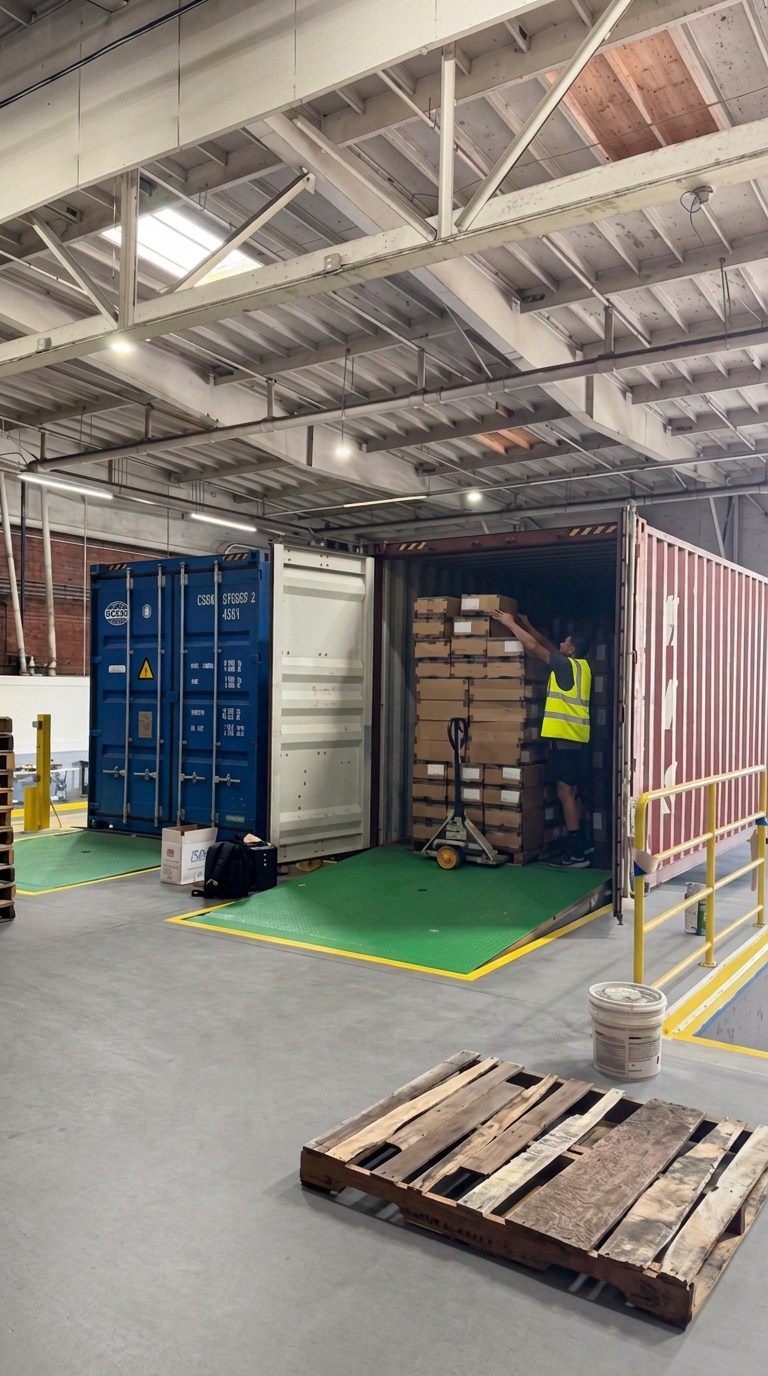
A container can accrue all three simultaneously. The single most effective way to avoid that stack is to have a receiving facility close to the terminal with dock capacity available on short notice — so the box gets picked, delivered, stripped, and returned inside the same or next day.
Why Live Unload vs Drop-and-Pick Matters More Than the Rate
Drayage quotes look comparable on paper, but the operational model behind them is not. A live unload requires the driver to wait while your warehouse strips the container — if the warehouse cannot start immediately, you pay driver detention and burn the driver's remaining turns. A drop-and-pick lets the driver leave the chassis and container at the facility and return later, but requires the warehouse to have yard space and available chassis parking.
A 3PL with a large gated yard and dedicated devanning crews can support both models. That flexibility is worth more than a $50 difference in the drayage rate when the terminal is running tight.
Transloading as a Congestion Hedge
Transloading — stripping ocean containers and reloading the freight into 53-foot domestic trailers — is the standard hedge against port-driven per diem exposure. The ocean container gets returned to the terminal quickly, stopping the carrier's clock, while your freight moves inland on domestic equipment at better cube utilization. For importers moving to Midwest or East Coast DCs, transloading near the port routinely beats shipping the ocean box inland intact.
Peak Season Planning: The Window Is Earlier Than You Think
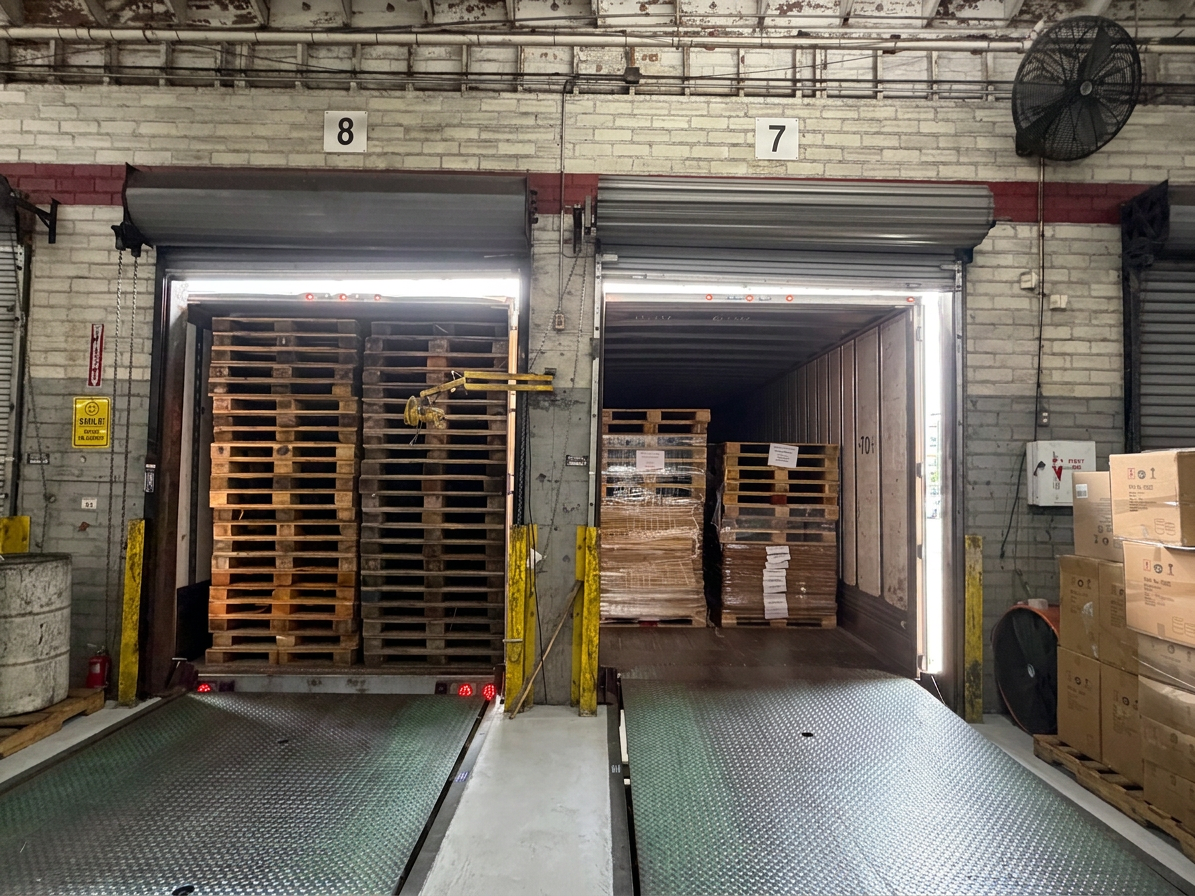
Holiday inventory that needs to be on the shelf in November should be arriving at the port in August and September. Every year, a portion of importers compress their bookings into October and then discover that terminal appointments, drayage capacity, and warehouse receiving slots are all simultaneously scarce. Book warehouse receiving capacity when you book the vessel, not when the vessel arrives.
An Operational Checklist That Reduces Port Risk
1. Get your ISF filed on time — late filings create holds that consume free time you cannot get back.
2. Confirm your customs broker clears before vessel discharge, not after.
3. Give your 3PL the container numbers, ETAs, and free-time expiry dates as soon as you have them.
4. Ask your warehouse for an inbound appointment before the vessel berths.
5. Prefer a receiving facility inside 20 miles of the terminal — driver turns per shift is the real lever on drayage cost.
6. For high-cube or fast-moving SKUs, evaluate transloading rather than an inland ocean-container move.
Logix Fulfillment sits roughly 30 minutes from both the Port of Long Beach and the Port of Los Angeles, with 21 loading docks, a gated truck yard, and dedicated container devanning crews. We schedule inbound containers around your free-time expiry, not around our convenience. See our container unloading services or request a quote.