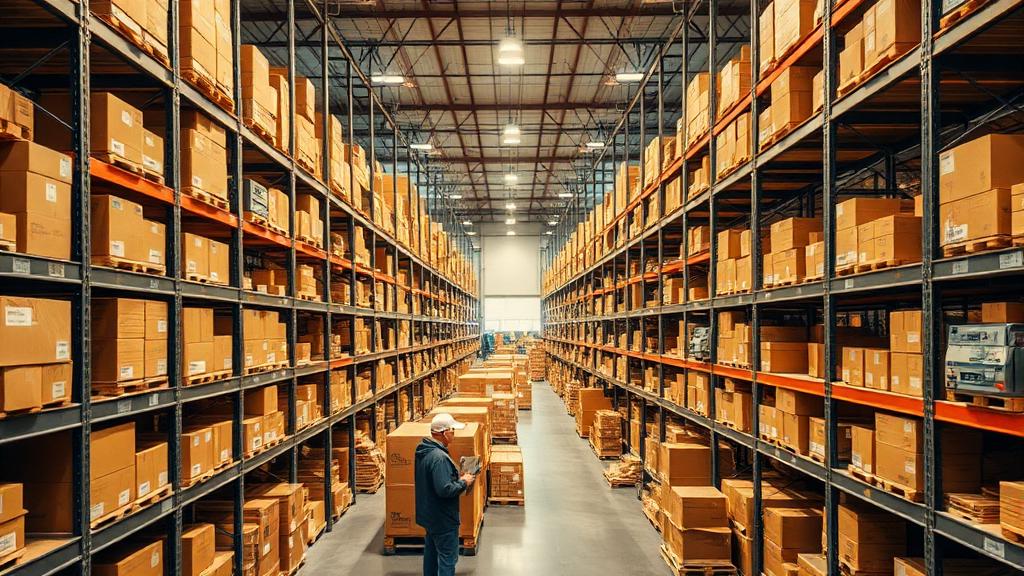
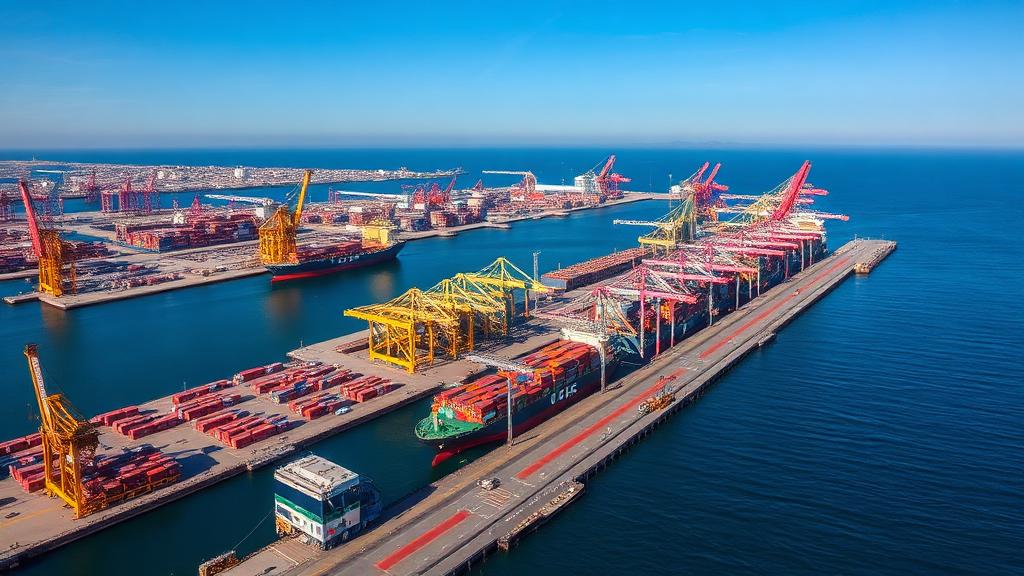
Freight cost is rarely one number. For a West Coast importer running e-commerce and retail channels, it is five separate markets that move independently: ocean, drayage, domestic truckload, LTL, and parcel. Budgeting as if they move together is how brands get surprised.
Ocean: Plan for Volatility, Not a Direction
Transpacific spot rates have proven repeatedly that they respond to capacity discipline, canal routing disruptions, and geopolitical events faster than any forecast can capture. The practical response is structural rather than predictive: split volume between contract and spot rather than committing everything to either, keep a secondary carrier or NVOCC qualified before you need them, and build enough inventory buffer that a two-week schedule slip does not become a stockout.
Drayage: The Cost Is Distance and Turns, Not the Line-Haul Rate
Drayage pricing follows driver productivity. A carrier serving a warehouse 15–20 miles from the terminal can complete two or three container turns per shift. The same driver serving a facility 60–90 miles inland completes one. Everything else — fuel surcharge, chassis split, congestion fees, pre-pull, yard storage — layers on top of that basic productivity math. When importers compare warehouse locations purely on rent per square foot, this is the line item they miss.
Parcel: GRIs Compound, and DIM Is the Real Tax
Annual general rate increases from the major parcel carriers have averaged mid-single digits, but the effective increase most shippers experience is higher because surcharges — residential delivery, delivery area, peak season, additional handling, oversize — increase faster than base rates and apply to a growing share of shipments.
Dimensional weight is where most e-commerce brands are quietly overpaying. If your billed weight consistently exceeds actual weight, you are shipping air. Three fixes that pay back immediately:
- **Right-size cartons.** A carton library tuned to your actual SKU dimensions typically cuts DIM overage more than any rate negotiation.
- **Use poly mailers where the product allows.** Soft-pack removes DIM exposure entirely for apparel and soft goods.
- **Cartonization logic in the WMS.** Letting the system pick the optimal box per order beats packer judgment at scale.
LTL: Classification and Density Pricing
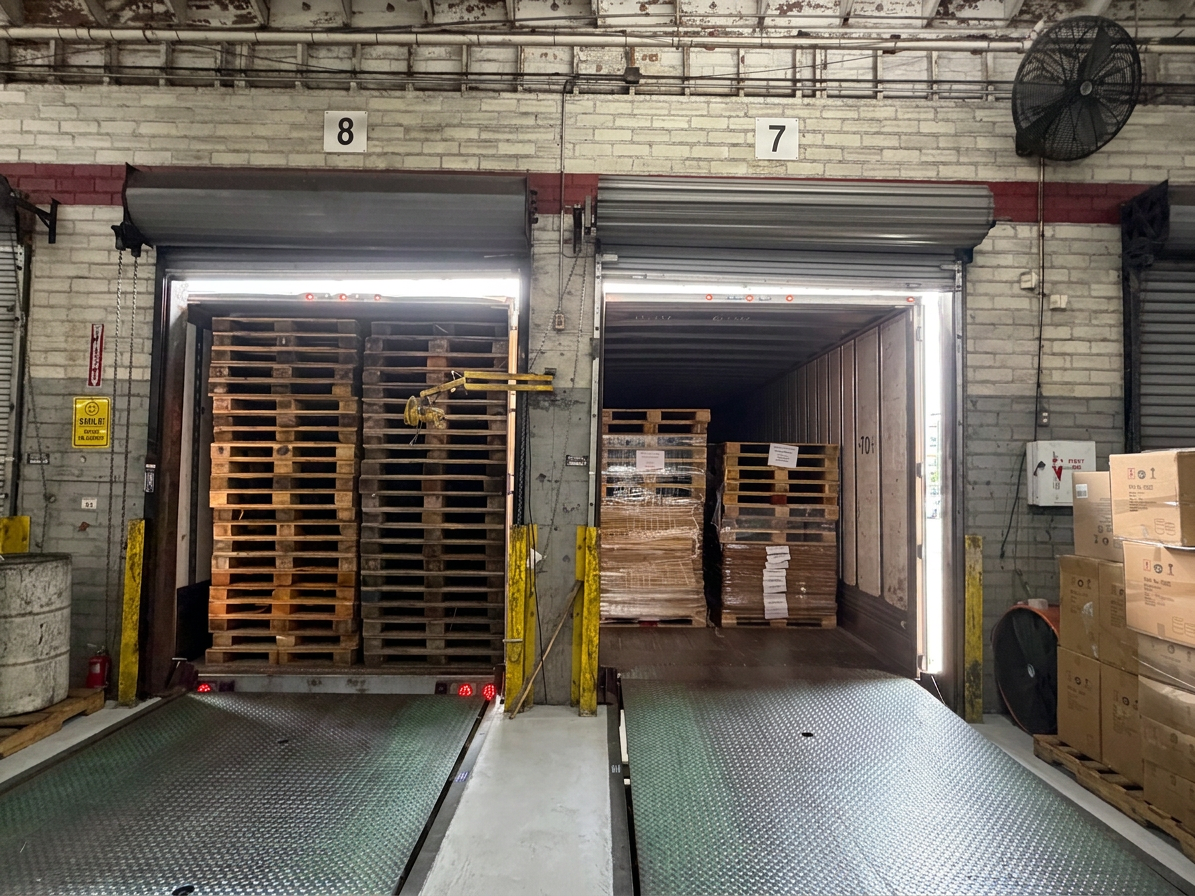
The freight classification system has been moving toward density-based pricing, which rewards shippers who palletize tightly and accurately declare dimensions, and penalizes those who ship loosely stacked or misdeclared freight. Reweigh and reclass charges are one of the most common unbudgeted LTL costs. Accurate pallet dimensions and weights at the point of shipment — captured by the warehouse, not estimated by the shipper — eliminate most of that exposure.
Truckload and Drayage Capacity
Domestic truckload capacity has cycled through a prolonged soft market and a subsequent tightening as marginal carriers exited. For importers, the practical implication is that the cheapest spot broker quote is the least reliable one during any capacity squeeze. Relationships with asset-based carriers and a 3PL with integrated transportation resources are worth more in a tight market than in a loose one — which is exactly when you cannot build them from scratch.
Where a 3PL Actually Changes the Math
A 3PL affects freight cost in four concrete ways, none of which are about markup:
1. **Aggregated parcel volume** produces carrier rates a single mid-size brand cannot negotiate alone.
2. **Zone position.** Shipping from a Vernon, CA warehouse reaches a large share of West Coast consumers in one to two day ground transit.
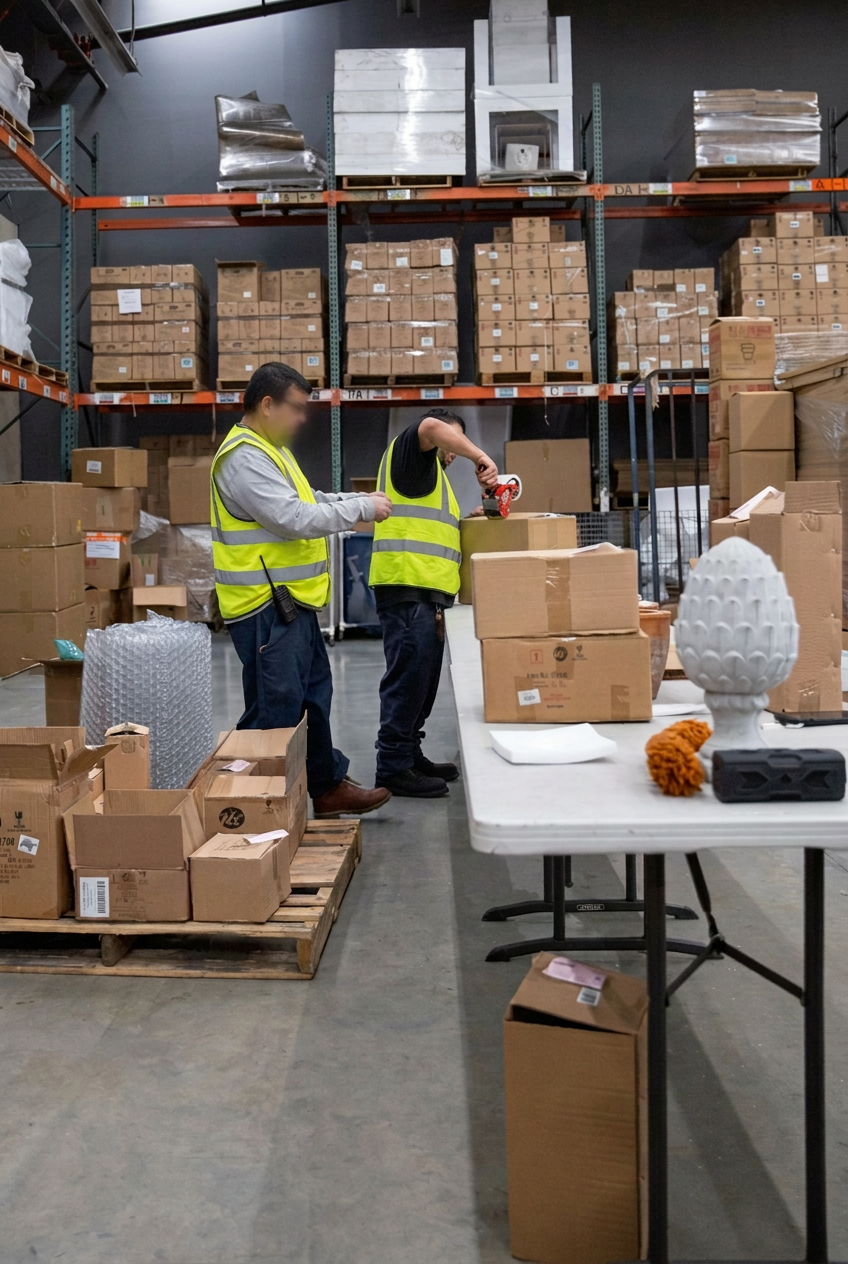
3. **Cartonization and packing discipline** reduce DIM overage on every order, permanently.
4. **Proximity to the port** compresses drayage cost on every inbound container.
Logix Fulfillment combines a 214,000 sq ft owner-operated warehouse in Vernon, CA with integrated transportation resources through our affiliated trucking relationships — inbound drayage, transloading, outbound LTL and truckload, and multi-carrier parcel, coordinated under one roof. Request a quote to model your freight stack against your current setup.