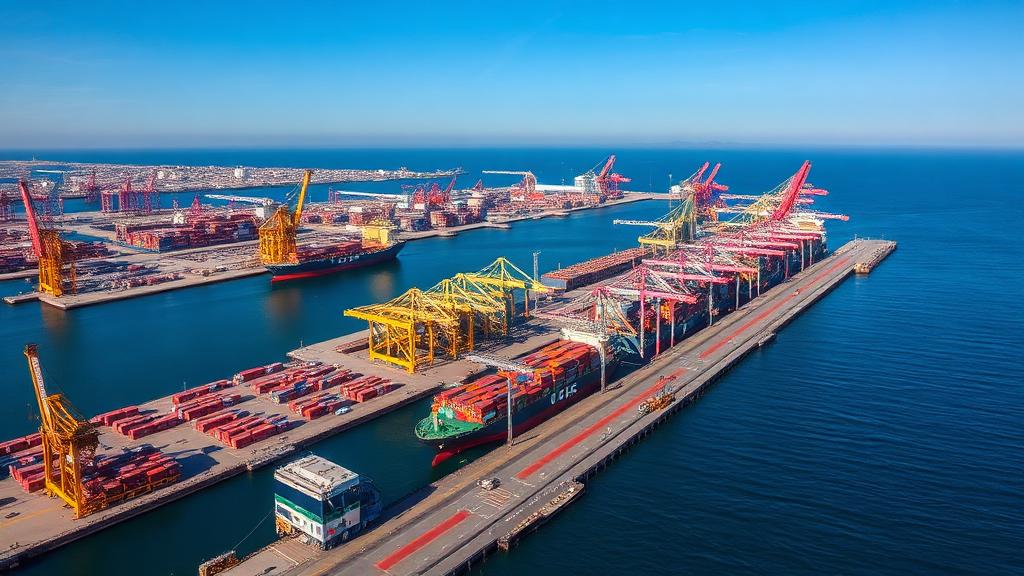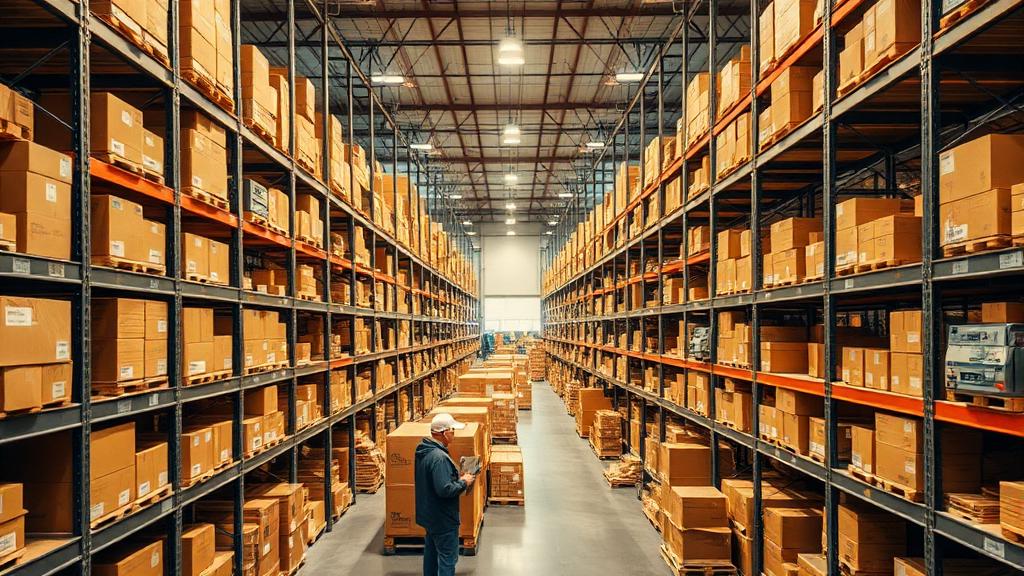
The Southern California industrial market has spent the last two years unwinding the pandemic-era squeeze. For importers and e-commerce brands deciding between leasing their own space and partnering with a 3PL, the mid-2026 picture matters: vacancy has normalized, sublease space is still working through the system, and the close-in LA submarkets behave very differently from the Inland Empire.
Vacancy: Normalized, Not Loose
Across the Los Angeles basin, availability has climbed off the historic sub-1% lows of 2022 into a range that landlords describe as balanced and tenants describe as finally negotiable. The distinction that matters is submarket-level:
- **Vernon, Commerce, Huntington Park:** tightest in the region. Older Class B/C stock, small footprints, almost no new construction because there is no developable land.
- **South Bay / Carson / Compton:** tight, port-driven, heavily competed for by drayage and transload operators.
- **Inland Empire West (Ontario, Fontana):** meaningfully looser, driven by large-format Class A deliveries.
- **Inland Empire East (Moreno Valley, Perris, Beaumont):** the softest part of the market, with the largest blocks and the most concessions.
The practical read: if you need 500,000 sq ft of storage, you have leverage. If you need 20,000–80,000 sq ft close to the ports, you do not.
Asking Rents Are Down From Peak — But Not Everywhere
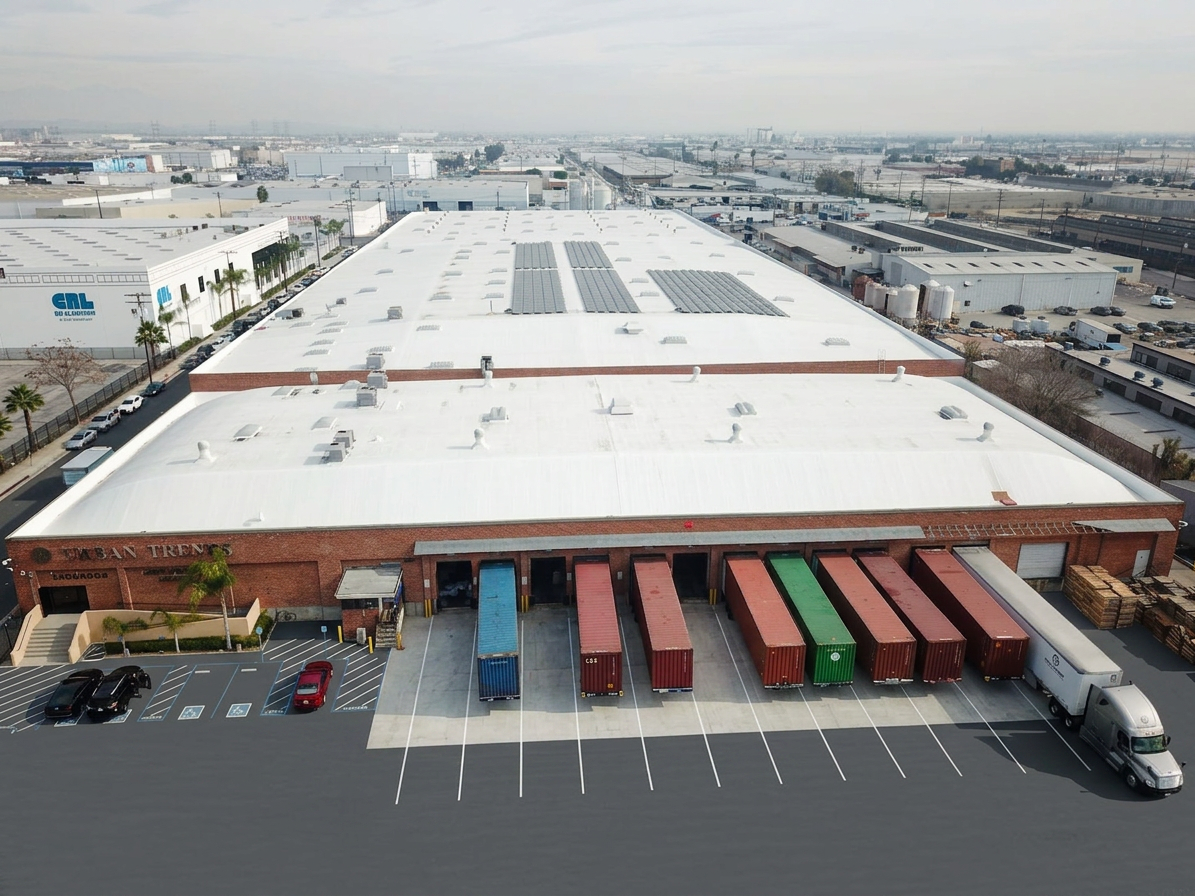
Asking rents across the region have corrected from the 2022 peak, with the deepest corrections in the large-format Inland Empire product where supply arrived fastest. Close-in LA rents have held far better, because the constraint there is land, not demand. Vernon in particular has effectively no new supply pipeline: the city is fully built out, and the practical way to add capacity is to re-rack, mezzanine, or improve existing buildings.
That structural scarcity is why close-in rents per square foot look expensive next to Inland Empire headline numbers — and why the total-cost math still favors close-in for high-container-velocity importers once drayage is priced in.
Sublease Space: Read It Carefully
A meaningful share of available space in the market is sublease inventory from retailers and 3PLs that over-leased during the boom. Sublease space can look like a bargain, but it carries real risk for a growing brand: short remaining terms, restricted use clauses, no expansion rights, racking that was configured for someone else's SKU profile, and a sublandlord whose own credit is now a variable in your supply chain.
If you are evaluating sublease space against a 3PL agreement, compare on term flexibility, not just rate.
Net Absorption and What Tenants Are Actually Doing
The behavior we see across the LA basin in 2026 is consolidation rather than expansion. Brands that spread inventory across two or three facilities during the 2021–2022 stockout panic are collapsing back into a single West Coast node and adding an East Coast node only when 2-day ground coverage justifies it. That single West Coast node increasingly sits close to the port, because the cost of the drayage move has stayed stubbornly high even as rents corrected.
Labor Costs and Availability
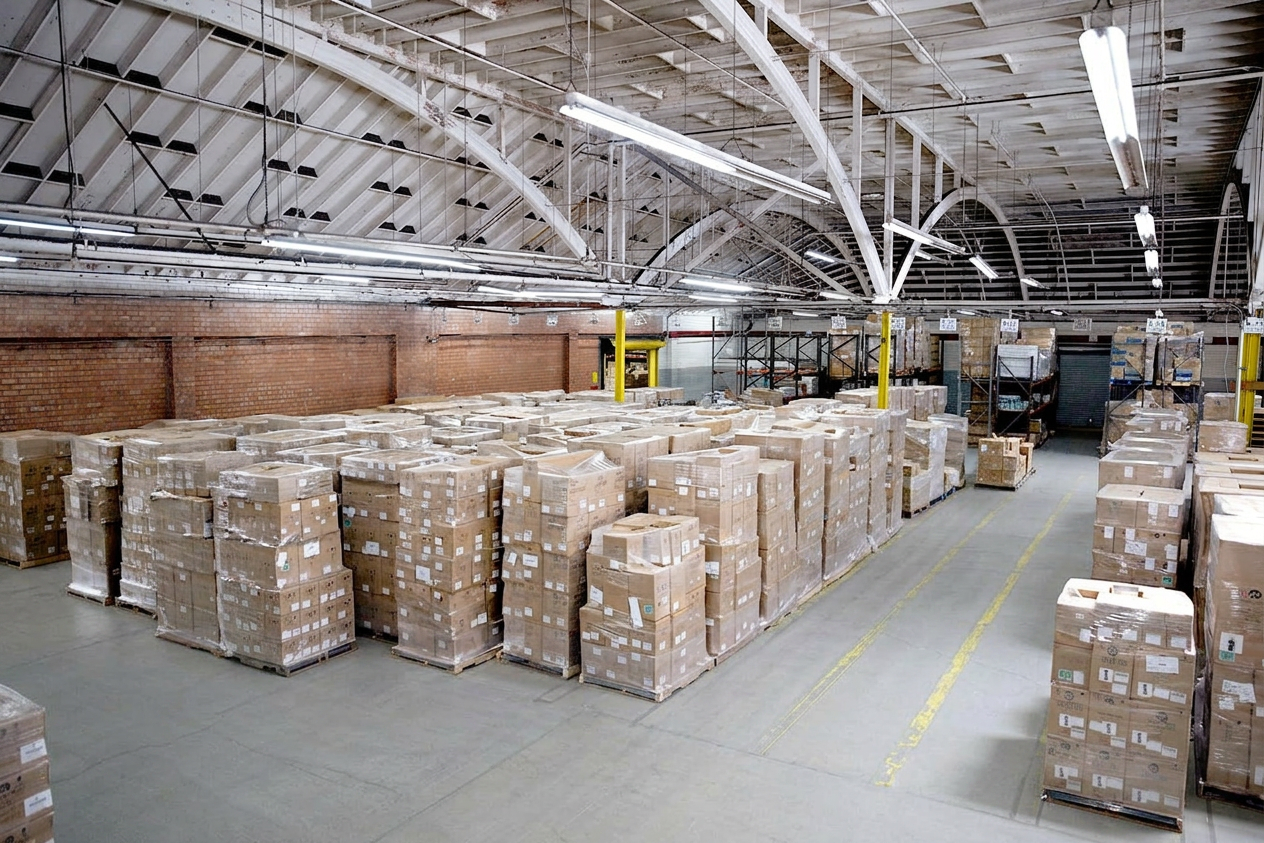
Warehouse wages in Southern California have stabilized after several years of sharp increases, but they have not come back down. California's regulatory environment — warehouse quota disclosure requirements, indoor heat illness standards, and meal and rest break enforcement — adds real compliance overhead that a first-time warehouse operator consistently underestimates. For most brands under about 150,000 sq ft of usage, that compliance burden is the single strongest argument for a 3PL over a self-operated lease.
Drayage and Chassis: Still the Swing Cost
Container moves out of the Ports of Los Angeles and Long Beach remain the most volatile line item in a West Coast importer's landed cost. Distance to the warehouse determines how many turns a driver gets per shift, which determines the rate you are quoted. A warehouse 15–20 miles from the terminal supports multiple turns per day. A warehouse 60–90 miles out supports one. That structural difference does not change with market cycles.
What This Means If You Are Choosing Space Right Now
Three practical takeaways for mid-2026:
1. **If you are storage-heavy and container-light**, the Inland Empire large-format market is the best value it has been in five years. Negotiate hard on free rent and TI.
2. **If you are container-heavy or DTC-heavy**, close-in LA still wins on total landed cost, and a 3PL is usually the only way to access that submarket at a footprint under 100,000 sq ft.
3. **If your volume is seasonal or uncertain**, avoid a five-year lease on a market you cannot forecast. A 3PL converts fixed rent into variable cost per unit.
Logix Fulfillment operates a 214,000 sq ft owner-operated warehouse in Vernon, CA — 21 loading docks, over 11,000 pallet positions, roughly 30 minutes from the Ports of Los Angeles and Long Beach and from LAX. Because we own the building rather than lease it, our capacity is not repriced against us every renewal cycle. Request a quote and we will model your volume against your current warehouse cost.