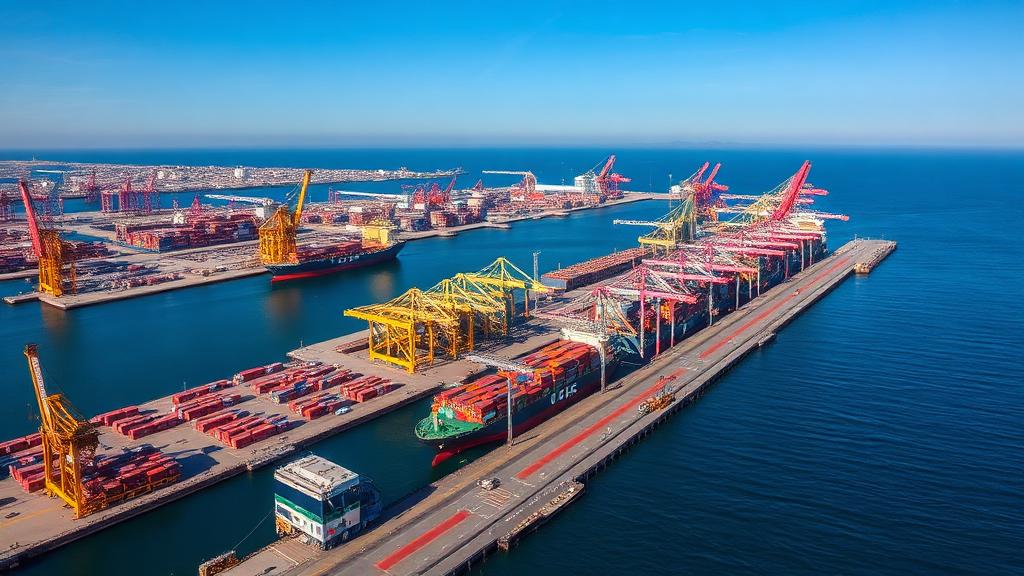
The 2028 Los Angeles Games will bring millions of visitors, thousands of sponsors and vendors, and an enormous wave of merchandise, equipment, and promotional inventory into Southern California. For businesses that sell, supply, or support anything connected to the event, the logistics question is not whether demand will spike — it is whether your supply chain is positioned before the region's capacity is spoken for.
This is the playbook we walk through with importers and brands planning around major events, adapted for what we see coming in Los Angeles. (Logix Fulfillment is an independent 3PL and is not affiliated with or endorsed by LA28 or any organizing committee or governing body of the 2028 Games.)
Start With the Constraint: Close-In Warehouse Space
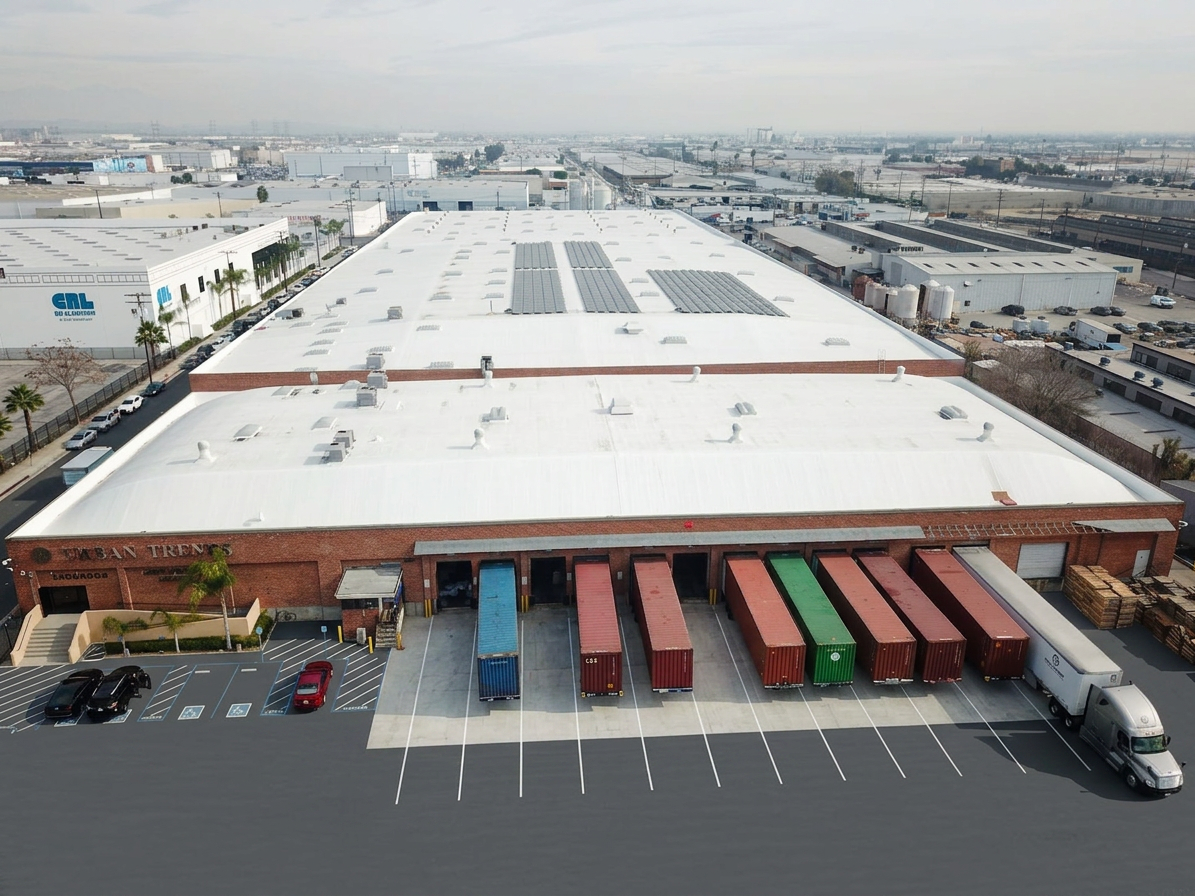
Los Angeles already has the tightest close-in industrial market in the country. Vernon, Commerce, and the South Bay submarkets have essentially no developable land and no new supply pipeline. A multi-year surge of event-related inventory does not create new buildings — it competes for the same finite square footage that importers, e-commerce brands, and drayage operators already fight over.
The practical implication: if your 2028 plan assumes you will 'find space when you need it,' that space will either not exist or will price at a premium that erases the margin on the project. Securing a warehouse partner 12 to 18 months ahead is not early — it is on time.
Plan Inventory in Waves, Not a Single Landing
The most common event-logistics failure is compressing all inbound freight into the final months. Vessel bookings, customs clearance, terminal appointments, drayage capacity, and warehouse receiving slots all tighten simultaneously as the event approaches — and every one of those bottlenecks is worse in a port city hosting a global event.
A better structure:
- **Land inventory in planned waves** starting well before the event, so a delayed vessel is a scheduling problem, not a stockout.
- **Convert bulk to ready units early.** Kitting, labeling, and pre-packing done months ahead turns the final weeks into simple distribution instead of a packaging crunch.
- **Hold buffer stock close to the venues.** A warehouse five miles from downtown Los Angeles can respond to a same-week replenishment request. One in the Inland Empire often cannot.
Drayage and Receiving: Book the Slot Before the Ship
Container moves out of the Ports of Los Angeles and Long Beach are priced on driver productivity, and productivity collapses when terminals, freeways, and receiving docks are all congested at once. During the Games, expect appointment scarcity and street traffic around venues to compound the usual port friction.
The defenses are the same ones that work in peak season, applied earlier: file ISF on time, clear customs before discharge, hand your warehouse container numbers and free-time expiry dates as soon as you have them, and book receiving appointments before the vessel berths. A receiving facility roughly 30 minutes from the terminals with its own gated truck yard can absorb boxes that a facility without yard space cannot.
Kitting and Value-Added Work Is Where Timelines Slip
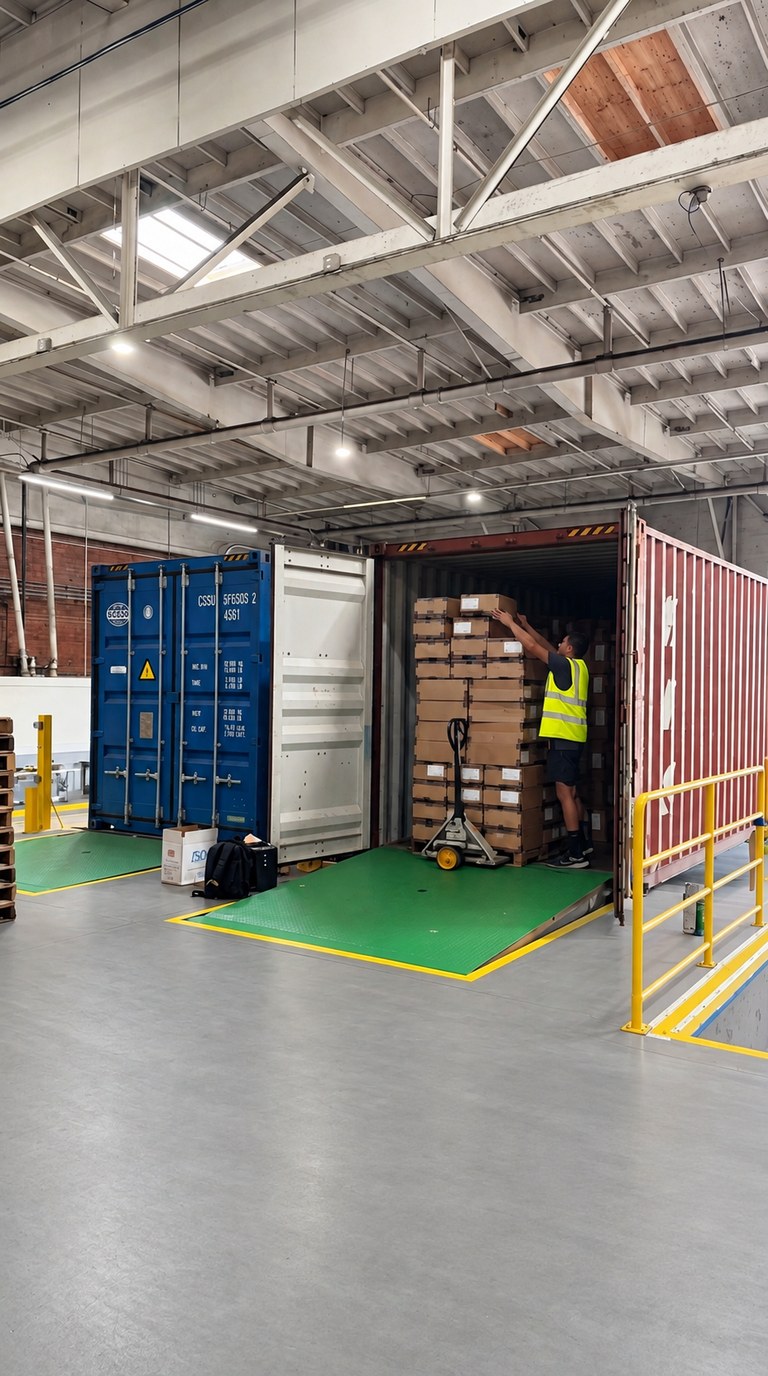
Welcome kits, VIP packages, retail displays, and promotional bundles all share one trait: they cannot be assembled at the last minute at volume. Every kitting project has a throughput ceiling — units per labor hour — and when thousands of units are needed in a fixed week, the math decides the start date, not the calendar.
Get your kitting specifications, packaging materials, and QC standards locked early, and run a pilot batch before committing to full production. A 3PL that does kitting in-house can fold this work into the receiving flow so bulk freight becomes distribution-ready units in one touch.
Distribution Windows Will Be Tighter Than You Expect
Delivering into venues, hotels, and retail locations during a major event means working around security perimeters, restricted delivery windows, and road closures. Carriers will charge for that friction, and missed windows may not be rebookable same-week.
Build distribution schedules with buffer, confirm every receiving window in writing, and work with a warehouse that can stage outbound freight and flex appointment times. This is where a central Los Angeles location pays for itself: short hauls mean more delivery attempts per truck per day.
Don't Forget the Reverse: Post-Event Inventory
Every event ends with unsold merchandise, returned equipment, and display materials that need to go somewhere. Without a plan, that inventory sits in expensive storage or gets liquidated at a fraction of its value. Decide in advance what gets restocked, returned to vendor, donated, or routed to liquidation — and make sure your warehouse can execute inspection and disposition, not just storage.
A Realistic Timeline
1. **18+ months out:** select your warehouse partner and reserve capacity.
2. **12 months out:** lock kitting specs, packaging, and QC standards; run pilot batches.
3. **6–9 months out:** begin landing inventory waves; book drayage and receiving appointments early.
4. **Final quarter:** shift to distribution mode — staged outbound freight, confirmed delivery windows, buffer stock close to venues.
5. **Post-event:** execute the returns and disposition plan within weeks, not months.
Logix Fulfillment operates a 214,000 sq ft owner-operated warehouse in Vernon, CA — 21 loading docks, a 76,000 sq ft gated truck yard, in-house kitting, and roughly 30-minute access to both San Pedro Bay ports and LAX. See our LA28 Games warehousing and fulfillment page for project-based storage and distribution options, or request a quote and we will model your 2028 volume against our capacity.