Warehouse storage is a recurring cost that most ecommerce brands accept without question. But storage fees — a recurring monthly expense in Los Angeles — can add up to thousands of dollars monthly. The good news: strategic inventory management can reduce your storage costs by 20-40% while actually improving your fulfillment operation. Here are eight strategies that work.
1. Eliminate Dead Stock Ruthlessly
Dead stock — inventory that hasn't sold in 90+ days — is literally money sitting on shelves. Review your inventory reports monthly and take action on slow movers: mark down aggressively (a 50% discount is better than paying storage indefinitely), bundle with popular items to clear excess, donate for tax write-offs, or liquidate through secondary channels. At most 3PLs, you're paying for pallet positions that aren't generating revenue.
2. Optimize Reorder Quantities
Many brands over-order because of supplier MOQs or bulk pricing. Calculate the true cost: is the 10% volume discount worth 3 extra months of storage? Often, smaller, more frequent orders cost less total when you factor in storage. Recalculate your reorder points quarterly and adjust based on actual sell-through rates.
3. Use Vertical Space
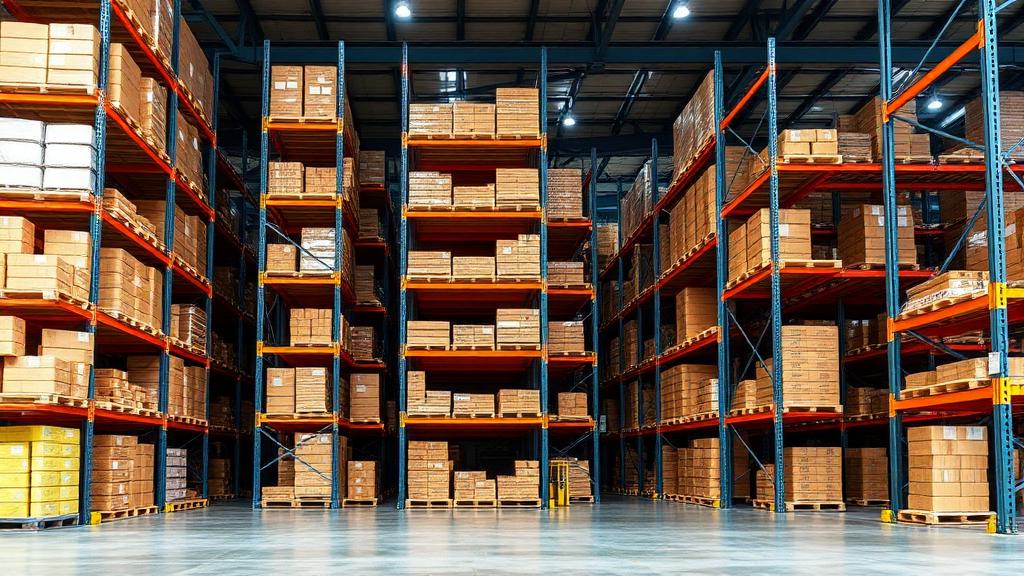
If your 3PL offers bin or shelf storage for smaller items, vertical storage dramatically increases density per square foot. Instead of a full pallet position for 100 units, the same footprint can hold 500+ units in vertical bins. Ask your fulfillment center about bin storage rates — they're typically a fraction of the cost of a full pallet position.
4. Negotiate Volume-Based Storage Tiers
As your business grows, negotiate better storage rates. Most 3PLs offer tiered pricing: 1-20 pallets at one rate, 21-50 at a lower rate, etc. Lock in better rates before peak season when you'll need more space. Also ask about committed volume discounts — guaranteeing a minimum number of pallet positions in exchange for a lower per-pallet rate.
5. Implement Just-in-Time Receiving
Instead of receiving large quantities infrequently, coordinate with suppliers to receive smaller shipments more often. This reduces the average inventory on hand (and therefore storage costs) while maintaining adequate stock levels. For importers, this means more frequent but smaller container shipments or using consolidation services at origin.
6. Seasonal Storage Planning
Pre-plan your storage needs around seasonal demand. Increase inventory ahead of peak season (Q4 for most brands) and aggressively draw down after the holidays. Some 3PLs charge higher storage rates during Q4 — negotiate these rates in advance or pre-position inventory before peak surcharges kick in.
7. Consider Split Inventory Strategies
For brands with diverse product lines, splitting fast-moving items into pick-ready bin locations and slow-moving items into bulk pallet storage can optimize costs. Fast movers in bins pick faster and cost less; slow movers on pallets take up less bin space. Your 3PL in LA should recommend optimal storage configurations based on your velocity data.
8. Choose the Right 3PL Location
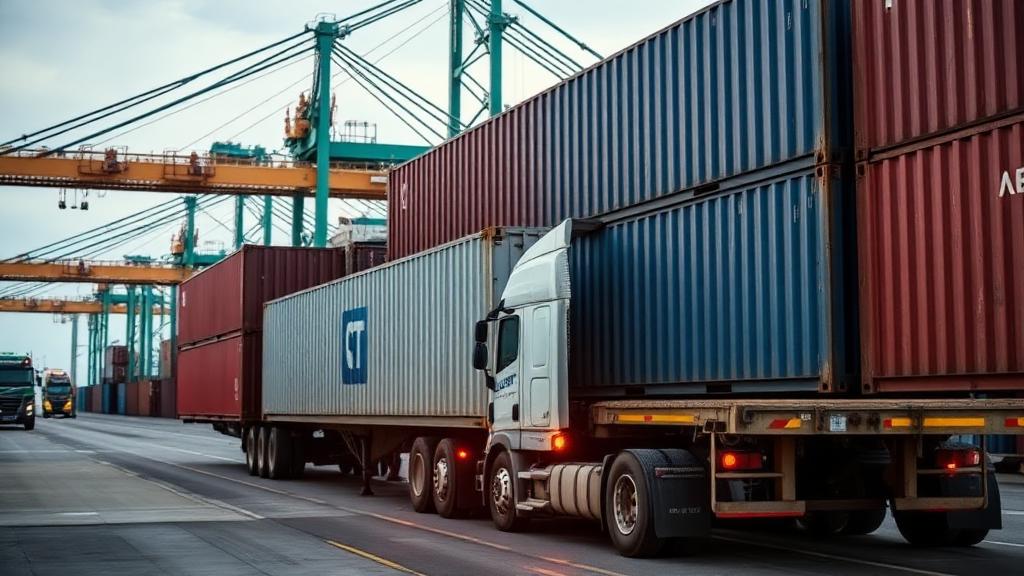
Storage rates vary significantly by location. Vernon, CA offers competitive storage rates with the added benefit of port proximity that reduces inbound transportation costs. The Inland Empire may offer slightly cheaper storage but higher drayage costs — do the total cost math. Get a storage quote from Logix to see how our rates compare.