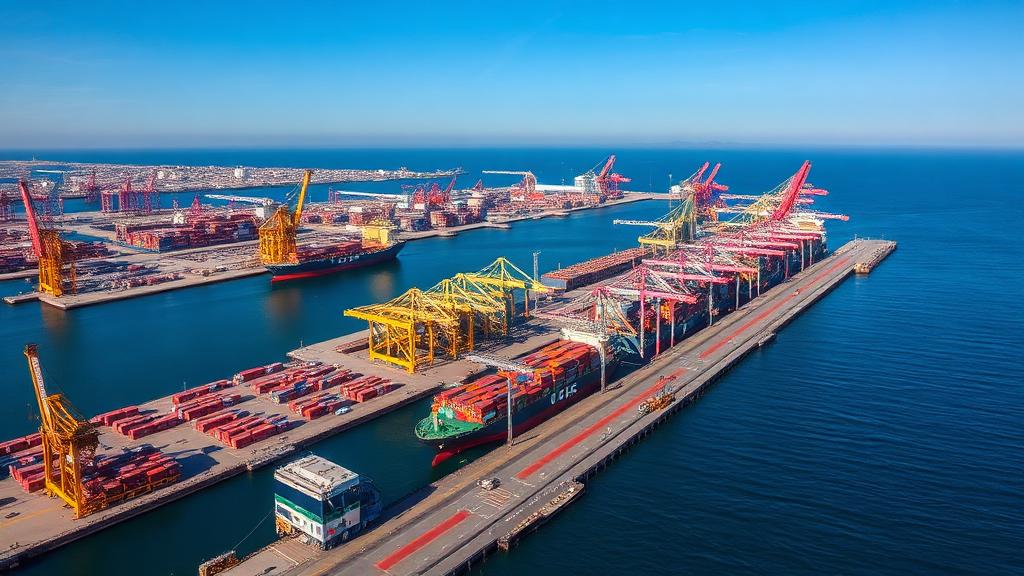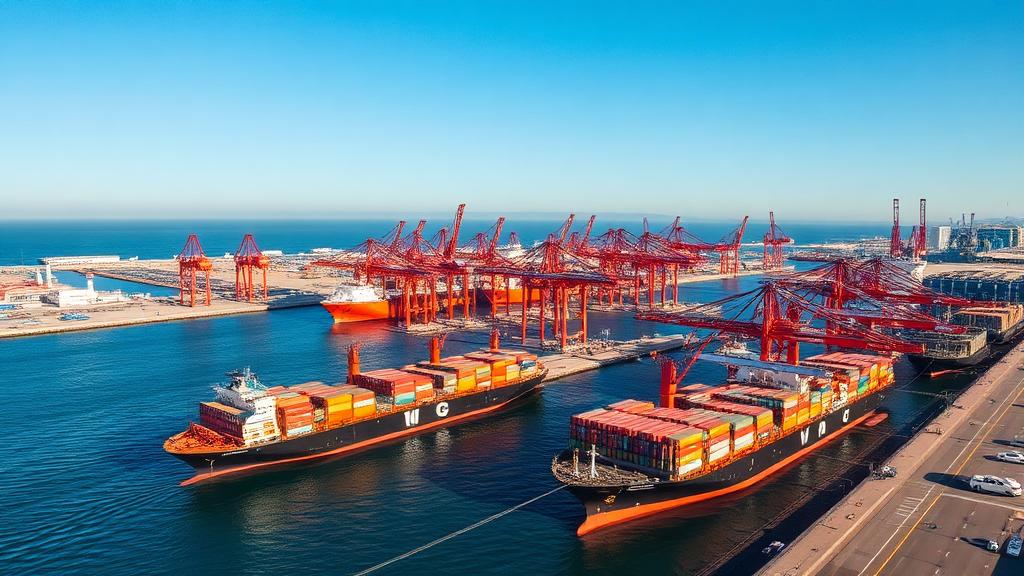
Every hour a container sits at the port costs money. Detention fees, demurrage charges, chassis rental — the clock starts ticking the moment your container is discharged from the vessel. Smart importers have figured out that the single most impactful logistics decision they can make is where they warehouse their goods. And for brands importing through the Port of Long Beach or Port of Los Angeles, a 3PL warehouse within 30 minutes of the port is the ultimate competitive advantage.
The True Cost of Port Distance
Drayage — the short-haul trucking of containers from port to warehouse — is priced primarily by distance. A round-trip dray from the Port of Long Beach to Vernon, CA (30 minutes) is far shorter than dragging the same container to Ontario or Riverside in the Inland Empire. For importers moving 10+ containers per month, that distance gap adds up to substantial unnecessary cost every single month — and over a year, proximity to the port can produce meaningful drayage savings.
How the Container-to-Shelf Process Works
The most efficient importers follow a streamlined container-to-shelf workflow: 1) **Container booking & tracking** — monitor vessel ETA and port discharge schedules. 2) **Drayage coordination** — schedule pickup within the free time window (typically 4-5 days after discharge). 3) **Container unloading** — professional devanning at the warehouse, with piece counts and condition inspection. 4) **Receiving & put-away** — inventory is scanned into the WMS, labeled if needed, and stored in optimized pick locations. 5) **Distribution** — orders ship directly to consumers, retailers, or Amazon FBA.
Avoiding Detention and Demurrage Fees
Detention (fees for keeping the container/chassis too long) and demurrage (fees for leaving cargo at the port terminal) can stack up quickly after free time expires. A port-proximate warehouse like Logix in Vernon, CA enables same-day container pickup and return. This means you can collect your container the morning it's released and have the empty chassis returned the same afternoon — completely eliminating detention exposure.
Transloading: The Importer's Secret Weapon
Many importers don't store all their goods — they transload them. Transloading means unloading a 40-foot ocean container and reloading the cargo directly into 53-foot domestic trailers for immediate distribution to regional warehouses, retail DCs, or Amazon fulfillment centers. Because domestic trailers hold 60-70% more volume than ocean containers, transloading reduces the number of trucks needed for inland distribution. A cross-docking operation in Los Angeles takes this even further by eliminating storage entirely.
Consolidation & Deconsolidation
Importers with multiple suppliers often consolidate shipments at a port-area warehouse. Containers from different factories arrive at different times but are combined, sorted, and redistributed as unified shipments. Conversely, a single container of mixed goods can be deconsolidated — broken into separate orders for different retailers, regions, or sales channels. Both strategies require a warehouse close enough to the port to be operationally and financially viable.
Quality Inspection & Compliance
Before distributing imported goods, many brands need quality inspection (checking for damage, defects, or manufacturing errors), compliance labeling (country of origin, UPC codes, care labels), and regulatory documentation. A 3PL near the port can perform these value-added services immediately upon container receipt — catching issues before they reach customers or retail partners.
Case Study: How a DTC Brand Slashed Logistics Costs
One Logix client — a home goods brand importing 15 containers per month — switched from an Inland Empire warehouse to our Vernon, CA facility. Results: drayage costs dropped substantially, detention fees were eliminated entirely, container turnaround improved from 3 days to same-day, and pick-and-pack fulfillment speed increased by 2 days due to earlier inventory availability. The total annual savings were significant.
Getting Started with Port-Proximate Warehousing
If you're currently importing through the Port of Long Beach or Port of LA and warehousing more than 30 minutes away, you're leaving money on the table. Logix Fulfillment's Vernon, CA warehouse offers container unloading, transloading, FBA prep, and ecommerce fulfillment — all within 30 minutes of both ports. Request a free logistics analysis to see how much you could save.