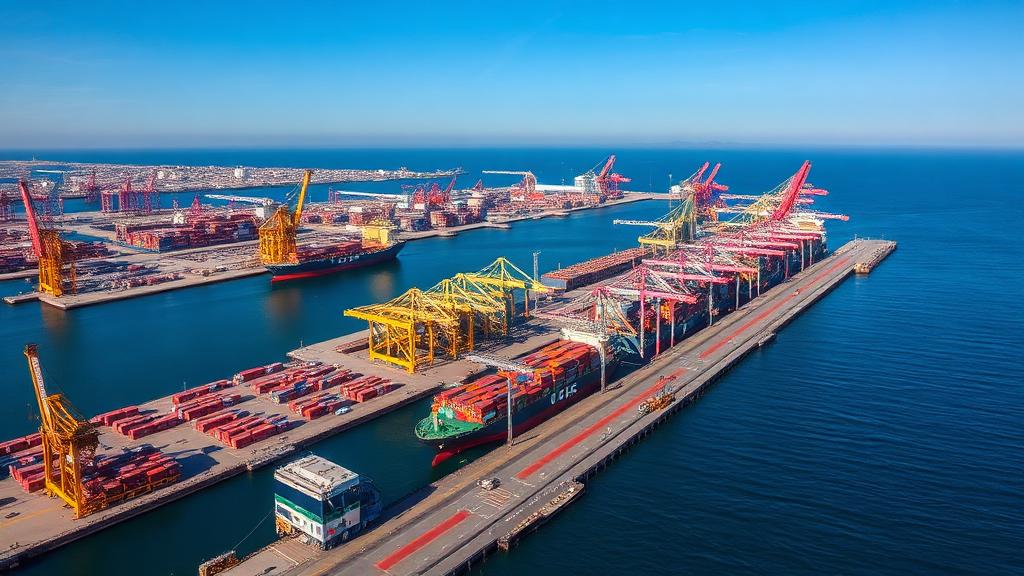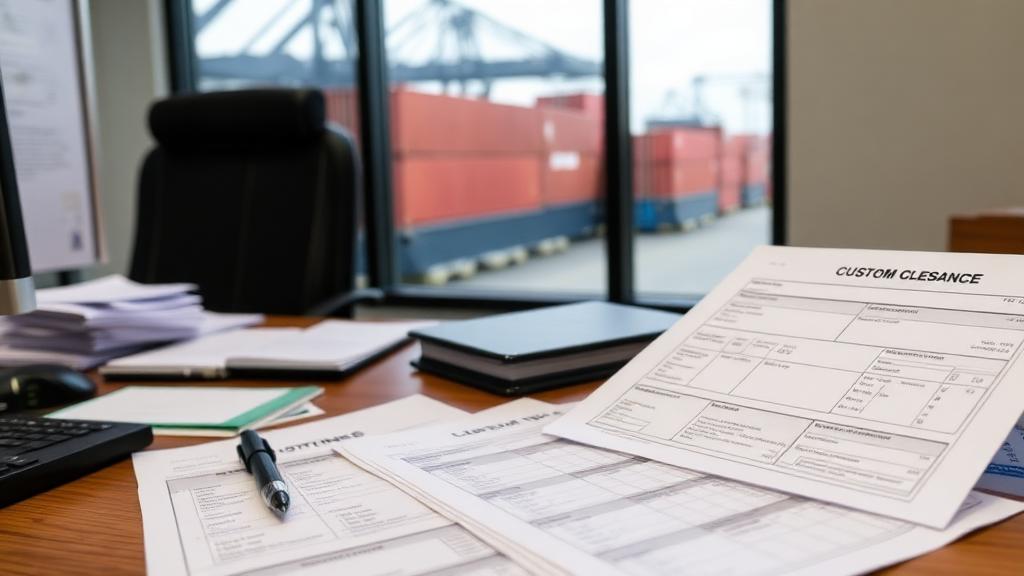
If you import goods through the Port of Long Beach or Port of Los Angeles, customs clearance is the critical gateway between your products arriving in the US and being available for sale. Delays at customs can cascade through your entire supply chain — backed-up containers, detention fees, missed sales deadlines, and frustrated customers. This guide explains the customs clearance process and helps you avoid the most common pitfalls.
The Customs Clearance Process
When your ocean container arrives at the port, US Customs and Border Protection (CBP) must clear the goods before they can be released. The process involves: 1) **Entry filing** — your customs broker files an entry with CBP within 15 days of arrival. 2) **Classification** — goods are classified under the Harmonized Tariff Schedule (HTS) to determine duty rates. 3) **Duty assessment** — CBP calculates duties, taxes, and fees owed. 4) **Examination (if selected)** — some shipments are selected for physical inspection. 5) **Release** — once cleared, the container is released for pickup.
Essential Documentation
Commercial Invoice: Detailed description of goods, quantities, values, and terms of sale. **Packing List
HTS Classification & Duty Rates
Every product imported into the US must be classified under a 10-digit HTS code. This code determines the duty rate — which can range from 0% to over 25% depending on the product and country of origin. Common mistakes include: using the wrong HTS code (leading to over- or under-payment of duties), not claiming applicable trade agreement preferences, and failing to account for Section 301 tariffs on Chinese goods. Work with an experienced customs broker to ensure correct classification.
Common Customs Delays & How to Avoid Them
Incomplete documentation: Missing or inaccurate paperwork is the #1 cause of customs delays. Double-check every document before submission. **FDA/USDA holds
The Role of a Customs Broker
A licensed customs broker is your expert navigator through the clearance process. They handle entry filing, duty calculation, compliance monitoring, and communication with CBP on your behalf. A good broker also advises on duty reduction strategies, trade agreement benefits, and regulatory requirements for your specific products. Most 3PL warehouses near the port work closely with preferred customs brokers to ensure seamless clearance-to-warehouse flow.
How Logix Supports Importers
While Logix Fulfillment doesn't provide customs brokerage directly, we coordinate closely with customs brokers to ensure seamless handoff from port clearance to container pickup and devanning. Our Vernon, CA warehouse — 30 minutes from both ports — enables same-day container pickup once customs release is granted. Contact us to discuss your import logistics needs.