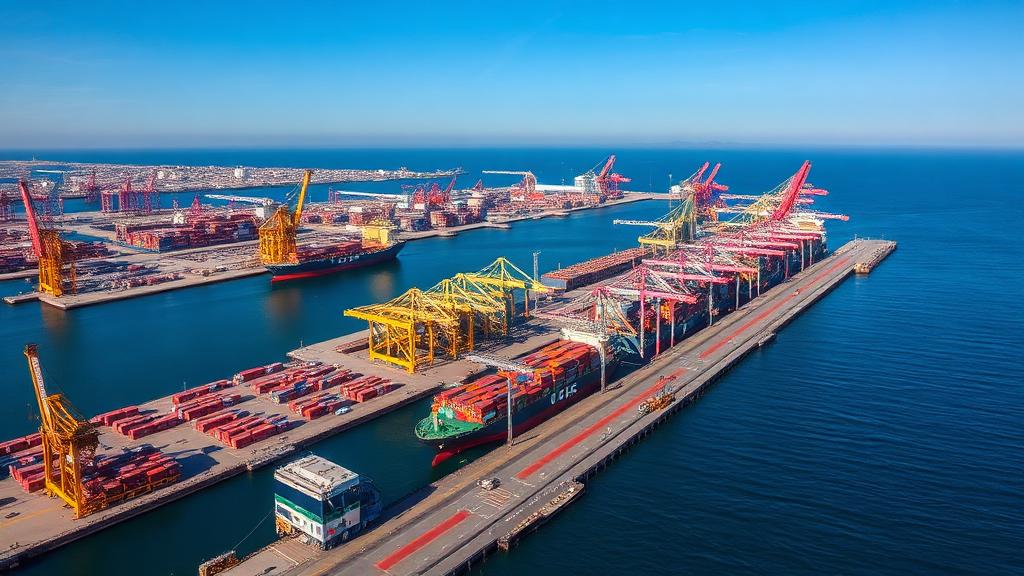
If you import goods through the Port of Long Beach or Port of Los Angeles, two terms dominate your logistics vocabulary: drayage and transloading. Both involve moving containers from port to warehouse, but they serve fundamentally different purposes in your supply chain. Understanding when to use each — and when to combine them — can save your business tens of thousands of dollars annually.
What Is Container Drayage?
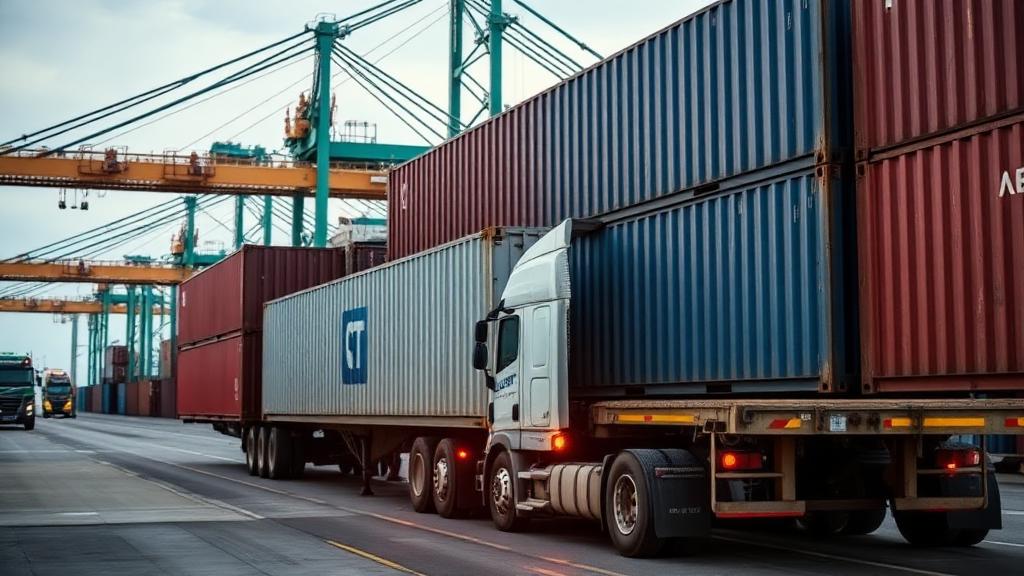
Drayage is the short-haul trucking of ocean containers from the port terminal to a nearby warehouse. The container arrives on a chassis, is driven to your 3PL warehouse, unloaded (devanned), and the empty container and chassis are returned to the port or container yard. Drayage is straightforward: pick up container, deliver to warehouse, return empty. The goods stay at the destination warehouse for storage and order fulfillment.
What Is Transloading?
Transloading goes a step further. Instead of simply delivering the container to a warehouse for storage, the contents of the 40-foot ocean container are unloaded and immediately reloaded into one or more 53-foot domestic trailers. These larger domestic trailers hold 60-70% more cargo volume, making inland transportation more efficient. The reloaded trailers then ship to regional distribution centers, retail DCs, or Amazon FBA facilities across the country. Transloading near the Port of Long Beach is a multi-billion-dollar industry for exactly this reason.
Cost Comparison: Drayage vs Transloading
**Drayage only** (port to local warehouse): short-haul rates for facilities within 30 minutes of the port, like Vernon, CA. Goods are then stored and fulfilled from that location. **Transloading** (port to warehouse, reload to domestic trailers): short-haul drayage plus transload labor plus domestic freight. However, the per-unit inland freight cost drops significantly because you're using fewer, larger trucks. For a brand distributing to 5 regional warehouses, transloading can reduce total inland freight by 25-35% compared to shipping 5 separate ocean containers inland.
When to Use Drayage (Direct Warehousing)
Drayage makes sense when: you fulfill orders from a single warehouse location in Southern California, your customer base is concentrated on the West Coast, you sell through ecommerce channels and ship individual orders via parcel carriers, you need to store inventory and pick-pack-ship over time, or your volumes don't justify the complexity of multi-node distribution. Most DTC e-commerce brands start with this model and it works excellently with a port-proximate 3PL.
When to Use Transloading
Transloading is ideal when: you distribute to multiple retail locations or regional warehouses across the US, you ship full pallets or cases (not individual orders), you need to convert ocean container cargo into domestic trailer loads for cost efficiency, you're replenishing Amazon FBA inventory at multiple fulfillment centers, or your products have short shelf lives and need rapid distribution. Retailers like Walmart, Target, and Costco often require transloading as part of their inbound logistics programs.
The Hybrid Approach: Drayage + Transloading
Many brands use both strategies simultaneously. A typical hybrid model: receive 10 containers per month at a Vernon, CA warehouse. Store 70% of inventory for ecommerce fulfillment (drayage model). Transload the remaining 30% directly to domestic trailers bound for Amazon FBA or regional retail DCs. This hybrid approach optimizes both cost and speed — you maintain West Coast fulfillment capability while efficiently distributing to the rest of the country.
Cross-Docking: The Speed Play
Cross-docking in Los Angeles takes transloading to the extreme — goods move from inbound to outbound with virtually no storage time. Products arrive, are sorted by destination, and loaded onto outgoing trucks within hours. Cross-docking is ideal for time-sensitive products, promotional goods, or pre-sold inventory that already has a confirmed destination. It eliminates storage costs entirely but requires precise coordination and reliable inbound timing.
How to Choose the Right Strategy
Ask yourself: Where are my customers? (West Coast = drayage; nationwide = consider transloading.) What channels do I sell through? (DTC ecommerce = drayage; retail/wholesale = transloading.) How fast do I need inventory distributed? (Gradual = drayage; immediate = transloading/cross-docking.) What's my container volume? (Under 5/month = drayage; 10+ = explore transloading.) A good logistics company in Los Angeles helps you model both scenarios with real cost data.
Logix Offers Both Under One Roof
At Logix Fulfillment, we handle drayage, container unloading, transloading, and cross-docking from our Vernon, CA warehouse — 30 minutes from the Port of Long Beach. Whether you need to store and fulfill or transload and distribute, we provide a single-partner solution that eliminates coordination headaches. Request a free logistics consultation and we'll model the optimal strategy for your specific supply chain.