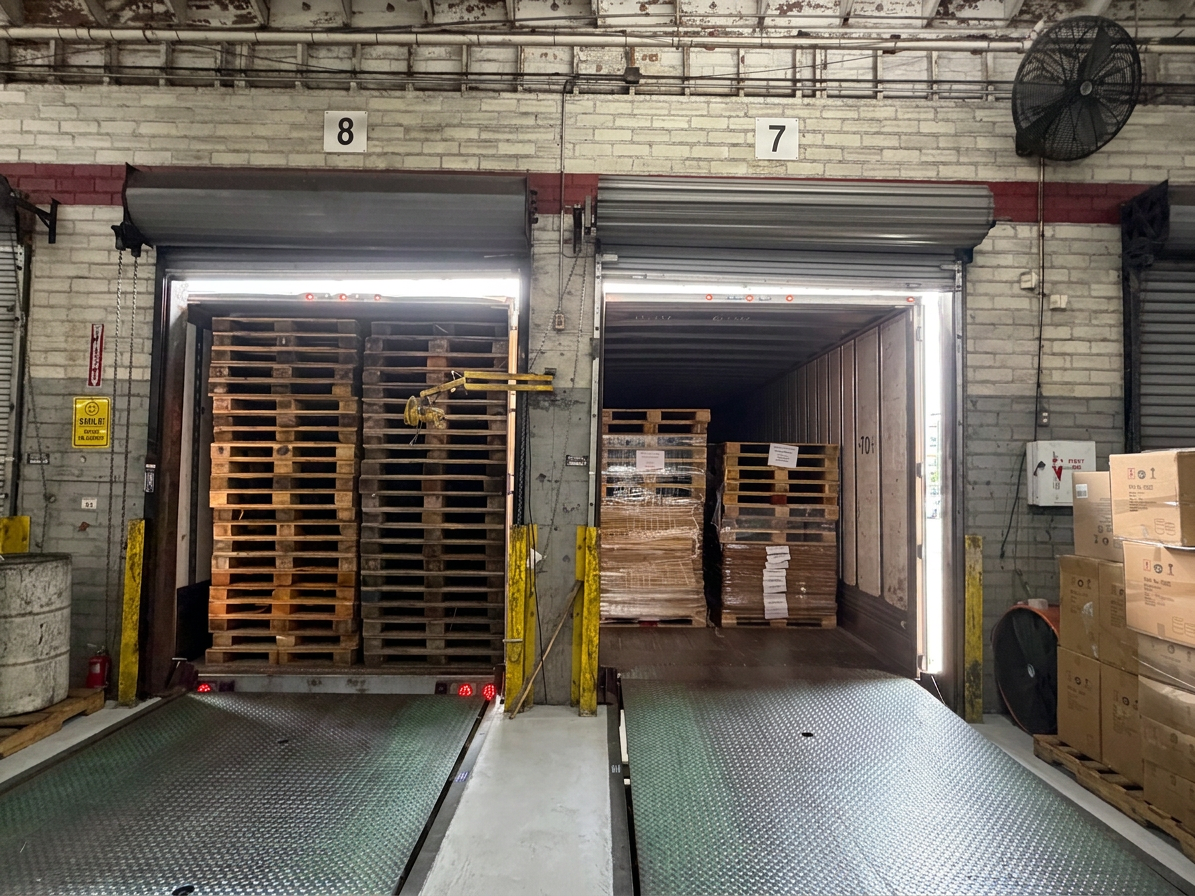
Every growing e-commerce brand hits the same fork in the road: keep shipping orders from a garage, basement, or leased mini-warehouse — or hand it off to a 3PL in Los Angeles. Brand owners almost always wait too long to outsource because in-house fulfillment *feels* cheap. The labor is your own. The space is already paid for. The carrier rates look fine. But when you actually price every input, self-fulfillment usually costs 1.4×–2.2× what an itemized 3PL quote does — and that's before you account for what the founder's time is worth.
What Self-Fulfillment Actually Costs
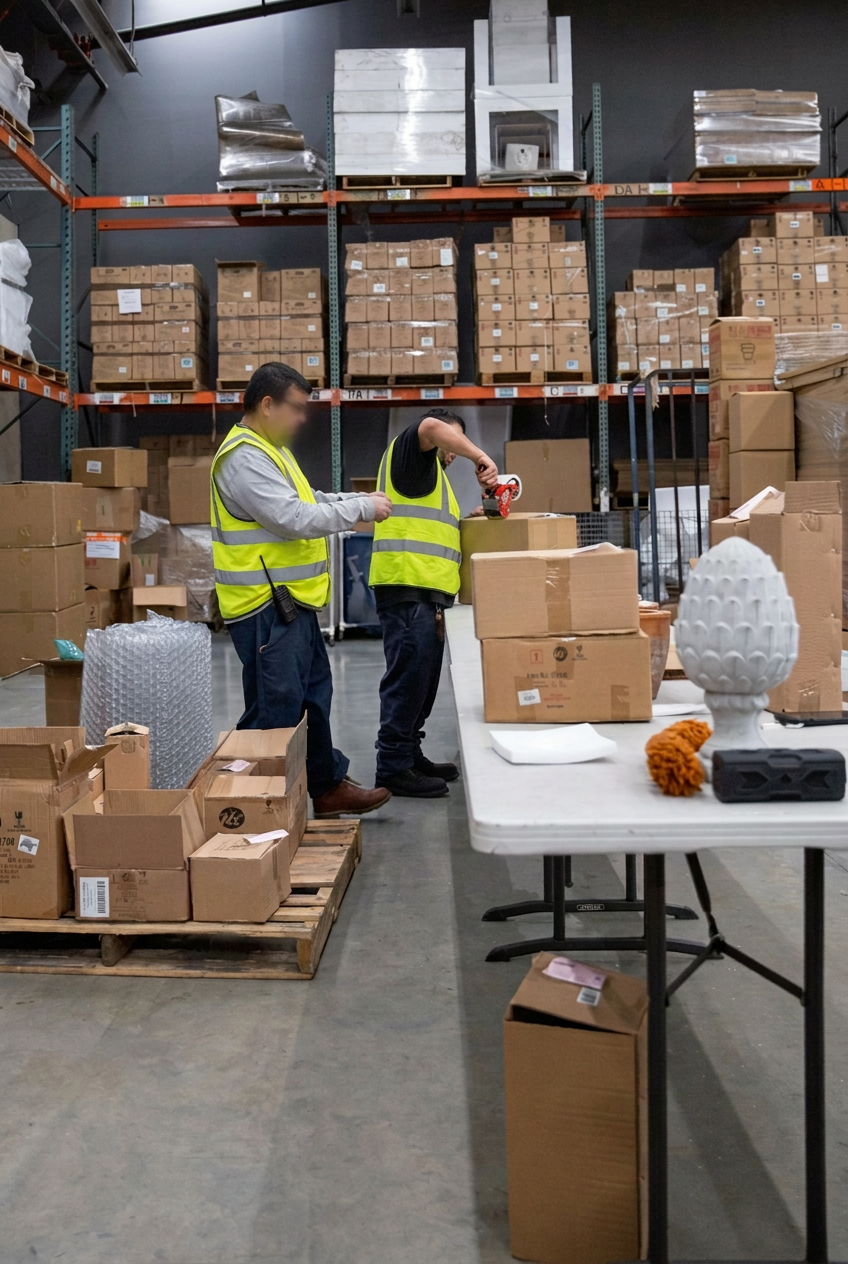
When brands compare a 3PL quote to their own in-house cost, they usually only count labor, packaging, and postage. The real cost stack is much longer:
- **Labor** — fully loaded payroll, not hourly wage. Add 28–35% for payroll taxes, workers' comp, benefits, and PTO.
- **Rent and utilities** — even a garage has a square-foot opportunity cost when it could be storage or living space.
- **Packaging** — boxes, mailers, dunnage, tape, labels. Usually 1.5×–2.5× the per-unit cost a 3PL pays at volume.
- **Carrier rates** — published UPS/FedEx retail is typically 35–55% higher than what a 3PL passes through.
- **WMS or order software** — Shipstation, Ordoro, or similar at $100–$500/month.
- **Returns handling** — inspection, restocking, refund processing.
- **Inventory shrink and pick errors** — 1–3% of revenue at non-barcoded operations.
- **Founder time** — what's an hour of your CEO/operator time worth applied to growth instead of packing boxes?
The Break-Even Math
There isn't a single magic order-volume threshold — break-even depends on average order value, item count per order, and how much your time is worth. But the patterns are consistent across hundreds of brands we've onboarded:
- **Under 200 orders/month:** Self-fulfillment is usually cheaper on paper. Outsource only if logistics is killing the founder's productivity.
- **200–800 orders/month:** Roughly break-even financially. Outsource if you want to scale, hire less, or stop being on the hook for every shipping issue.
- **800–3,000 orders/month:** A 3PL in Los Angeles almost always wins on total landed cost once carrier discounts, packaging savings, and reclaimed founder time are counted.
- **3,000+ orders/month:** Self-fulfillment is materially more expensive than a 3PL, and the operational risk (single-point-of-failure staffing, lease commitments, peak-season collapse) usually outweighs the financial gap by itself.
Hidden Costs of Staying In-House Too Long
Beyond unit economics, brands that stay in-house too long pay in less-visible ways: founder burnout, missed product-development cycles, slower marketing iteration, peak-season meltdowns (Black Friday, Q4, viral moments), and an inability to expand into Amazon FBA, Walmart, or TikTok Shop because the team is already maxed out on DTC shipping. The opportunity cost of *not* outsourcing usually dwarfs the per-order arbitrage.
When Self-Fulfillment Still Makes Sense
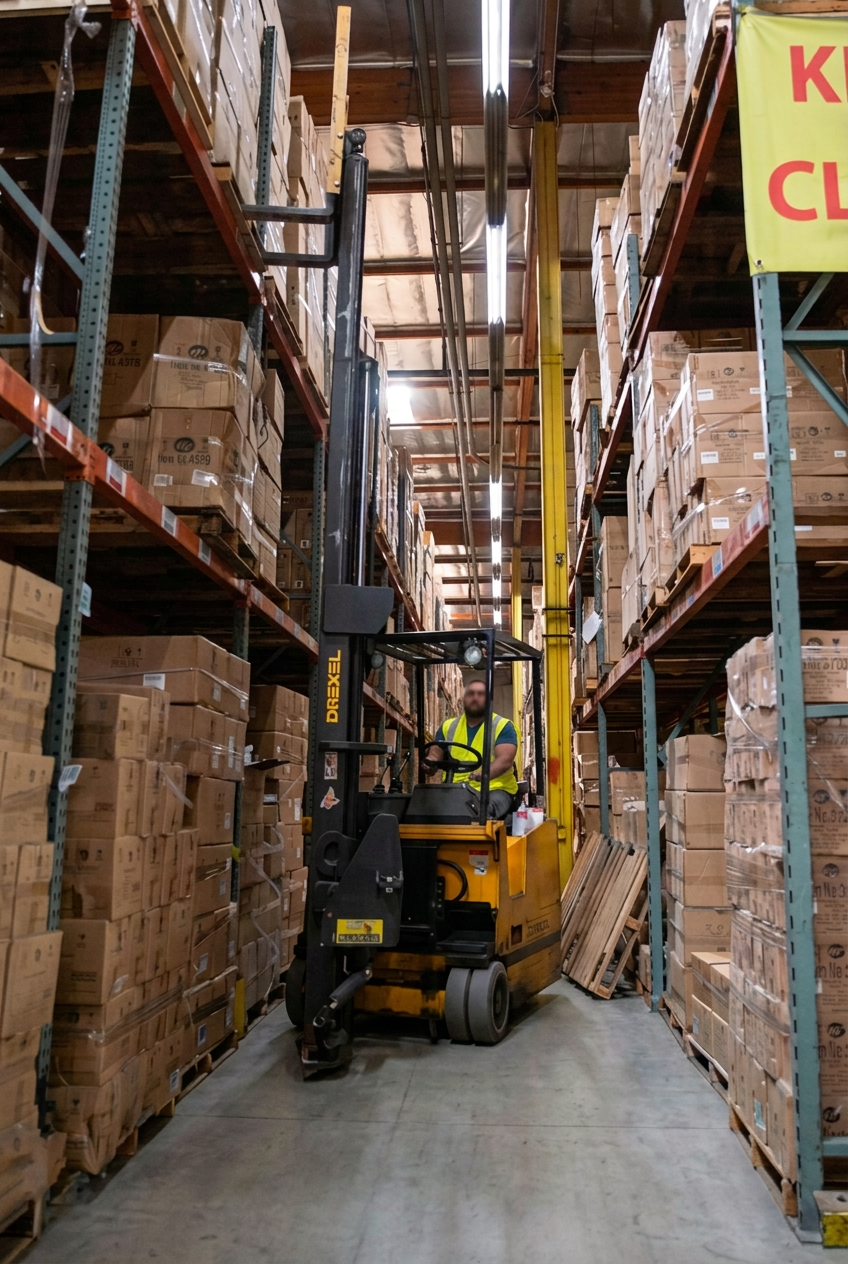
There are legitimate reasons to keep fulfillment in-house: highly customized or made-to-order products, very low order volume with high AOV (e.g., custom furniture), brands where the unboxing experience is a deliberate differentiator and depends on hand-built kitting that no 3PL will match, or pre-launch brands testing demand. Outside those scenarios, the 3PL math wins above ~800 orders/month.
What Brands Should Look for When Outsourcing
If you've decided to outsource, the criteria are well-defined: proximity to the ports if you import freight, owner-operated rather than broker, itemized pricing (no flat monthly retainers), same-day pick-pack capability, real WMS visibility, and direct integration with your sales channels. We covered all eight evaluation factors in our 3PL warehouse selection guide.
How a Vernon, CA 3PL Compares to East Coast or Inland Empire Options
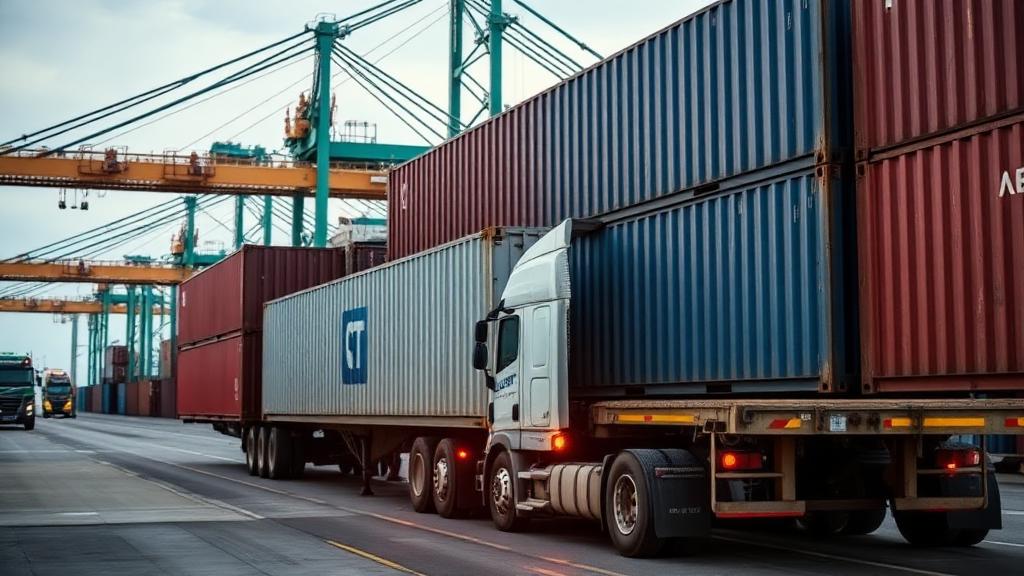
If your inventory lands at the Ports of LA or Long Beach, a 3PL in Vernon, CA gives you the lowest drayage cost in the basin (typically $250–$450 per container savings versus the Inland Empire) and 1–2 day ground shipping to ~60 million West Coast consumers. East Coast 3PLs make sense if your customer base is concentrated in the Northeast and you don't import via West Coast ports; otherwise, LA is the structurally cheapest fulfillment geography in the country for imported goods.
Run the Numbers with Logix
Logix Fulfillment will quote your exact SKU and order data against itemized line-item pricing — no minimums, no account-management fees, no flat retainer — so you can build a real side-by-side spreadsheet against your in-house cost. Request a custom quote or call (323) 215-3838 and we'll respond within one business day with line-item pricing on your actual volume.