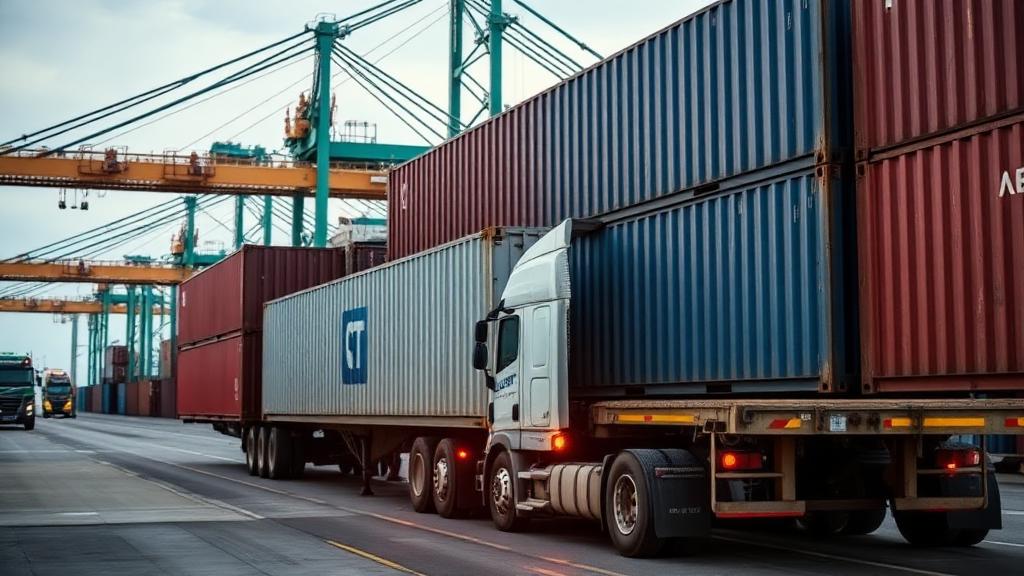
Los Angeles is the busiest port complex in the Western Hemisphere. Every day, tens of thousands of containers move through the Ports of LA and Long Beach, carrying goods destined for e-commerce brands, retailers, and importers across the country. If your freight lands in Southern California, choosing the right 3PL warehouse in Los Angeles can mean the difference between fast, profitable distribution and costly delays.
But not all 3PLs are created equal. With dozens of options scattered across Vernon, Commerce, Carson, and Compton, how do you know which one is the right fit? Here are the eight factors that matter most.
1. Distance to the Ports of LA and Long Beach
Every mile between the port and your warehouse adds drayage cost and transit time. A 3PL in Vernon or Commerce — the industrial corridor just southeast of downtown LA — puts you within 15–20 miles of both ports. That's a material cost advantage compared to a fulfillment center in the San Fernando Valley or Inland Empire. Ask any 3PL prospect: how far is your facility from the Port of Long Beach? If the answer is over 30 miles, factor in the extra drayage fees.
2. The Ability to Handle Container Devanning
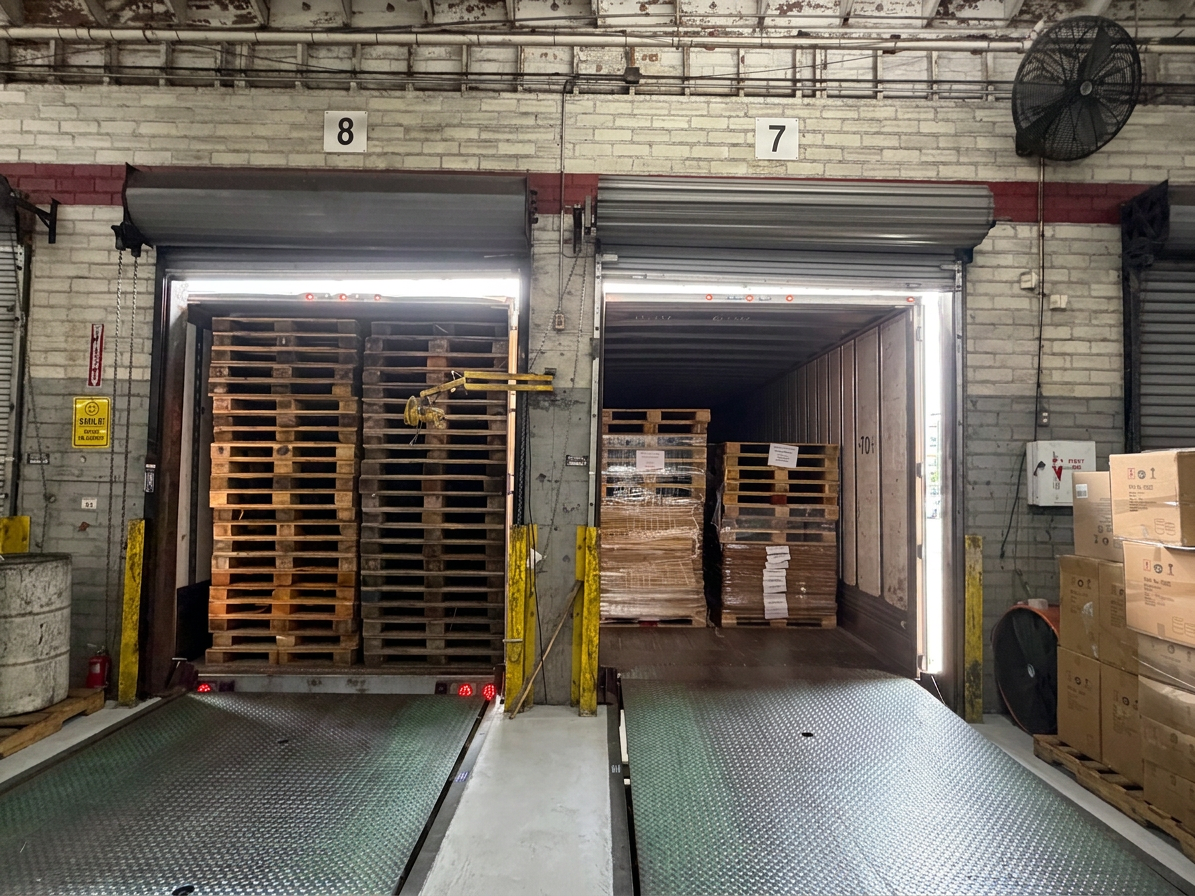
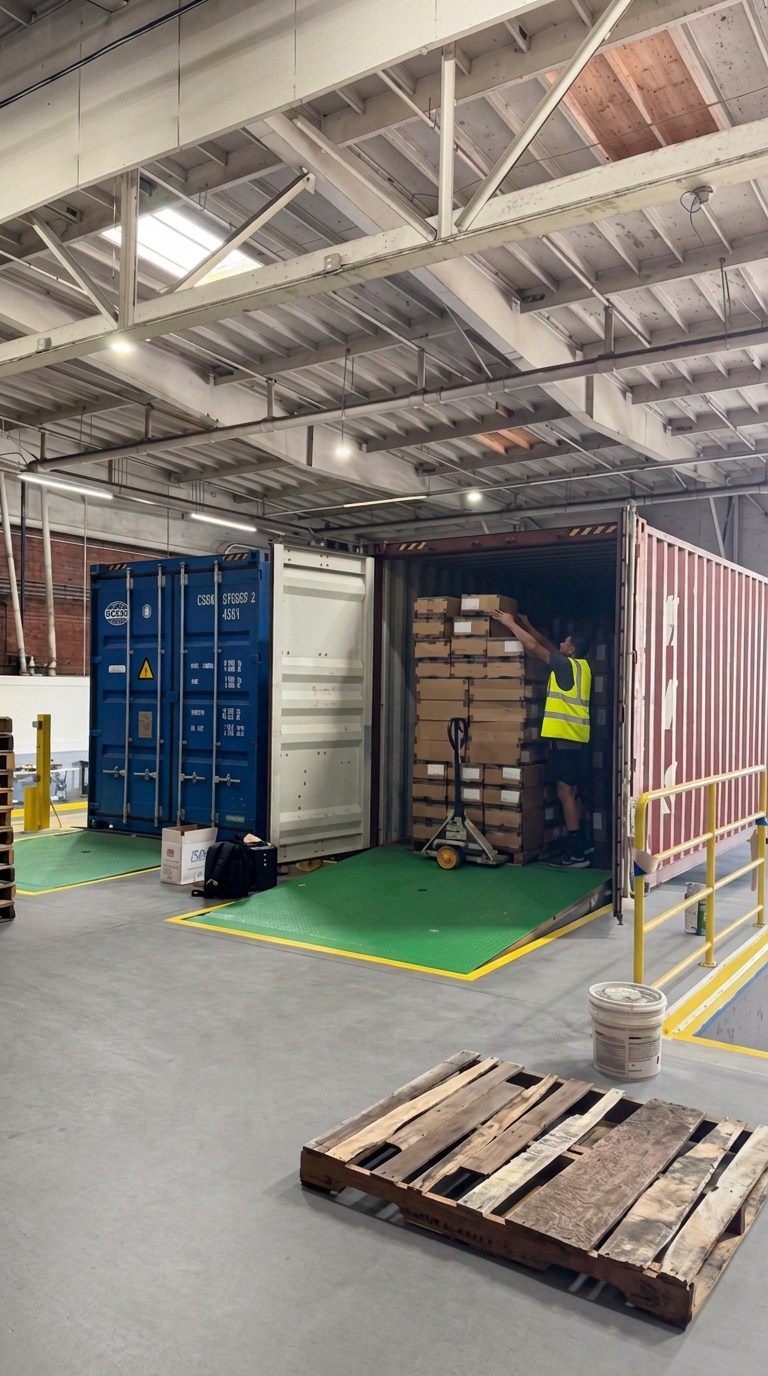
Many importers ship full ocean containers (FCL) and need them unloaded directly at the warehouse dock. This is called devanning or container stripping. Not every 3PL has the dock infrastructure, labor, or forklift capacity to handle this in-house — many outsource it, adding cost and a day or two of delay. Look for a 3PL that has indoor container receiving bays, dock levelers rated for 20ft and 40ft containers, and an experienced team that can devan a full container in a few hours.
3. Warehouse Size and Ceiling Height
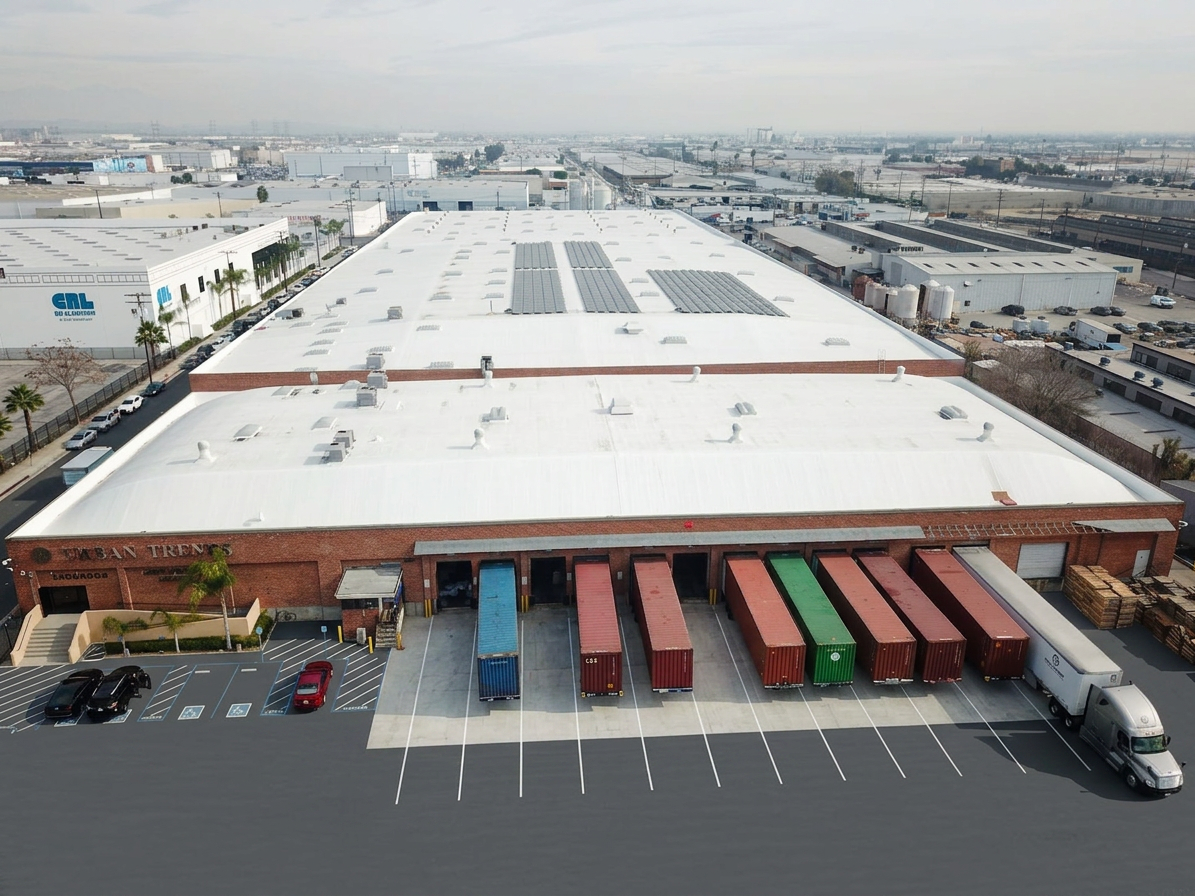
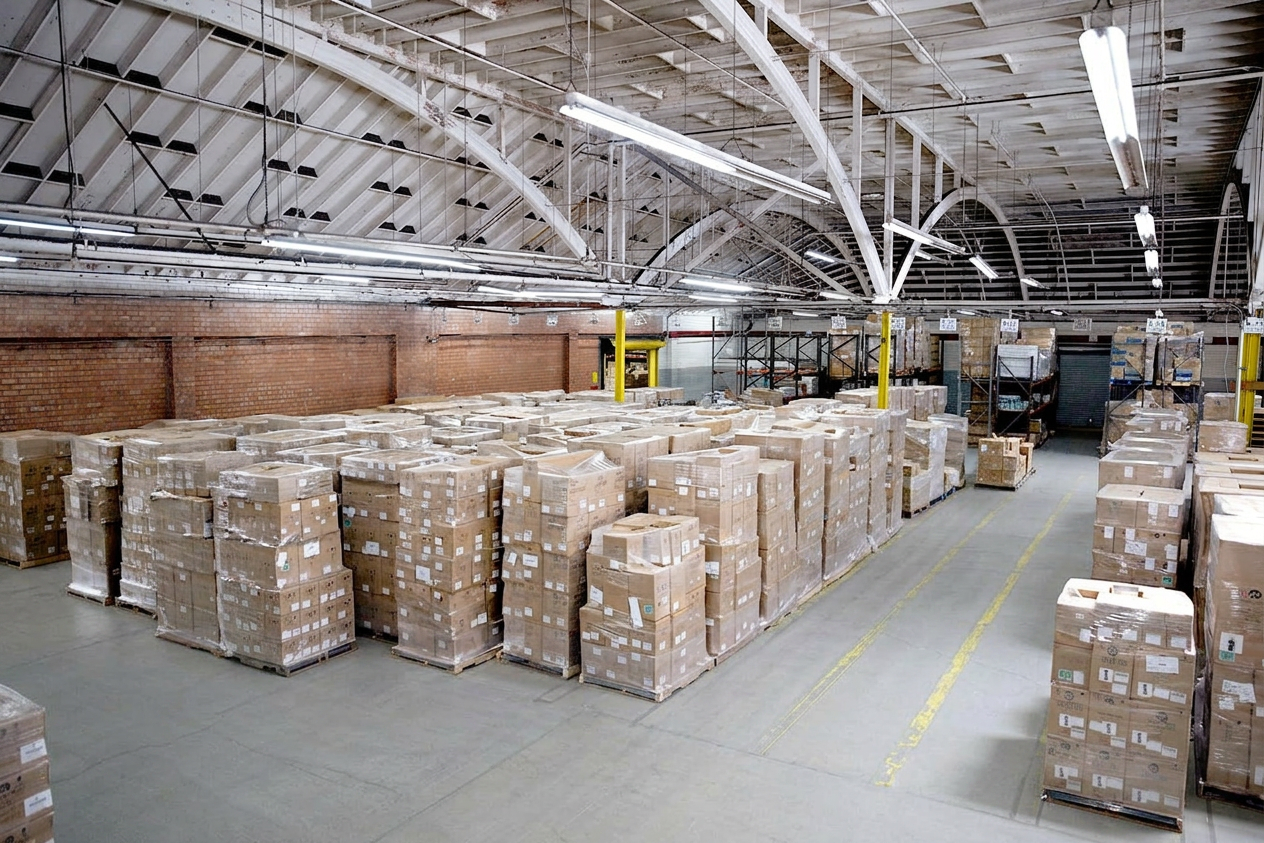
Square footage matters, but so does clear height. A 214,000 sq ft warehouse with 28-foot clear height can stack pallets four or five levels high with racking, dramatically increasing storage density per square foot of floor space. A smaller facility with low ceilings forces floor stacking, which means less storage and higher costs per pallet. Ask for the clear height and current occupancy rate — a warehouse that's 95%+ full may not have room to scale with you.
4. Flexible Storage Options: Racking and Bulk
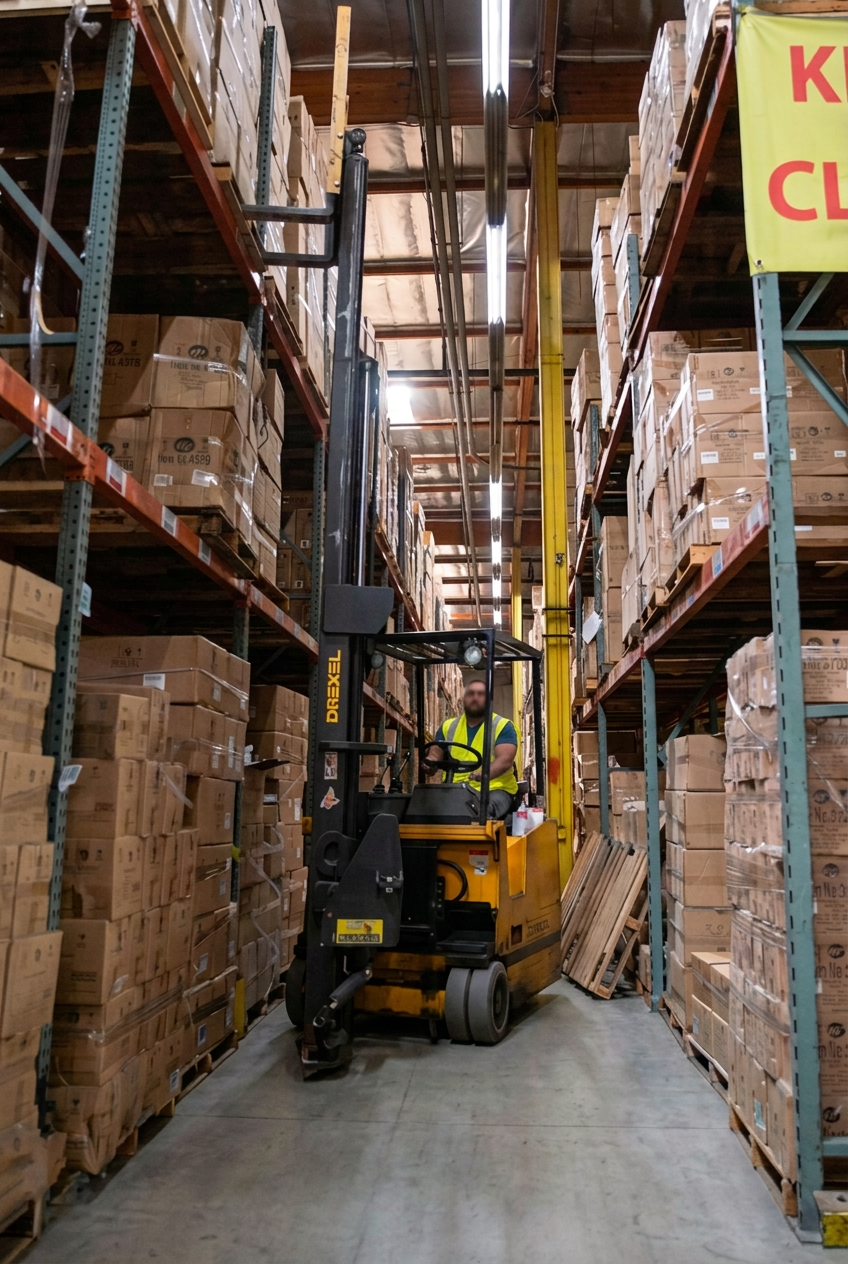
Your inventory should dictate how it's stored, not the other way around. Good 3PLs in Los Angeles offer a mix of selective pallet racking, floor bulk storage, and in some cases pick-and-pack shelving for e-commerce SKUs. If you're importing large quantities of the same SKU (floor loads, consumer goods, furniture), you need bulk floor storage. If you're running a multi-SKU e-commerce operation, you need organized racking with labeled sections. Ideally, your 3PL can do both.
5. E-Commerce Fulfillment Capabilities
If you sell on Amazon, Shopify, TikTok Shop, or any direct-to-consumer channel, your 3PL needs to be able to pick, pack, and ship individual orders — not just move pallets. Ask about their order management system (OMS), which shipping carriers they use, whether they offer same-day or next-day cut-offs, and how they handle returns. A warehouse that does great inbound receiving but can't handle DTC fulfillment will become a bottleneck as your business grows.
6. Amazon FBA Prep Services
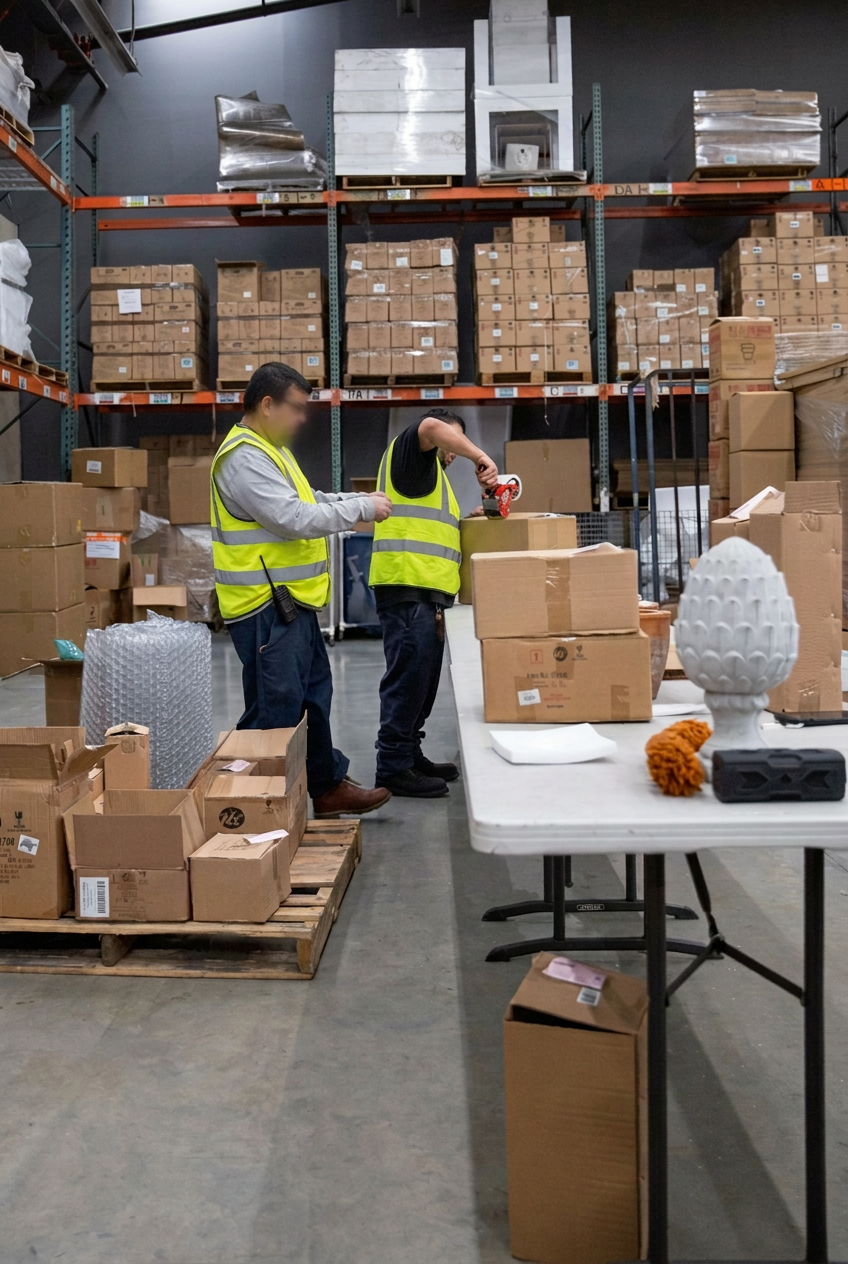
For Amazon sellers, FBA prep is a critical service. This includes FNSKU labeling, poly-bagging, bubble wrapping, carton labeling, and building compliant pallet shipments for Amazon's fulfillment centers. Many 3PLs claim to do FBA prep but don't have streamlined workflows for it. Ask how many FBA shipments they process per week and whether they're familiar with Amazon's ever-changing packaging requirements. Mistakes here result in chargebacks and delayed inventory that costs you Buy Box position.
7. Security, Technology, and Transparency
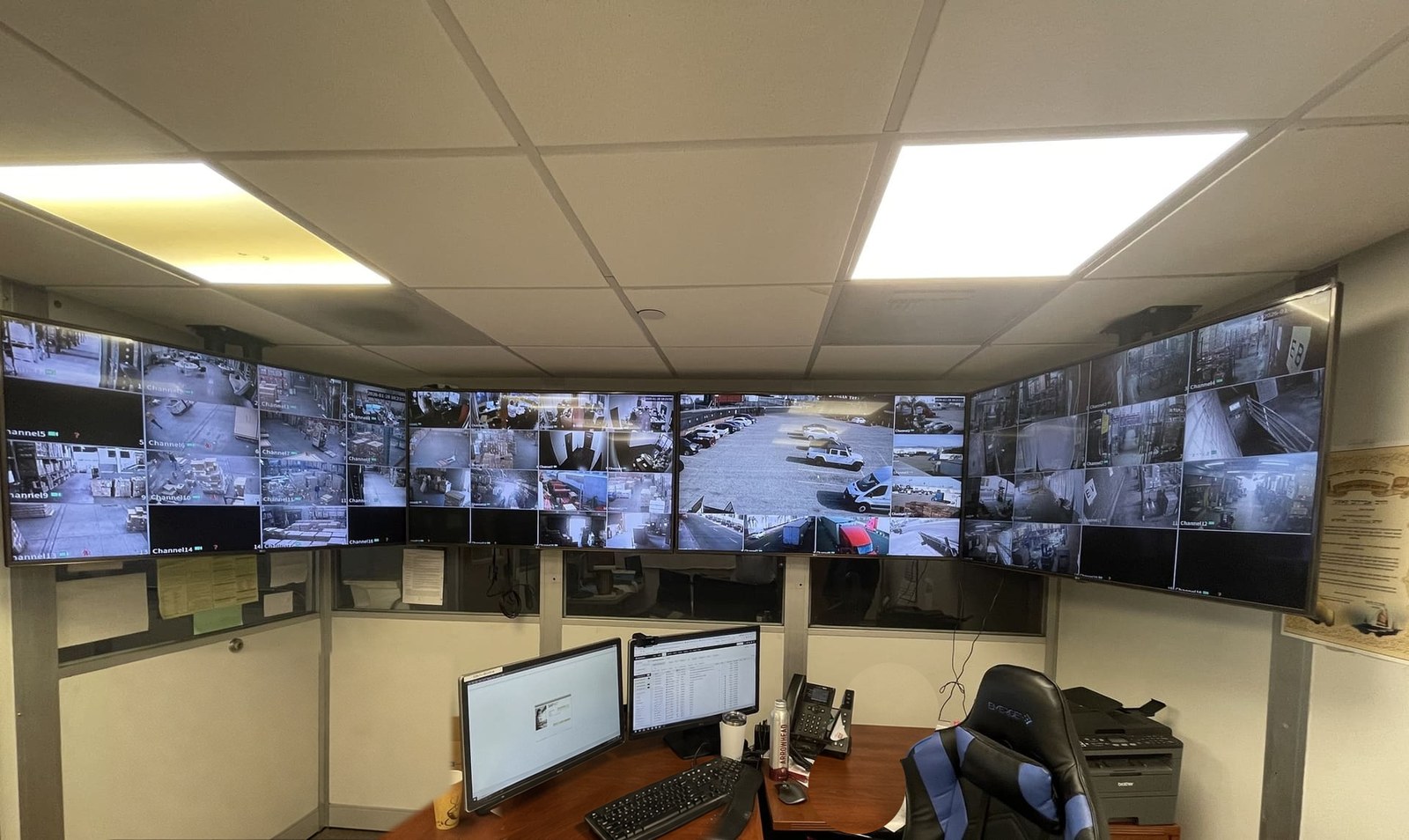
Your inventory is a major financial asset. A professional 3PL warehouse should have 24/7 security camera coverage, controlled facility access, and a warehouse management system (WMS) that gives you real-time inventory visibility. Ask whether you can log in and see your stock levels and order status without calling someone. If the answer is no, that's a red flag in 2026.
8. Owner-Operated vs. Private Equity-Backed
This one matters more than most people realize. Many large 3PLs have been acquired by private equity firms whose primary goal is margin expansion — not service quality. Owner-operated warehouses tend to be more responsive, more flexible on pricing, and more invested in long-term client relationships. When you call with a problem, do you reach the owner or a call center?
Why Logix Fulfillment Checks Every Box
Logix Fulfillment is a family-owned 3PL warehouse located in Vernon, CA — 30 minutes from the Ports of LA and Long Beach. Our 214,000 sq ft facility offers indoor container receiving, selective pallet racking, bulk floor storage, Amazon FBA prep, and e-commerce fulfillment for brands of all sizes. We're owner-operated, solar-powered, and available when you need us.
If you're shopping for a 3PL warehouse in Los Angeles, we'd love to show you the facility and give you a quote. Reach out to our team at (323) 215-3838 or visit logixfulfillment.com to get started.