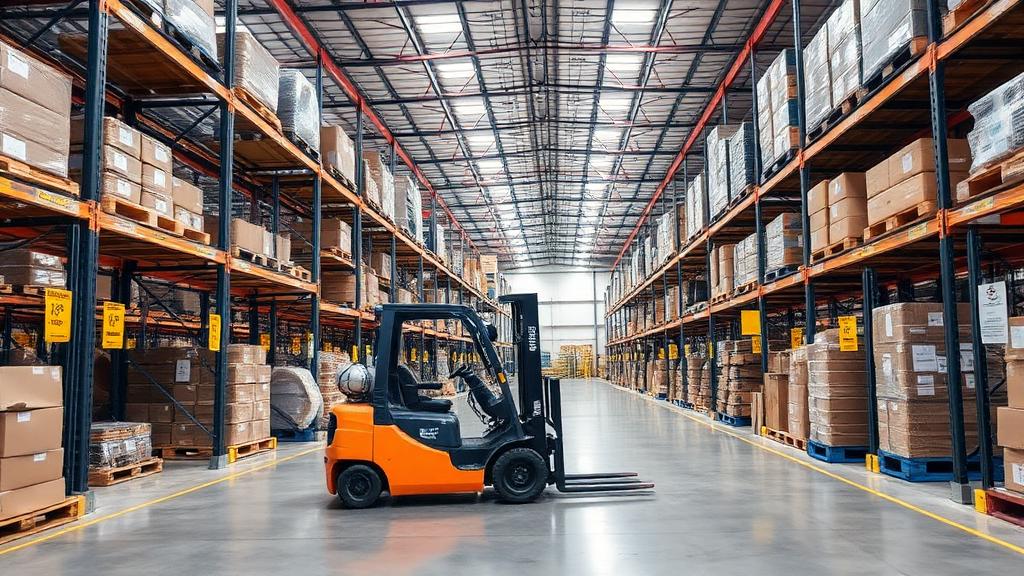
Warehouse management isn't glamorous, but it's the backbone of every successful ecommerce operation. The difference between a well-managed 3PL warehouse in Los Angeles and a chaotic one shows up in your order accuracy, shipping speed, inventory shrinkage, and ultimately your customer reviews. This guide covers the practices that separate best-in-class warehouses from the rest.
Layout Optimization for Picking Efficiency
The physical layout of a warehouse directly impacts how quickly orders can be picked and shipped. Best practices include: placing high-velocity SKUs nearest to pack stations (the '80/20 rule' — 20% of SKUs generate 80% of picks), organizing products by category or pick path rather than arrival date, maintaining clear aisle spacing for safe forklift operation, and designating separate zones for receiving, storage, picking, packing, and shipping. At Logix, our Vernon, CA warehouse is designed around optimized pick paths that minimize worker travel time.
Barcode Everything
If it's not scanned, it didn't happen. Every warehouse transaction — receiving, put-away, picking, packing, and shipping — should involve barcode scanning. This creates an auditable chain of custody for every unit and catches errors before they reach customers. Barcode verification during picking is the single most impactful practice for maintaining 99.9%+ order accuracy. Our pick-and-pack operation requires scan verification at every step.
Cycle Counting vs Annual Inventory
Annual wall-to-wall inventory counts are disruptive and inaccurate. Best practice is cycle counting — counting a small portion of inventory daily on a rotating schedule. This means every SKU is verified multiple times per year without ever shutting down operations. Discrepancies are caught and corrected quickly. Combined with barcode scanning, cycle counting maintains inventory accuracy above 99.5% — the threshold where stockouts and overstock become manageable.
Safety & Compliance
Warehouse safety isn't optional — it's a legal requirement and a business necessity. OSHA compliance includes: proper forklift training and certification, clearly marked pedestrian walkways, adequate lighting, fire suppression systems, personal protective equipment (PPE), and regular safety audits. A safe warehouse is also a productive warehouse — injuries cause downtime, workers' comp claims, and operational disruption. At Logix, our solar-powered facility meets all OSHA and CalOSHA standards.
Technology Integration
Modern warehouse management requires technology beyond spreadsheets. A warehouse management system (WMS) provides: real-time inventory visibility across all locations, automated order routing and wave planning, integration with ecommerce platforms (Shopify, Amazon, WooCommerce), carrier rate shopping and label generation, reporting and analytics for continuous improvement, and alerts for low stock, expiring products, and processing delays. The best 3PLs in Los Angeles invest heavily in WMS technology because it drives both accuracy and efficiency.
The Logix Standard
At Logix Fulfillment, warehouse management best practices aren't aspirational — they're operational standards. Our Vernon, CA facility combines optimized layouts, barcode-verified workflows, daily cycle counts, OSHA compliance, and enterprise WMS technology to deliver 99.9% accuracy and same-day shipping consistently. Request a warehouse tour to see these practices in action.