Most brands measure fulfillment with one number: cost per order. It is the least useful of the metrics available, because it can be improved by degrading everything customers actually notice. Here are the benchmarks worth managing in 2026, what good looks like, and what each one does to revenue.
Order Accuracy
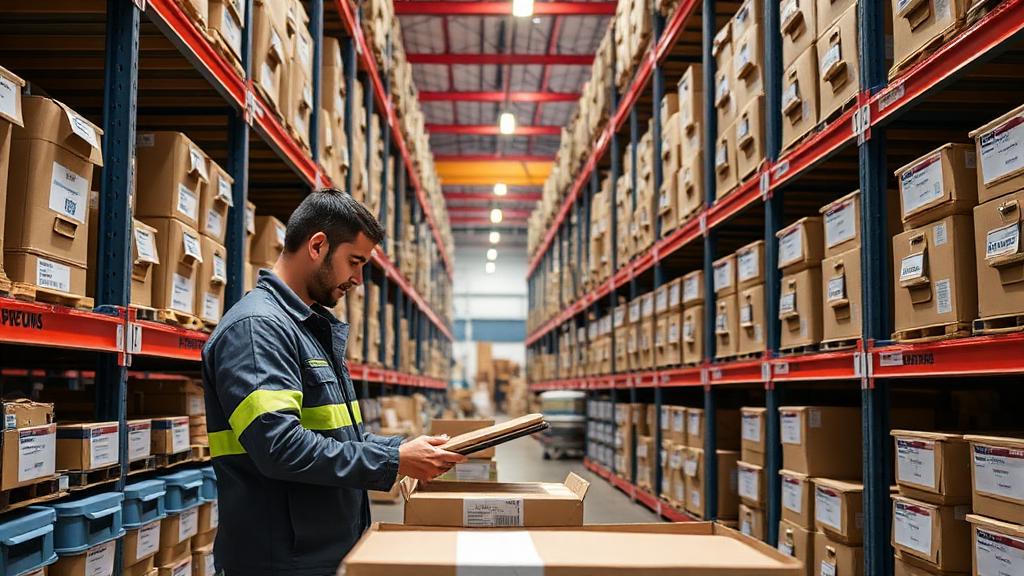
Accuracy is the foundation metric. Every inaccurate order costs the replacement unit, the reship freight, a support interaction, and a measurable share of customer lifetime value. Barcode-verified picking is the difference between the two tiers:
- **Paper-pick or memory-pick operations:** typically 97–98.5% accuracy.
- **Barcode-scan-verified operations:** 99.5%+ is the expectation, and 99.9% is achievable at scale.
The gap between 98% and 99.9% sounds small until you translate it: on 10,000 monthly orders, that is roughly 190 fewer mis-ships per month.
Dock-to-Stock Time
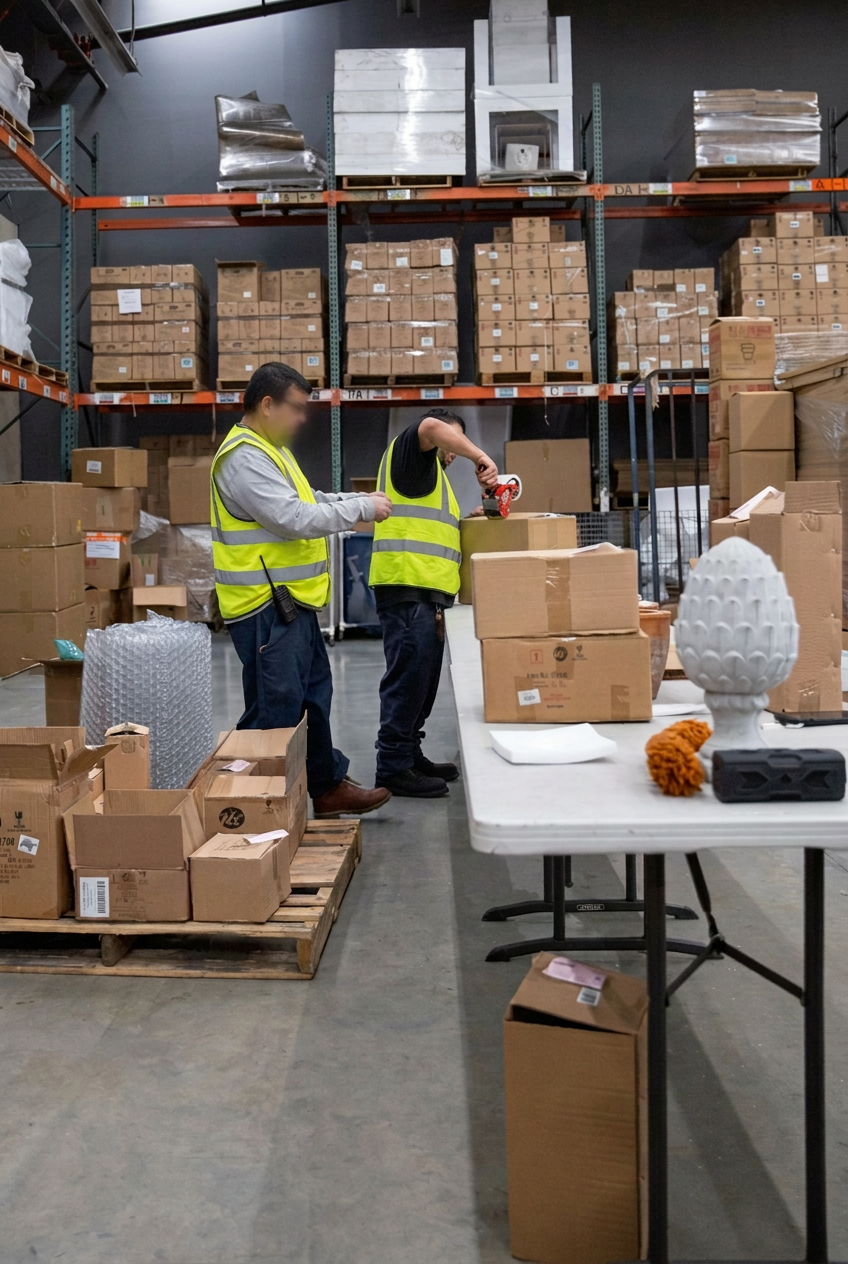
Dock-to-stock measures how long inventory takes from arrival to being sellable in the system. Inventory that is physically on site but not received is functionally out of stock — it cannot be allocated, it shows zero on your storefront, and it drives false stockouts and unnecessary reorders. A well-run operation receives and puts away standard inbound inside 24–48 hours, with same-day receiving available for priority freight.
Order Cycle Time and the Same-Day Cutoff
Cycle time is the interval from order placement to carrier scan. What matters commercially is the cutoff: an order placed at 1:00 PM that ships the same day beats one that ships tomorrow morning by a full transit day in the customer's experience, even though the warehouse work is identical. A same-day cutoff in the early afternoon Pacific, paired with late carrier pickups, is a meaningful competitive advantage for West Coast operations.
Delivery Speed Expectations
Two-day delivery is no longer a differentiator; it is the floor for consideration in most categories. The realistic question is coverage: what percentage of your customers can you reach in one to two days on ground service, without paying for air. A Southern California node reaches a large share of West Coast consumers in one to two days on ground. Adding an East Coast node extends that, but only justifies its fixed cost once volume supports splitting inventory.
Cost Per Order — Read It as a Stack
Cost per order is only actionable when decomposed: receiving, storage, pick, pack, materials, and outbound freight. Freight is almost always the largest component, which means packaging discipline and zone position move cost per order far more than pick-rate optimization does. Brands that focus their cost-reduction effort on labor inside the four walls are usually optimizing the smallest line in the stack.
Return Rate and Returns Cycle Time
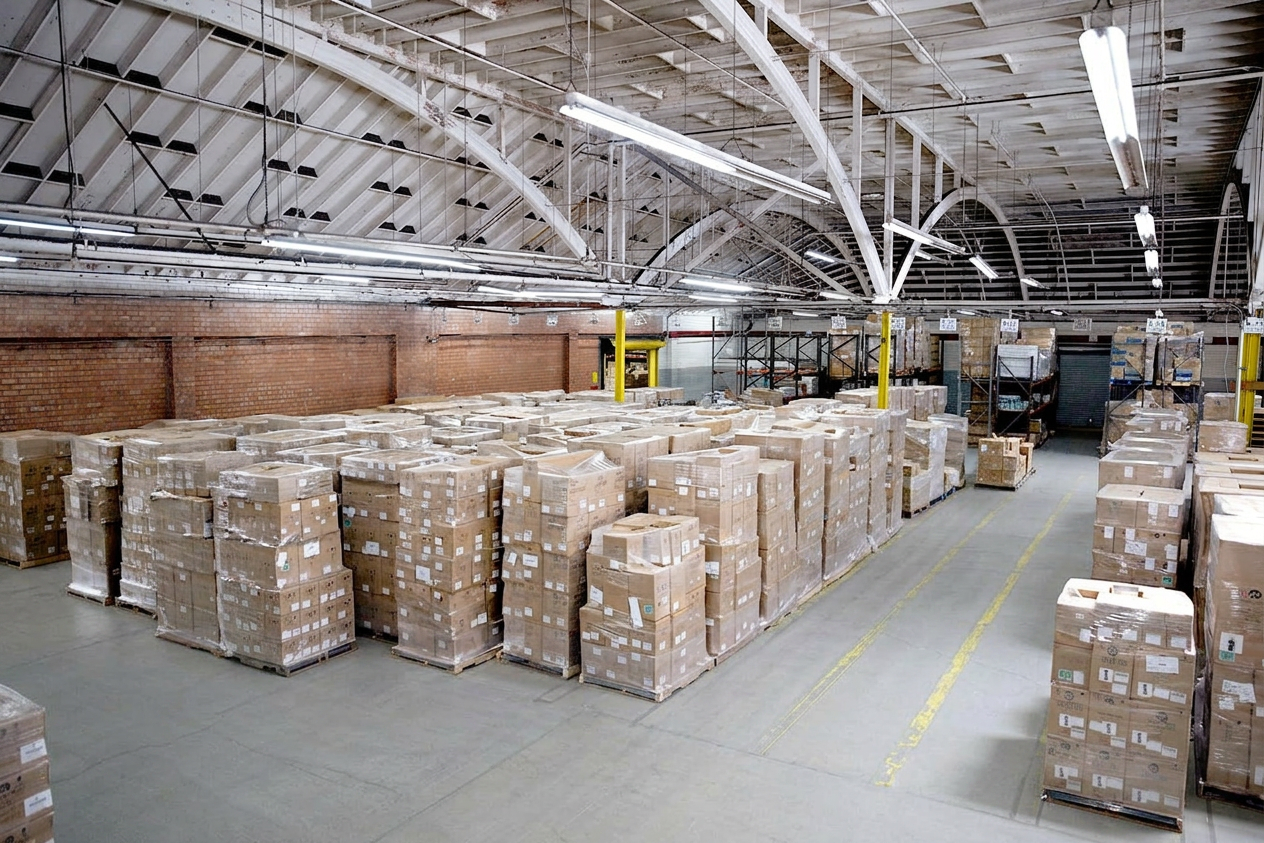
Return rates vary enormously by category — apparel runs far higher than consumables — so the benchmark to manage is not the rate itself but the cycle time. How long from return receipt to inspection, disposition, and resale-eligible restock? Every day that a returnable unit sits unprocessed is a day of carried inventory that cannot be sold. A tight returns loop converts what looks like pure loss into recovered revenue.
Inventory Accuracy and Cycle Counting
System-to-physical inventory accuracy should sit at 99.5% or better, maintained by continuous cycle counting rather than a disruptive annual physical. Inventory inaccuracy is the hidden cause of oversells, cancelled orders, and the safety stock brands carry to compensate for a data problem rather than a demand problem.
Peak Season Elasticity
The metric nobody tracks until it breaks: can the operation absorb three to five times normal volume in Q4 without accuracy or cycle time degrading? Ask any prospective 3PL for their peak-versus-baseline accuracy and on-time-ship numbers, not their averages. Averages hide exactly the period that determines your year.
What to Ask a 3PL
Bring these to any evaluation: verified order accuracy rate and how it is measured; same-day shipping cutoff time; standard dock-to-stock hours; inventory accuracy and cycle count frequency; peak-season performance versus baseline; returns processing turnaround; and the full cost stack rather than a single blended per-order number.
Logix Fulfillment operates a 214,000 sq ft owner-operated warehouse in Vernon, CA with barcode-verified picking, Extensiv WMS, same-day shipping on qualifying orders, and 21 loading docks roughly 30 minutes from the Ports of LA and Long Beach. Request a quote and we will benchmark your current operation line by line.