The DTC vs. Amazon FBA debate has dominated e-commerce strategy conversations for years. On one side: Amazon FBA's massive marketplace reach, Prime shipping speeds, and hands-off fulfillment. On the other: DTC's customer data ownership, branding control, and higher margins. The truth? In 2026, the most successful brands aren't choosing one or the other — they're building hybrid strategies that leverage the strengths of both channels. Here's how to think about each and build your optimal fulfillment mix.
Understanding DTC Fulfillment
Direct-to-consumer fulfillment means selling through your own website (Shopify, WooCommerce, BigCommerce, etc.) and fulfilling orders through a 3PL like Logix Fulfillment or your own warehouse. Orders go directly from your brand to your customer, with full control over the experience. The key advantages: **Customer data ownership** — you own every email, purchase history data point, and behavioral insight. **Brand experience control** — custom packaging, inserts, branded unboxing experiences. **Higher margins** — no marketplace referral fees (Amazon charges 8-15%). **Customer relationships** — you build lifetime value, not Amazon.
Understanding Amazon FBA
Fulfillment by Amazon means sending your inventory to Amazon's warehouses, where they store, pick, pack, and ship orders on your behalf. Customers buy on Amazon.com and receive Prime-eligible delivery. The advantages: **Prime access** — over 200 million Prime members worldwide with 1-2 day shipping expectations. **Marketplace traffic** — Amazon is the #1 product search engine, ahead of Google for purchase-intent queries. **Trust factor** — Amazon's A-to-Z guarantee reduces purchase friction. **Hands-off fulfillment** — Amazon handles all logistics once inventory arrives at their FC.
Cost Comparison: DTC via 3PL vs Amazon FBA
DTC via 3PL (per order, using a [Los Angeles 3PL](/fulfillment-center-los-angeles)): You pay for pick-and-pack, shipping, and storage as line items, plus your sales platform fees (Shopify, etc.) and payment processing — but no marketplace referral fees. **Amazon FBA (per order)
The Data Ownership Divide
This is the single biggest strategic difference. With DTC, you own the customer relationship: name, email, phone, purchase history, browsing behavior. You can remarket, build loyalty programs, launch email sequences, and create lifetime customers. With FBA, Amazon owns the customer. You get a ship-to name and that's it. You can't email buyers, can't retarget them, and can't build a customer list. For brands building long-term value, this data ownership gap is worth millions.
Brand Experience: DTC Wins
DTC fulfillment through a 3PL in LA gives you complete control over the unboxing experience. Custom branded boxes, tissue paper in your brand colors, personalized thank-you cards, product samples, and promotional inserts all build brand affinity and drive repeat purchases. Amazon FBA ships in generic brown Amazon boxes — your brand is invisible at the moment of greatest customer excitement (receiving the package). For beauty brands, apparel brands, and premium products, this difference directly impacts customer perception and willingness to pay premium prices.
Speed & Convenience: FBA Wins
Amazon Prime's 1-2 day shipping is the gold standard for speed, and it's 'free' for Prime members (included in their membership). Matching this via DTC requires strategic warehouse placement and same-day shipping operations. From a Vernon, CA warehouse, Logix delivers 1-day ground to all of California and 2-3 day ground to most of the Western US — competitive with Prime for West Coast customers. But for nationwide 1-2 day delivery, FBA's multi-node network is hard to beat without multiple warehouse locations.
The Hybrid Strategy: Best of Both Worlds
The smartest brands in 2026 run both channels simultaneously: **Amazon FBA for discovery and acquisition** — use Amazon's marketplace traffic to acquire customers who don't know your brand yet. Capture the Prime shopper who's comparison shopping. **DTC for retention and margins** — convert Amazon customers to your DTC site through package inserts (carefully — Amazon has rules), social media, and brand building. DTC orders give you higher margins and customer data. **The ratio:** Most brands start 70% Amazon / 30% DTC and gradually shift toward 50/50 or even DTC-dominant as brand awareness grows.
Fulfillment Infrastructure for a Hybrid Model
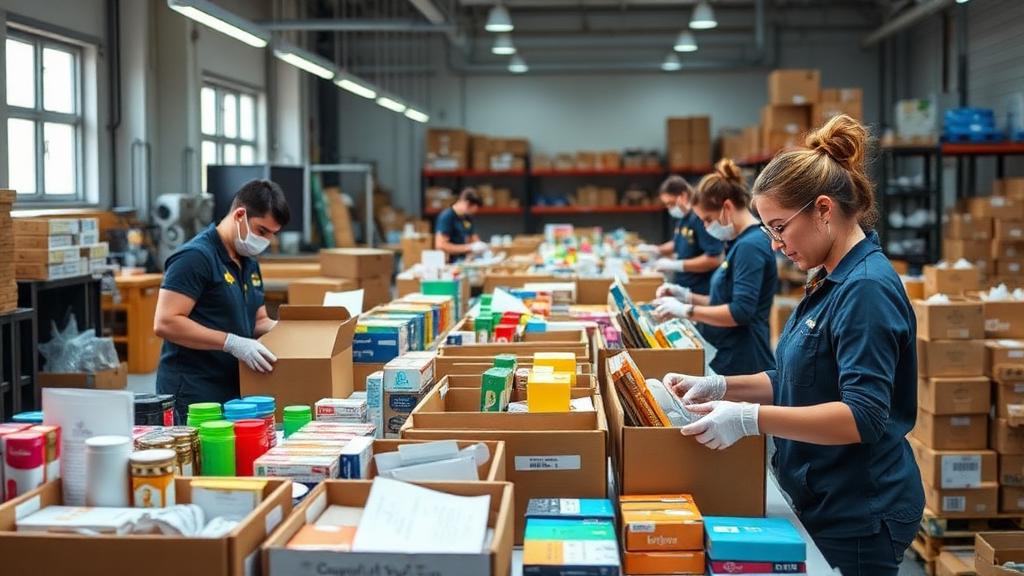
Running both channels from a single 3PL partner simplifies everything. At Logix Fulfillment, we manage: **DTC fulfillment** — pick-and-pack with custom branded packaging, shipping via USPS/UPS/FedEx. **Amazon FBA prep** — FNSKU labeling, poly bagging, inspection, and shipment to Amazon FCs. **Merchant Fulfilled on Amazon** — orders from your Amazon Seller account fulfilled by Logix (useful for oversized items, new ASINs, or during FBA stockouts). One inventory pool, one warehouse partner, zero coordination headaches.
When to Go All-In on DTC
Consider DTC-only (or DTC-primary) when: your brand has strong recognition and organic traffic, your product has high margins (50%+), customer lifetime value is your primary metric, you can afford to invest in customer acquisition, and your product benefits from a premium unboxing experience. Brands like Glossier, Allbirds, and Away built billion-dollar businesses DTC-first.
When Amazon FBA Is Essential
FBA should be primary when: your category is highly competitive and discovery-driven, your product is a commodity where Prime shipping is the tiebreaker, you're a new brand with limited marketing budget (Amazon's traffic is 'free'), or your product is in a category where Amazon dominates (electronics, home goods, supplements). Use FBA to build sales velocity and reviews, then gradually build your DTC channel alongside.
Making the Switch or Building Both
Whether you're launching on Amazon, transitioning to DTC, or building a hybrid model, the right fulfillment partner makes the difference. Logix Fulfillment handles DTC ecommerce fulfillment, FBA prep, and Merchant Fulfilled orders from our Vernon, CA warehouse — 30 minutes from the Port of Long Beach. One partner, all channels, complete flexibility. Get a free quote and let's build your hybrid fulfillment strategy.