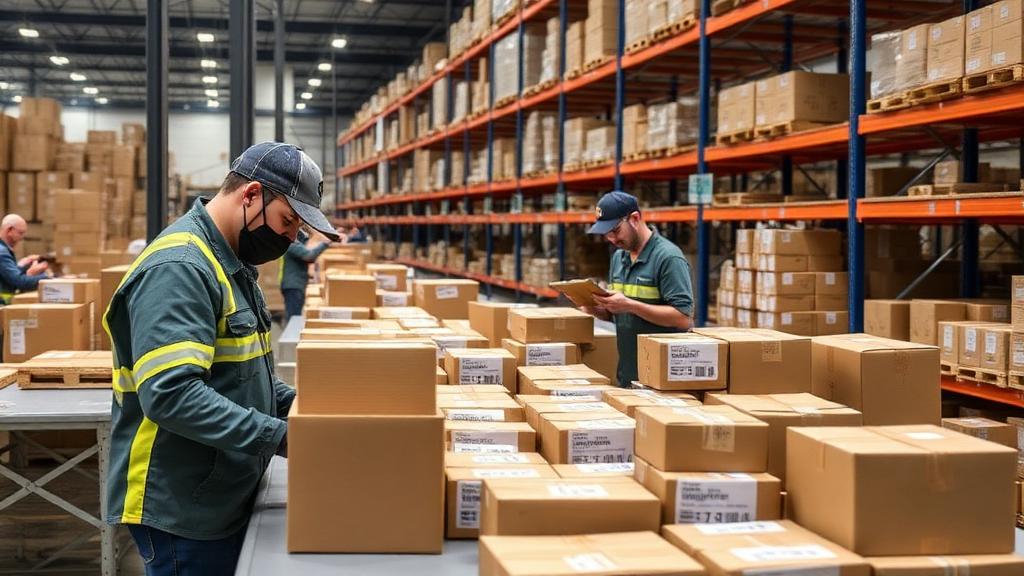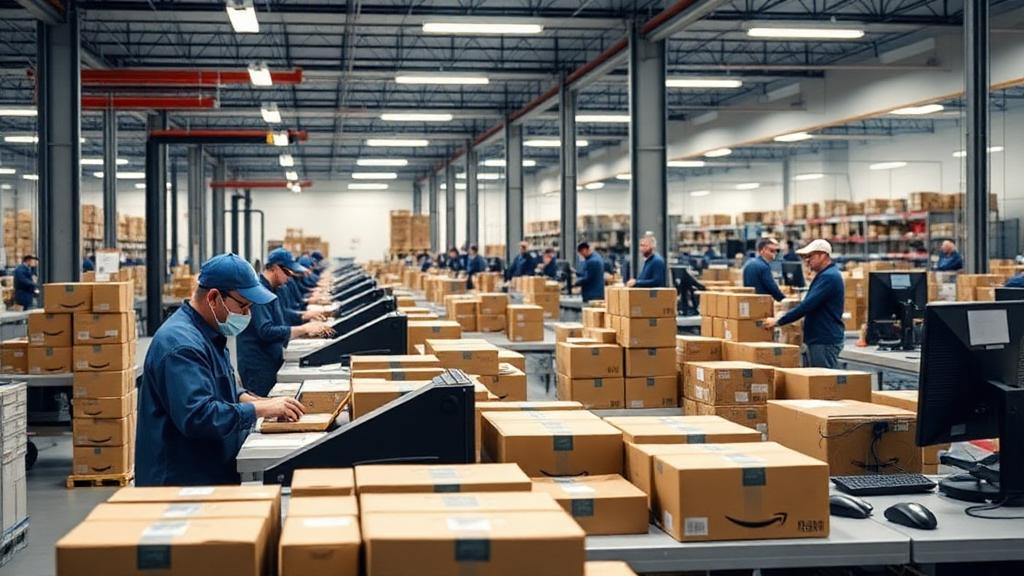
Amazon's fulfillment economics have shifted from a single simple fee schedule to a layered system that rewards sellers who send well-prepped, well-forecasted, well-distributed inventory and penalizes everyone else. Sellers who treat FBA as a place to dump product are absorbing fees that a disciplined prep and inbound strategy would avoid.
Inbound Placement: Split Shipments or Pay
Amazon's inbound placement structure charges sellers who send inventory to a single fulfillment center rather than distributing it across the network. Splitting shipments across multiple FCs reduces or eliminates the placement fee but multiplies the operational work: multiple shipment plans, multiple carrier bookings, multiple sets of labels, multiple tracking and reconciliation cycles.
This is the single clearest place where a prep partner changes the math. Executing a four-way split from a Los Angeles warehouse that is already close to the LA-basin FCs turns a fee-avoidance strategy into routine operations instead of a weekly fire drill.
Capacity Limits and IPI
Storage capacity is allocated rather than unlimited, driven by sell-through, in-stock rate, and excess inventory performance. Two consequences follow:
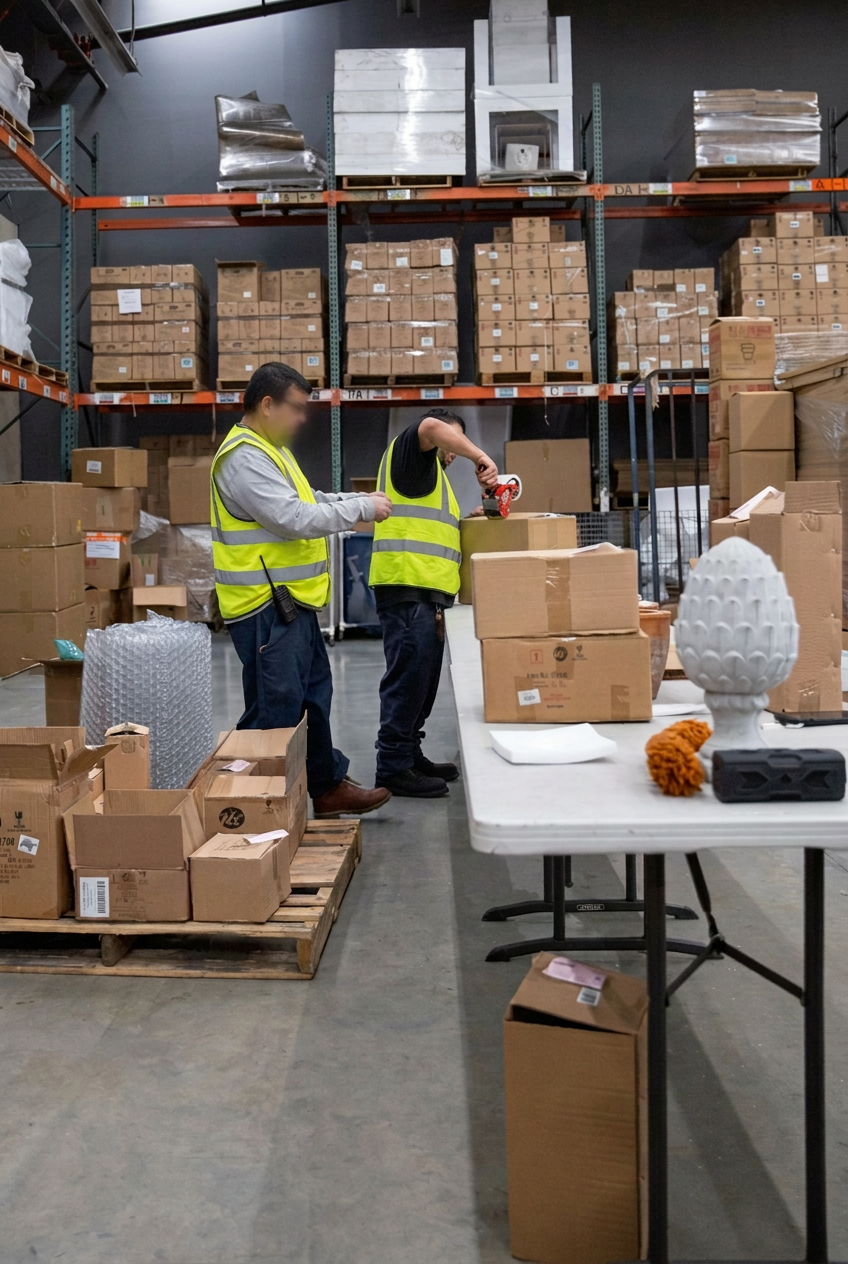
**You need a buffer location.** Holding all your inventory inside FBA means capacity limits directly cap your sales. Holding reserve inventory at a 3PL and replenishing FBA on a cadence keeps you in stock without burning allocation.
**Aged inventory is expensive twice.** It accrues long-term storage surcharges and consumes capacity you would rather use for fast movers. Pulling slow SKUs back to a 3PL for storage, and fulfilling them merchant-fulfilled, is often cheaper than leaving them in the network.
Low-Inventory-Level Fees Cut the Other Way
Amazon also penalizes sellers who chronically run thin cover on fast-moving SKUs. The result is a narrow operating band: too much inventory triggers storage and capacity penalties, too little triggers low-inventory fees. Hitting that band consistently requires replenishment from a nearby buffer rather than from a factory eight weeks away — which is exactly what a Los Angeles 3PL positioned near the ports provides.
Prep and Labeling Requirements Keep Tightening
Non-compliance is where sellers lose money invisibly. The recurring failures are consistent:
- Missing or unscannable FNSKU labels
- Suffocation warnings absent on poly-bagged items
- Sets and bundles not labeled as single sellable units
- Liquids and powders without required double-sealing
- Case-pack quantities that do not match the shipment plan
- Expiration dating formatted incorrectly on consumables
Each of these can trigger unplanned-service fees, receiving delays, or in the worst case a stranded shipment. A prep center that has done the work at volume prevents them structurally instead of catching them after the fact.
Seller Fulfilled Prime and Multi-Channel Reality
Sellers who want Prime badging without full FBA dependence continue to evaluate Seller Fulfilled Prime, which requires meeting strict on-time shipment and delivery-speed standards. From a Los Angeles warehouse, West Coast delivery-speed requirements are achievable on ground service, which makes SFP more viable from Southern California than from most inland locations.
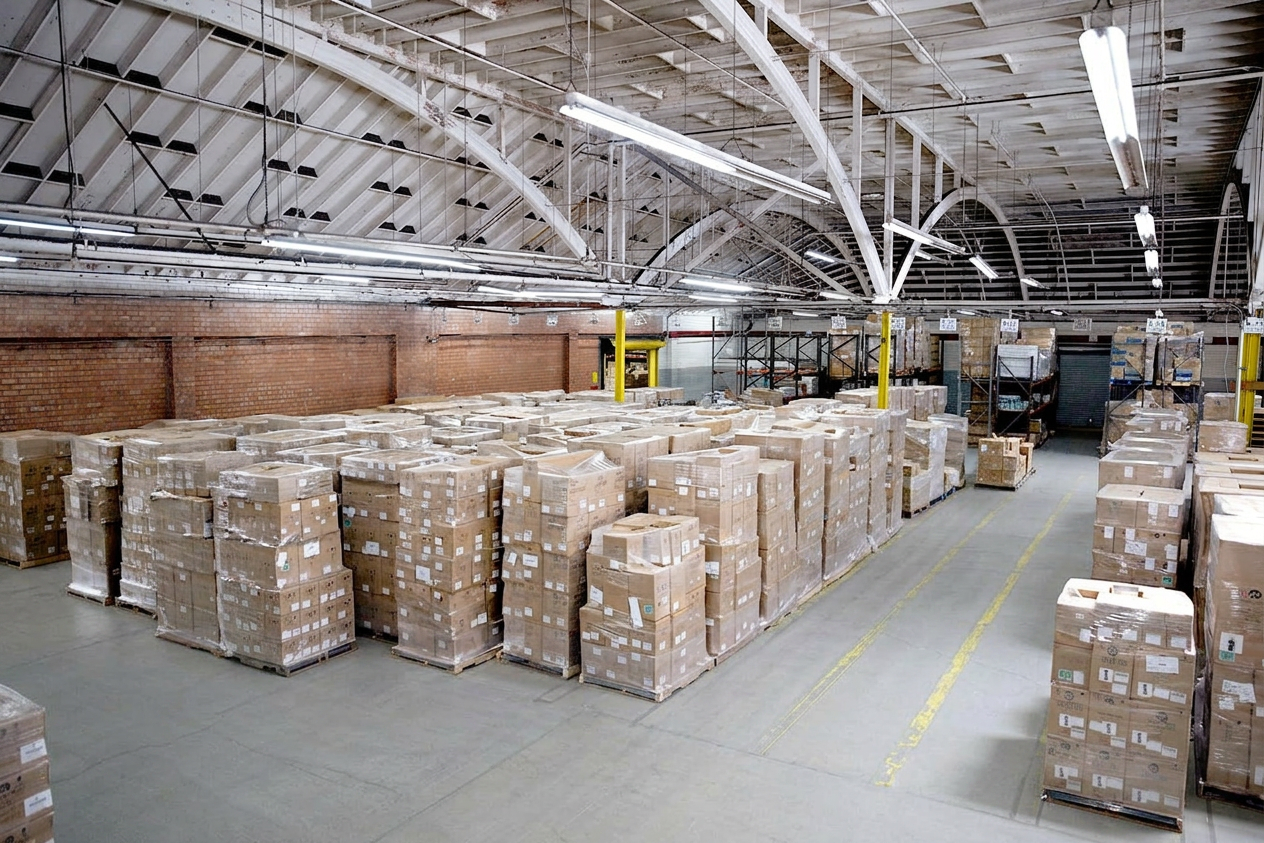
The broader trend is multi-channel consolidation: one inventory pool at a 3PL feeding FBA, Seller Fulfilled Prime, Shopify DTC, Walmart WFS, and retail wholesale — rather than separate stranded pools per channel.
When a Prep Center Pays for Itself
Run the comparison honestly. Add up placement fees you are currently paying, unplanned-service and non-compliance fees, long-term storage surcharges, capacity-limited lost sales, and the hours your team spends building shipment plans. Compare that against per-unit prep pricing plus transfer drayage from a warehouse 20–35 minutes from the LA-basin FCs. For most sellers moving meaningful volume through FBA, the comparison is not close.
Logix Fulfillment provides full Amazon FBA prep in Los Angeles — FNSKU labeling, poly bagging, bundling, case-pack compliance, shipment plan creation, and multi-FC split shipments — from our owner-operated Vernon, CA warehouse. Request a quote.